Festival Renaissance Reshapes Metal's Strategic Partnerships as New York Hardcore Veterans Join Nationwide Circuit
The metal festival landscape is experiencing a profound transformation in 2026, with New York hardcore legends finding themselves at the epicenter of a nationwide festival renaissance that's redefining how veteran acts approach career strategy. Madball's recent album announcement coincides with their expanded festival presence, while hardcore stalwarts like Merauder appear on major lineups alongside genre-spanning acts that demonstrate the evolving nature of festival programming.
Festival Programming Goes Cross-Genre
Milwaukee Metalfest 2026's lineup reveals the strategic thinking behind modern festival curation. The combination of death metal veterans Obituary with crossover pioneers Suicidal Tendencies, alongside technical newcomers and established names like Ministry, creates programming that acknowledges metal's diverse audience rather than forcing artificial genre boundaries. This approach validates the New York metal scene's long-standing embrace of stylistic diversity, from the groove metal innovations of bands like Crisis King to the stoner metal explorations emerging from regional acts.
The Sound & Fury festival's reunion-heavy approach tells a different story entirely. By featuring The Rival Mob's first performance since 2016 alongside Carry On's continuation of their surprise reunion, promoters are banking on nostalgia-driven attendance while creating opportunities for bands to test reunion waters. This strategy particularly benefits New York hardcore acts who built their reputations during the genre's foundational years and can now command festival fees while gauging audience interest for more extensive touring commitments.
Power Trip's Studio Time Signals Broader Trend
Power Trip's recent studio activity, followed by their 2026 Infest Festival announcement, exemplifies how contemporary metal acts are approaching album cycles. Rather than the traditional record-tour-repeat pattern, bands are strategically timing studio work around festival commitments, allowing them to debut new material in high-energy environments while building anticipation for releases. This approach creates multiple revenue streams and marketing opportunities that weren't available during metal's earlier eras.
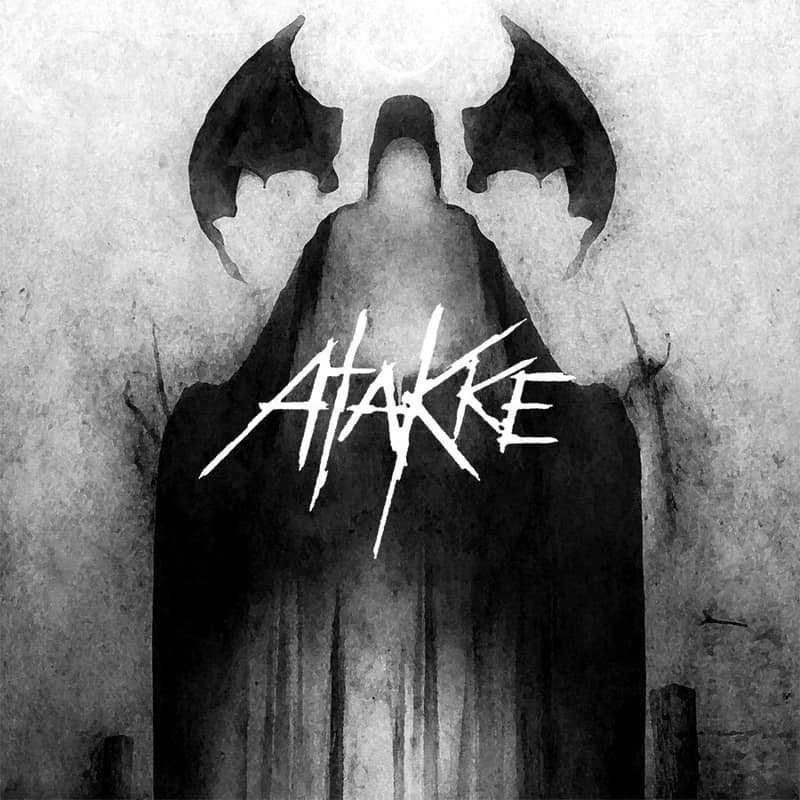
The crossover thrash revival exemplified by Power Trip's approach resonates particularly well with New York's metal heritage. The state's contributions to crossover thrash through acts like Cro-Mags established templates that contemporary bands continue referencing. Regional acts in the crossover space, including Atakke and Elefantkiller, benefit from this renewed interest as festival programmers seek authentic representations of the style rather than manufactured nostalgia acts.
Electronic Crossovers Challenge Metal Orthodoxy
Lords of Acid's recruitment of former Butcher Babies vocalist Carla Harvey for their latest single "Dream Boy" represents a fascinating intersection of electronic dance music and metal that challenges traditional genre boundaries. The song's description as "a dark trip through the streets of Necropolis" suggests conceptual ambitions that align with metal's storytelling traditions while maintaining electronic music's production aesthetics.
This crossover approach reflects broader changes in how metal artists approach collaboration and genre experimentation. Rather than viewing electronic elements as compromise or commercialization, contemporary artists treat them as legitimate creative tools. New York's diverse music ecosystem provides ideal conditions for such experimentation, with electronic music venues and metal clubs often sharing audiences and even physical spaces in urban environments.
Studio Philosophy Divides Generate Creative Tension
Pro-Pain's return with "Stone Cold Anger" after more than a decade demonstrates how extended recording hiatuses can actually benefit veteran acts. Founding frontman Gary Meskil's reported retention of "fire, fury and unerring ability to write" suggests that time away from constant recording pressure allowed for creative regeneration rather than stagnation. This challenges industry assumptions about the need for regular album cycles to maintain relevance.
The contrast between Pro-Pain's extended break and Periphery's consistent output schedule reveals competing philosophies about creative sustainability. Periphery's inclusion in weekly track roundups and new release cycles demonstrates the benefits of regular audience engagement, while Pro-Pain's approach suggests that strategic absence can create anticipation and allow for more substantial creative evolution.
These different approaches provide templates for New York metal acts at various career stages. Established bands can consider extended creative periods without fearing career death, while newer acts can build audiences through consistent output and festival appearances. The sludge metal and stoner metal scenes, well-represented in New York through acts like Snaggletooth and Grass, particularly benefit from understanding these timing strategies.
Regional Acts Navigate National Opportunities
The expansion of festival circuits creates unprecedented opportunities for regional metal acts to reach national audiences without traditional record label support or extensive touring infrastructure. New York's geographic position provides access to both Northeast corridor venues and Midwest festival circuits, allowing bands to build recognition across multiple regional scenes.
Madball's evolution from NYHC pioneers to international festival headliners demonstrates the potential for regional acts to achieve sustained careers through strategic festival participation. Their upcoming album "Not Your Kingdom" arrives at a moment when hardcore and metal audiences are actively seeking authentic representatives of foundational genres rather than contemporary interpretations or revival acts.
The doom and sludge metal explosion creates additional opportunities for New York acts operating in heavier territories. Festivals like Rain City Doom Fest provide specialized platforms for bands exploring slower, heavier approaches, validating creative directions that might not fit traditional metal festival programming. Regional acts like Fane and Eyes Of The Sun benefit from this specialized festival growth.
Future Implications for Scene Development
The festival renaissance's emphasis on cross-genre programming and reunion shows suggests that promoters are moving beyond simple headliner-driven models toward curated experiences that reflect metal's actual diversity. This approach validates regional scenes that never fit neatly into marketing categories, providing opportunities for acts that combine influences or operate between established genres.
New York's metal scene, with its historical embrace of hardcore crossover, death metal technicality, and doom experimentation, stands particularly well-positioned for this programming evolution. Acts that previously struggled to find appropriate booking now have multiple festival contexts where their hybrid approaches make sense rather than creating marketing challenges.
The strategic timing of album releases around festival commitments also suggests that independent metal acts can achieve significant exposure without traditional industry infrastructure. Bands that understand festival programming cycles and time their creative output accordingly can maximize impact while maintaining creative control over their material and career trajectories.
As these trends continue developing through 2026, New York metal acts should consider how festival participation fits their broader career strategies. The current environment rewards authenticity and creative risk-taking over calculated commercial appeal, providing advantages for acts willing to develop distinctive sounds rather than following established templates. The festival renaissance ultimately validates metal's diversity while creating sustainable career paths for artists committed to long-term creative development.