Suffocation's Internal Warfare Explodes as Genghis Tron Rebuilds with Supergroup Lineup for Signal Fire Album
The New York death metal scene finds itself at a crossroads this week as two of its most influential acts face dramatically different trajectories. While Long Island's technical death metal pioneers Suffocation publicly implode amid accusations of toxicity and substance abuse, experimental cybergrind innovators Genghis Tron emerge stronger than ever with a revitalized lineup featuring members from underground darlings The Armed and Sumac.
Suffocation's Public Meltdown Exposes Death Metal's Dark Side
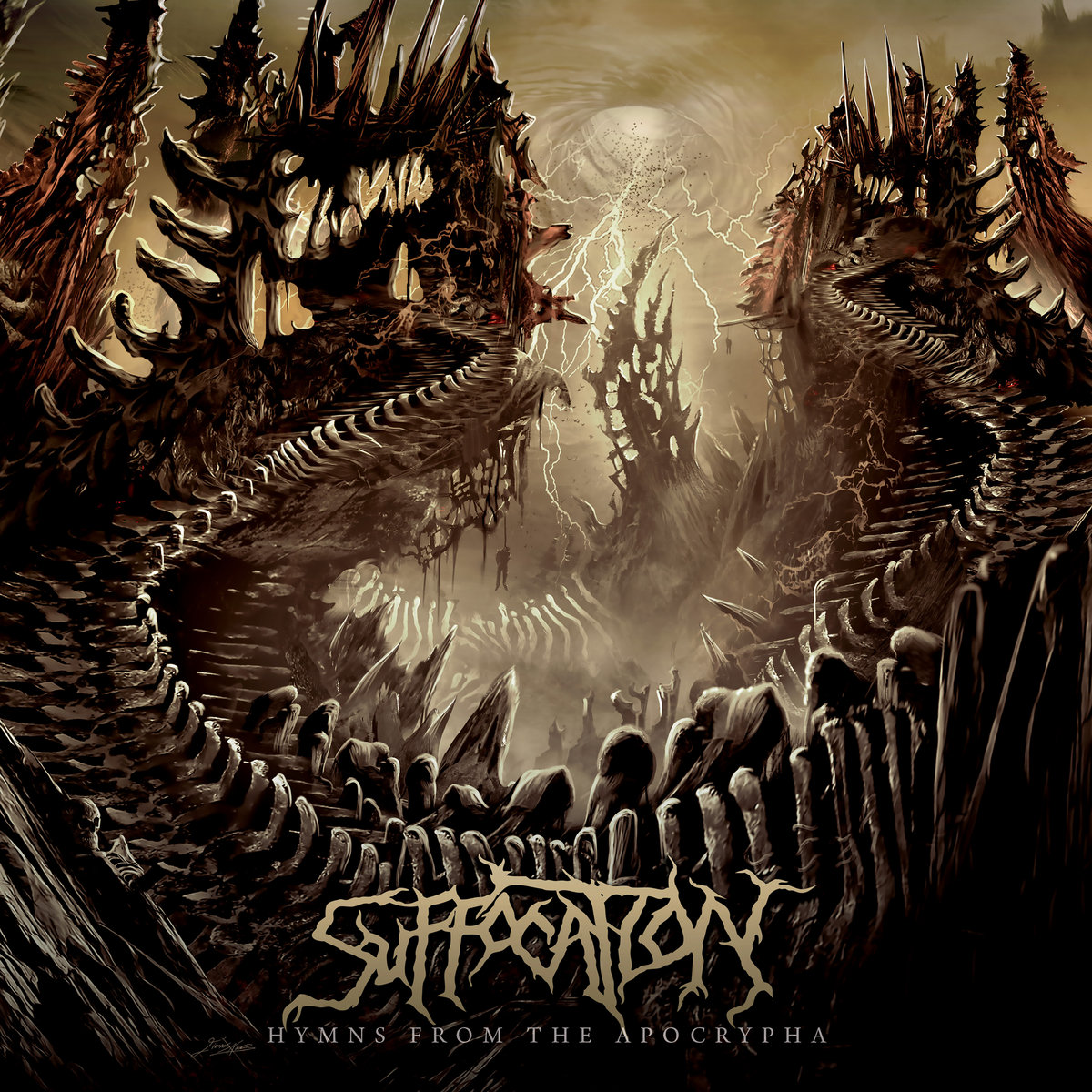
The drama surrounding Suffocation has reached a fever pitch that would make even the most brutal death metal lyrics seem tame by comparison. Former drummer Eric Morotti's explosive departure has torn the veil off what many consider one of the best death metal bands of all time, revealing a cesspool of interpersonal toxicity that threatens to destroy a three-decade legacy.
Morotti's public accusations paint a disturbing picture of band dynamics gone wrong, calling his former bandmates "toxic, abusive drug addicts" in a social media post that sent shockwaves through the metal community. The band's swift retaliation, claiming they actually fired him rather than accepted his resignation, only adds fuel to an already raging fire that's consuming one of the New York metal scene's most respected acts.
What makes this situation particularly tragic is the timing. Suffocation had secured spots on major touring packages, including the upcoming Dimmu Borgir North American run alongside Hypocrisy and rising black metal act Hulder, plus a European triple co-headlining tour with Despised Icon and Carnifex. These high-profile bookings represent the kind of opportunities that veteran metal bands touring 2026 are fighting tooth and nail to secure in an increasingly competitive landscape.
For the broader death metal community, Suffocation's internal warfare serves as a cautionary tale about the pressures facing veteran acts. The band's 1991 album "Effigy of the Forgotten" remains a cornerstone of technical death metal, influencing countless bands including New York's own Incantation and brutal death metal acts like Course of Extinction. When pioneers of this magnitude self-destruct so publicly, it reverberates through the entire underground ecosystem.
Genghis Tron's Phoenix Rising: Signal Fire Album Marks New Chapter
In stark contrast to Suffocation's implosion, Genghis Tron's announcement of their fourth studio album "Signal Fire" represents everything positive about metal's ability to reinvent itself. Set for release on June 12, the album showcases a completely rebuilt lineup that reads like a who's who of underground metal excellence.
The addition of members from The Armed and Sumac transforms Genghis Tron from a nostalgic curiosity into one of 2026's most anticipated new metal bands. The Armed's chaotic hardcore sensibilities combined with Sumac's crushing post-metal dynamics promise to push Genghis Tron's already boundary-defying sound into uncharted territory.
This collaboration model represents a growing trend among progressive-minded metal acts who refuse to be confined by traditional genre boundaries. Unlike the personality conflicts that destroyed Suffocation's chemistry, Genghis Tron's approach suggests that ego can be set aside in service of creative exploration. Their cybergrind foundation provides the perfect launching pad for incorporating elements that could appeal to fans of everything from 80s metal bands to cutting-edge electronic music.
The timing of Signal Fire's announcement also demonstrates shrewd industry awareness. With major festivals and touring packages finalizing their 2026 lineups, Genghis Tron positions themselves perfectly to capitalize on metal's current fascination with genre-blending acts that can appeal to diverse audiences.
New York's Metal Identity Crisis and Creative Renaissance
These parallel storylines illuminate the fundamental tensions facing New York's metal community in 2026. On one hand, veteran acts like Suffocation struggle with the weight of their own legacies, often buckling under pressures that have nothing to do with music. On the other, forward-thinking projects like the revitalized Genghis Tron demonstrate that creative reinvention remains possible for those willing to embrace change.
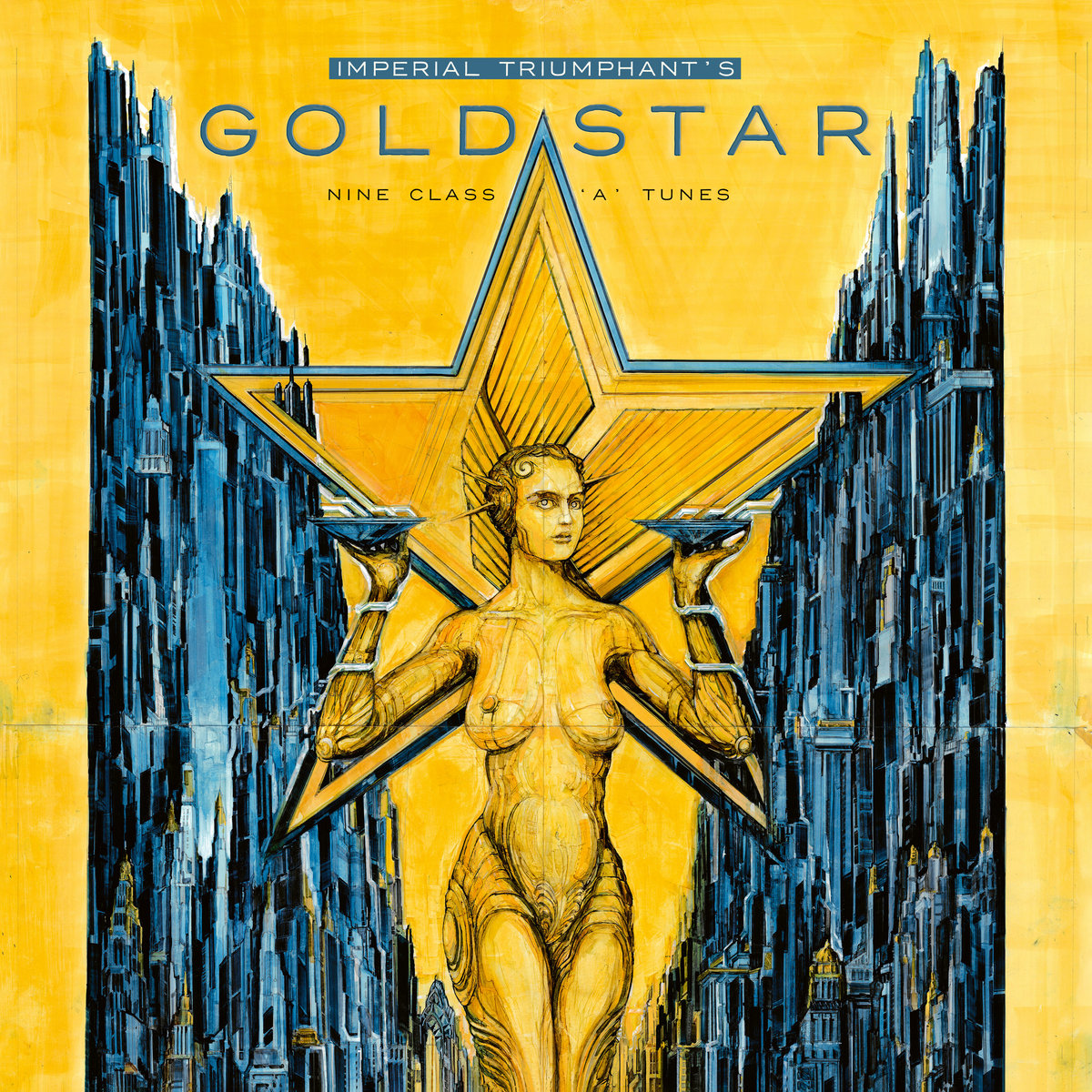
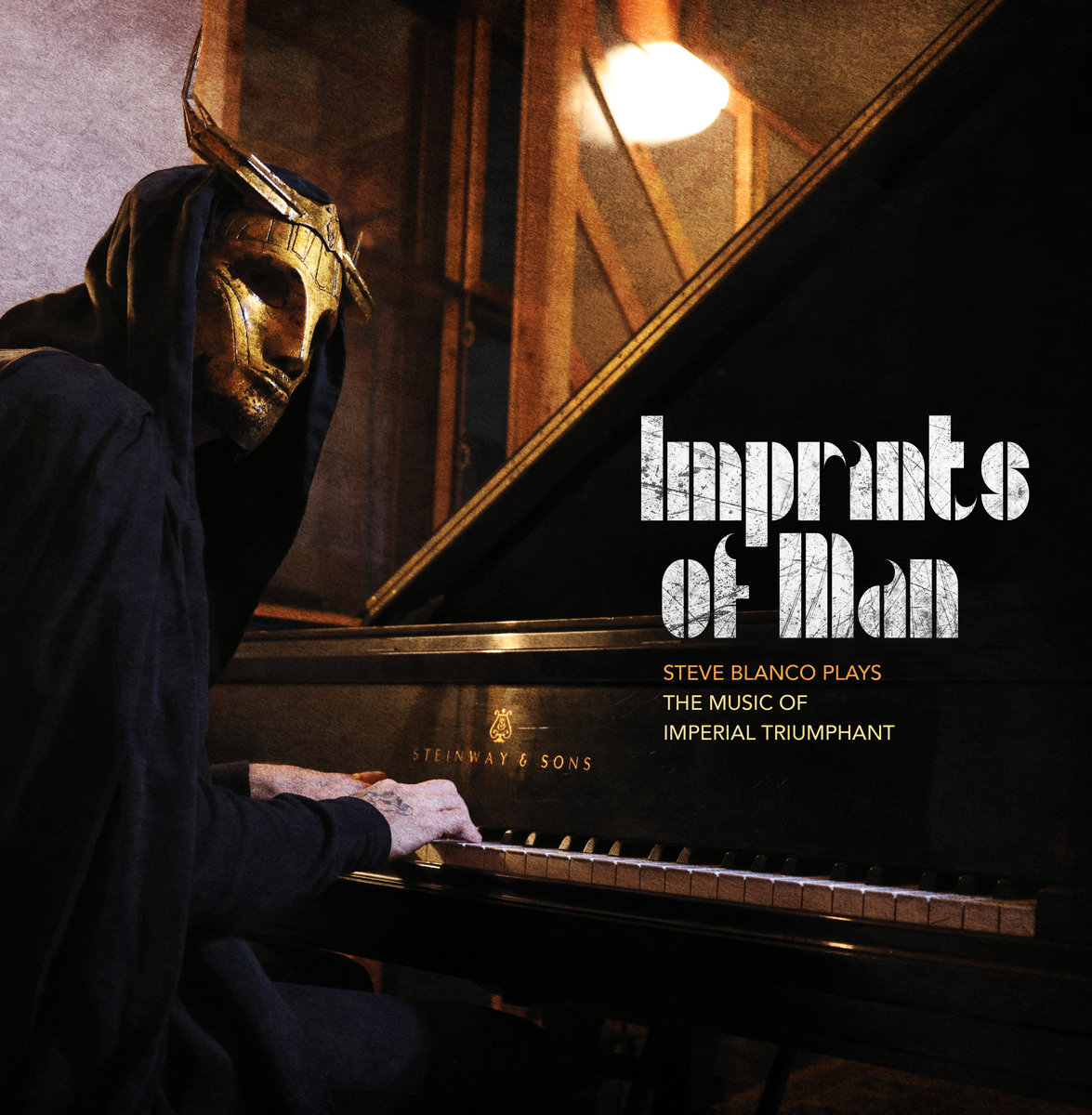
The contrast becomes even sharper when considering the broader context of what's happening across the Empire State's metal landscape. While Suffocation tears itself apart, black metal innovators like Imperial Triumphant continue pushing avant-garde boundaries, and thrash metal stalwarts Anthrax maintain their legendary status through consistent touring and recording.
For emerging death metal acts in the region, these developments create both opportunities and cautionary examples. Bands like Serpentine Path, who blend death and doom elements, can study Genghis Tron's collaborative approach while avoiding the interpersonal pitfalls that destroyed Suffocation's chemistry.
The Touring Circuit's Brutal Economics
Perhaps the most tragic aspect of Suffocation's meltdown involves the massive touring opportunities now hanging in the balance. The European triple co-headlining package with Despised Icon and Carnifex represents exactly the kind of high-level booking that separates professional metal acts from weekend warriors. These tours require months of advance planning, substantial financial investment, and the kind of international industry relationships that take decades to develop.
Suffocation's participation in the Dimmu Borgir North American tour alongside Norwegian black metal veterans and underground sensation Hulder would have provided crucial exposure to audiences who might not typically gravitate toward technical death metal. Cross-pollination between subgenres remains essential for veteran acts seeking to expand their fanbase beyond aging core supporters.
The economics of metal touring in 2026 leave little room for the kind of drama currently consuming Suffocation. Promoters invest heavily in established names precisely because they represent reliability and professionalism. When legendary acts implode so spectacularly, it creates ripple effects that impact everything from venue bookings to festival slot availability.
Looking Forward: Lessons from Chaos and Collaboration
As the dust settles on this week's revelations, the New York metal community finds itself grappling with fundamental questions about longevity, creativity, and professional conduct. Suffocation's self-destruction serves as a stark reminder that technical excellence and historical importance mean nothing without basic human decency and professional behavior.
Conversely, Genghis Tron's successful reinvention demonstrates that metal's most exciting developments often come from unexpected collaborations and willingness to transcend traditional boundaries. Their Signal Fire album represents the kind of creative risk-taking that keeps metal vital and relevant in an increasingly crowded entertainment landscape.
For fans seeking upcoming shows or discovering new music, these parallel narratives offer important context about metal's current state. The best artists continue pushing forward while maintaining the respect and professionalism necessary for long-term success, while those who lose sight of these fundamentals risk destroying everything they've built.
As 2026 unfolds, the New York metal scene will undoubtedly produce more surprises, collaborations, and unfortunately, more implosions. The key lies in learning from both the successes and failures, ensuring that metal's incredible creative potential isn't squandered by the very human flaws that occasionally consume even its most celebrated practitioners.