Prong Books 2027 Europe, Satriani Talks Niche Audiences, and Why New York's Experimental Underground Should Be Paying Attention
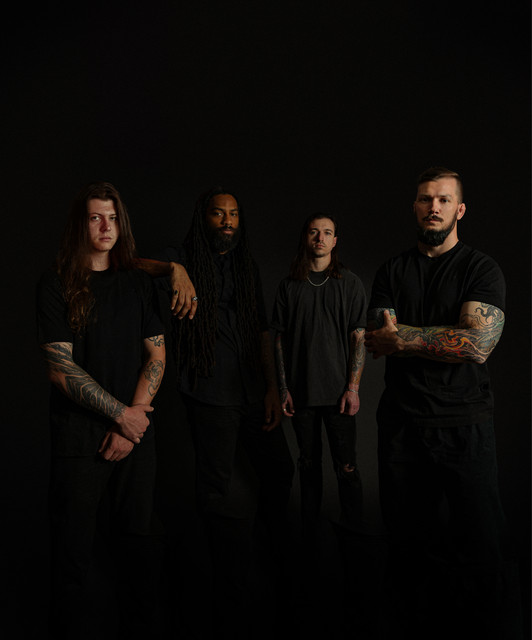
New York alternative metal has never needed permission to go global, and Tommy Victor's Prong just proved it again. The band that helped define the crossover between industrial grind and groove-laden thrash back in the Lower East Side scene of the late '80s has announced a Spring/Summer 2027 European tour, supporting their self-titled album released November 6 via Napalm Records. "It's been a long time coming," the band said in its announcement, and for a group that's been road-testing new material and reasserting its relevance for over three decades, that statement lands with some weight. It's a reminder that New York's metal exports don't fade quietly — they keep booking flights.
That kind of staying power is worth sitting with this week, because the rest of the national metal conversation is circling around durability, burnout, and what it actually means to be "in a band" long-term. New York's scene — from the DIY basements of Buffalo to the warehouse shows scattered across Brooklyn — runs on exactly that same tension, and this week's headlines offer a useful mirror.
Chris Garza's Exit and the Cost of the Road
Suicide Silence co-founder Chris Garza officially stepped away from the deathcore veterans this past weekend, announcing his departure via Instagram immediately following a tour stop in Pittsburgh — close enough to New York's southern border that the news rippled through regional deathcore circles fast. Garza described the decision as "a gut feeling for years," one made final after his mother's death mid-tour. His exact words: "The book closes with a sad ending."
There's no sugarcoating a story like that, and it's worth resisting the urge to turn it into a tidy lesson. But it does underline something New York's deathcore and heavier acts know intimately — the difference between a band as a creative outlet and a band as an unsustainable grind. Acts working the same dense, technical corners of the genre, like New York deathcore band A Wake in Providence, exist in scenes that run almost entirely on unglamorous van tours and thin margins. Garza's departure isn't really a New York story, but it's a metal-touring story, and New York bands live that reality every weekend.
Satriani's Instrumental Math and New York's Experimental Blind Spot
Joe Satriani, in a new interview with Spain's Stairway To Rock, dropped a line that instrumental and progressive musicians have quietly understood for decades: "The more technical you get, the smaller and more concentrated your audience is gonna be." He was talking about his SATCHVAI project with Steve Vai and their record "The Sea Of Emotion, Pt. 1," but the observation applies directly to a corner of New York's scene that doesn't get nearly enough ink.
"The more technical you get, the smaller and more concentrated your audience is gonna be." — Joe Satriani
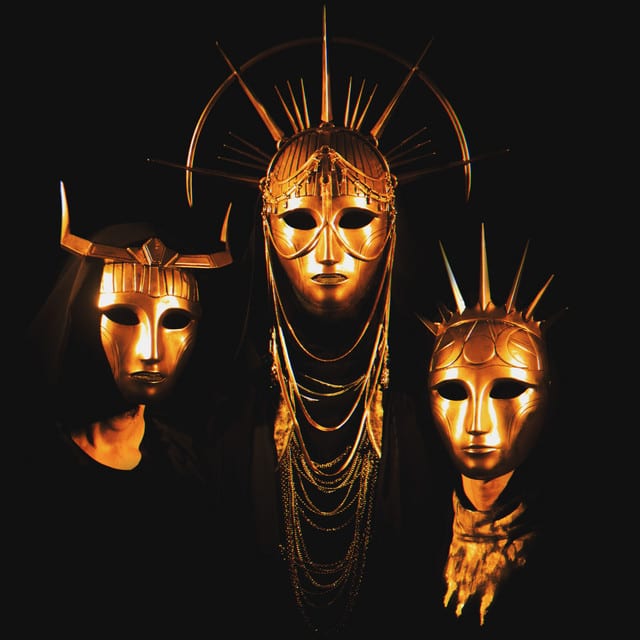
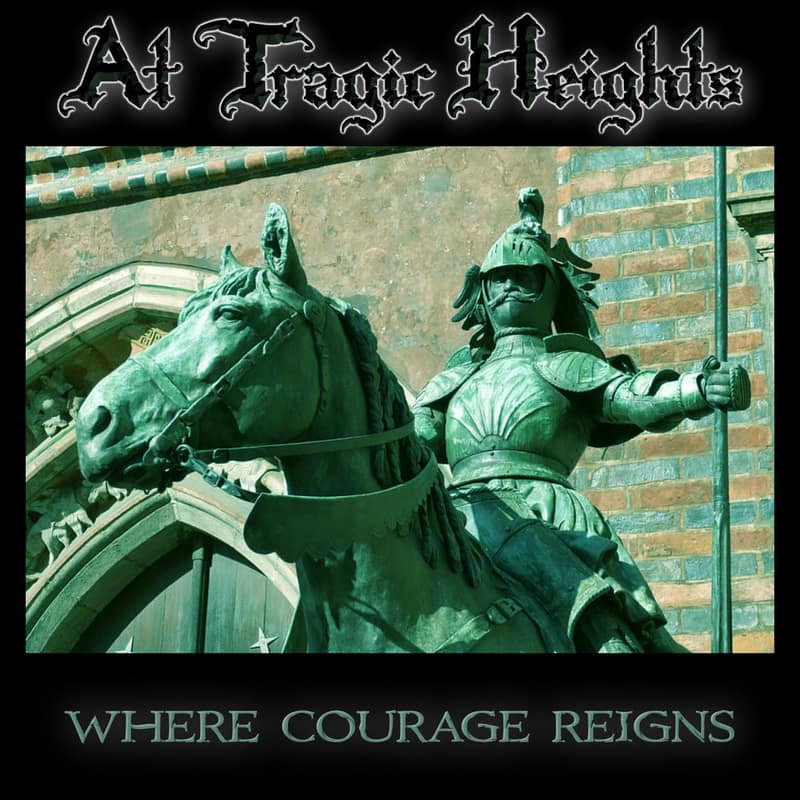
New York has quietly built one of the more interesting experimental metal ecosystems in the country, and it rarely gets framed that way. New York avant-garde metal band Imperial Triumphant has spent years fusing black metal structures with jazz dissonance and art-deco theatrics, drawing a smaller but fiercely loyal following exactly as Satriani describes. The genre-scrambling grindcore/jazz project Painkiller did this kind of boundary-smashing decades before "avant-garde metal" was a tag anyone used. And New York progressive metal act Tragic Heights is carrying that same appetite for complexity into a newer generation of players. Add cybergrind oddballs like Genghis Tron into that mix and you've got a legitimate regional identity forming around difficult, rewarding music — it's just never been covered as a scene unto itself. Given that Satriani's niche-audience theory keeps proving true album after album, maybe it's time New York's experimental underground got treated less like a curiosity and more like what it is: a real lane, running parallel to the state's better-known death metal and hardcore circuits.
Sevendust's "Supporters" Comment and New York's DIY Instinct
Sevendust drummer Morgan Rose, discussing his Atlanta band's unlikely late-career resurgence, pushed back on the word "fans" entirely, telling The Smashing Skull Sessions podcast that it feels "a little belittling" to describe the people who sustain the band that way. "Supporters" was his preferred term — people who buy tickets, merch, and albums specifically to keep a band alive, not passive consumers.
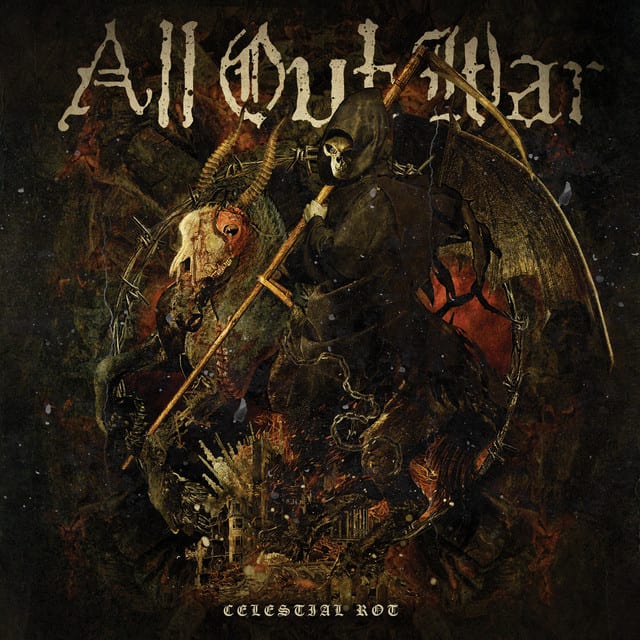
It's a small semantic shift, but it's the exact philosophy New York's underground has operated on forever, often without the vocabulary to name it. Hardcore-adjacent crossover acts like All Out War and Sworn Enemy didn't build careers off algorithmic playlist placement — they built them off rooms full of people who showed up specifically because they wanted that band, that night, to keep existing. That's the entire economic model of New York's weeknight show circuit, and it's worth remembering the next time someone asks why a band plays a half-empty VFW hall in February instead of waiting for a festival slot. Check upcoming shows around the state and you'll see that same supporter-driven logic playing out constantly — small rooms, loyal crowds, bands building something sustainable one Tuesday at a time.
Matt Heafy's Bullying Story and an Old Wound in Metal Culture
Trivium's Matt Heafy also made news this week, recalling on the Rock Feed podcast how some of his own childhood heroes treated his band with open hostility when Trivium broke through in the mid-2000s. It's an uncomfortable but familiar story in metal — gatekeeping dressed up as "paying dues," aimed at young bands who hadn't done anything wrong except arrive too fast and too talented.
New York's scene has its own long memory of that dynamic, going back to the hardcore-metal crossover wars of the late '80s and early '90s, when turf lines between genres were drawn hard and defended harder. The scene has mostly outgrown that instinct, at least publicly, and it's worth saying so. If there's a new thrash, death, or NWOTHM band in Buffalo or Albany reading this wondering whether the established acts will make room — the honest answer is that New York's current scene is more open than it's been in decades. If you're one of those bands, submit your band and get in front of people actually looking for what's next.
Rage Against the Machine's Christmas Win and New York's Punk Roots
Elsewhere, a genuinely fun story: two UK fans rallied over half a million buyers to push Rage Against the Machine's "Killing In The Name" to the UK Christmas Number One spot, dethroning Simon Cowell's manufactured chart dominance in the process. It's a fifteen-year-old campaign with real staying power, and it's a useful reminder that politically charged, anti-establishment rock still has teeth when enough people organize around it.
That spirit runs straight through New York's punk underground, a scene that gets criminally underwritten in most metal coverage despite being foundational to everything heavier that came after it. Street-punk veterans like The Casualties, newer regional acts like Wave Generators, and hardcore punk outfits like Old Ghosts all carry that same organized-defiance DNA. Tom Morello, who built his career on exactly that kind of politically pointed riffing, remains one of New York's most recognizable rock exports, and his continued relevance says something about how long these ideas stay useful.
The Bigger Picture Heading Into 2026
None of this week's news is explosive on its own. But stack Prong's European booking, Sevendust's supporter philosophy, Satriani's niche-audience math, and Garza's hard exit from Suicide Silence together, and a pattern emerges: metal in 2026 is being sustained by the people willing to show up repeatedly, not by viral moments. That's always been New York's advantage. Whether it's death metal, NWOTHM, raw black metal, or the harder-to-categorize experimental acts finally getting their due, the state's strength has always been depth over spectacle — a scene of supporters, not just fans, still building something worth touring back to.