New York Hardcore Loses a Voice, Gains a Monument: Lou Koller, L'Amour, and the Scene That Won't Stay Buried
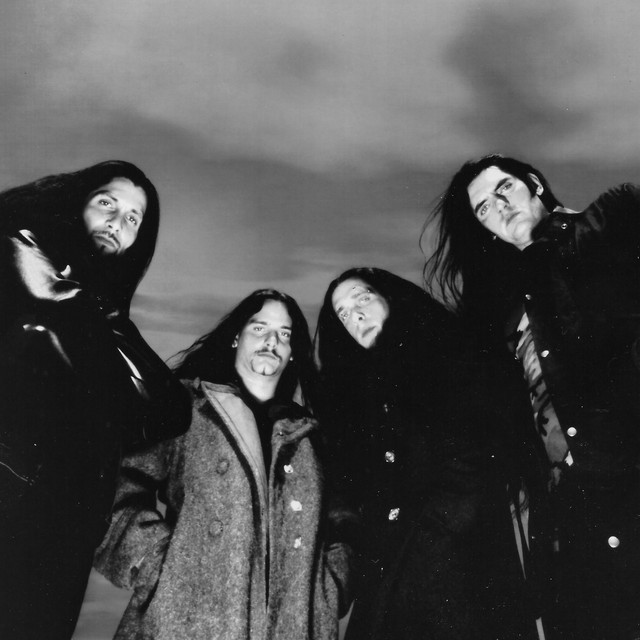
There's a particular kind of grief that hits different when it's tangled up with legacy. This week that grief has a name: Lou Koller, the voice of Sick Of It All for four decades, who passed in July after a long fight with an esophageal tumor. He was 59. The news is still settling into the bones of a scene that Koller helped build brick by brick out of Bay Ridge basements and CBGB matinees, and this week bassist Craig Setari broke a measure of silence on what comes next for one of New York hardcore's foundational bands.
Craig Setari Faces the Hardest Question in NYHC
Speaking with "Reckless" Rexx Ruger of Pod Scum, Setari addressed the question every fan has been afraid to ask out loud: does Sick Of It All have a future without Lou Koller fronting it? Setari didn't pretend to have a clean answer, and honestly, why would he. You don't replace a guy who co-founded the band with his brother Pete in 1986 and spent the better part of forty years embodying what New York hardcore sounds like when it's angry, righteous, and still somehow danceable. Setari's measured response — that the band will simply "have to just see what happens" — isn't a dodge. It's the only honest thing you can say when the center of gravity in your band is suddenly gone.
What makes this moment land so hard in New York specifically is that Sick Of It All never left. While plenty of their CBGB-era peers scattered, broke up, or became nostalgia acts playing the hits once a decade, SOIA kept grinding — kept playing fests, kept putting out records, kept representing the five boroughs on international stages. Koller's death isn't just the loss of a singer. It's the loss of a guy who was still actively doing the work of keeping NYHC's reputation intact in 2025. Whatever Setari and the rest of the band decide, the scene owes them the patience to figure it out on their own timeline.
L'Amour Gets Its Documentary — And New York Gets a Mirror
In a strange and fitting bit of timing, this same stretch of news brought word that filmmaker Drew Stone — a name practically synonymous with documenting NYHC's history on film — is deep into production on L'Amour: The Rock Capitol Of Brooklyn, a feature-length documentary about the legendary Brooklyn venue, set for release in 2028. Stone describes L'Amour as something that went far beyond being just a club, and anyone who came up in the New York scene between the late '70s and the venue's decline in the '90s knows exactly what he means.
L'Amour was more than a venue — it was a proving ground where New York's heaviest bands earned their stripes in front of crowds that didn't forgive mediocrity.
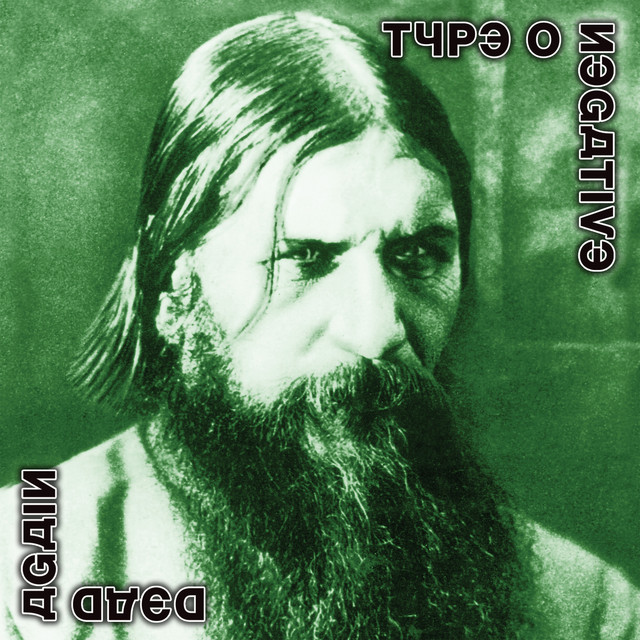
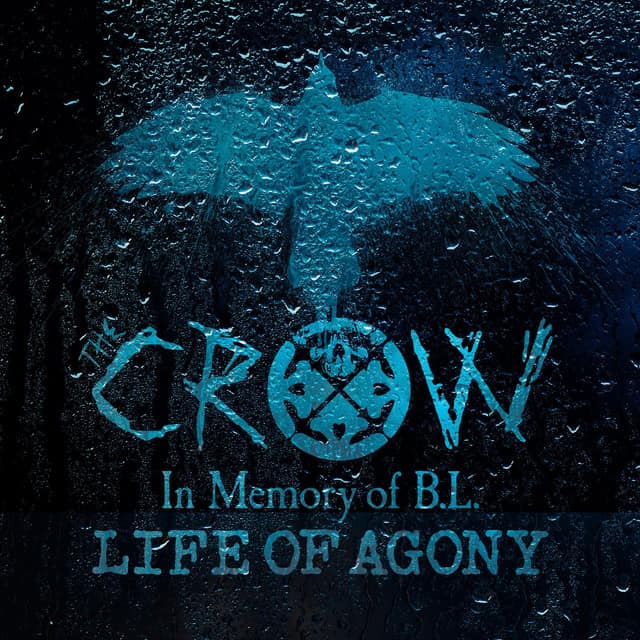
This matters enormously for a regional scene that sometimes feels like it's fighting to remember its own history. L'Amour is the room where Brooklyn's doom and gothic metal lineage took shape right alongside the hardcore kids — the venue's DNA runs through bands like Type O Negative, whose gloom-soaked, Brooklyn-bred sound is inseparable from that era of New York metal, and Life Of Agony, whose crossover of groove, metal, and hardcore grit couldn't have come from anywhere but this exact city at this exact moment in time. A documentary like this isn't just nostalgia bait — it's an archival project for a scene that has historically been terrible at archiving itself. If Drew Stone pulls this off right, it becomes essential viewing for anyone trying to understand why New York still produces bands that sound like nowhere else.

TÝR Routes Through NYC on a 2027 North American Run
On the touring front, Faroese folk metal outfit TÝR announced a full North American trek for March and April of 2027, kicking off in Boston on March 10 and closing in New York City on April 11, with support from Dynazty, Dominum, and Edge Of Paradise. It's a long runway before the band actually hits the stage, sure, but it's also a reminder of something worth saying plainly: New York remains a closing-night city. Tours don't just pass through here — they build toward here. Whether that's about market size, the density of metal bands touring in 2026 and beyond routing through the Northeast, or simply the symbolic weight of ending a run in the city that's produced so much of metal's foundational sound, NYC keeps landing the anchor dates.
For fans keeping track of what's actually playable in the near term rather than two years out, the upcoming shows page is the better bet — but it's worth noting these long-lead announcements for a reason. They tell you which cities the international metal circuit still considers essential stops, and New York isn't losing that status anytime soon.
GTA VI's Metal Radio Station and the Question of Who Gets Remembered
Elsewhere in the news cycle, word broke that the in-game metal radio station for the long-awaited Grand Theft Auto VI is loaded — thrash giants, prog juggernauts, and nu-metal royalty all getting folded into the soundtrack of a game that will be played by tens of millions of people who may never have set foot in a metal club in their lives. It's easy to roll your eyes at this kind of thing, but it's actually a pretty significant cultural moment for the genre. A GTA radio station functions as a genre's public face for an entire console generation — ask anyone who discovered classic rock through GTA: San Andreas or learned what gangsta rap actually sounded like from GTA V. When a game that massive decides metal deserves real estate on its airwaves, it's a quiet vindication of everything regional scenes like ours have been building for decades.
It's also a reminder that New York's fingerprints are all over the broader metal and heavy music lineage that gets canonized in moments like this. Nu-metal royalty didn't happen without New York's own contributions to that sound — bands like Dope helped define the industrial-tinged, aggressive end of that late-'90s/early-2000s explosion, and it's exactly the kind of regional pedigree that gets overlooked when people talk about "the best metal bands" or "the best metal albums of all time" without digging into where those sounds actually incubated. New York doesn't just consume metal history. It manufactures it.
A Scene Looking Backward to Keep Moving Forward
There's a thread running through all of this week's news that's hard to ignore: Lou Koller's passing, Drew Stone's L'Amour documentary, even TÝR's long-lead tour routing — they're all, in different ways, about legacy. About who gets remembered, how, and by whom. New York's metal and hardcore scene has never lacked for talent or ferocity; what it's lacked, historically, is the infrastructure to properly document itself while it's happening. Projects like Stone's documentary start to fix that. So does the simple, stubborn fact that bands like Sick Of It All kept showing up for forty years instead of cashing in their legacy early.
If you're in a New York metal, hardcore, or heavy rock band and you want to be part of the next chapter of this story instead of just reading about the last one, there's no better time to get on the radar. Submit your band and make sure your name is part of the record the next time somebody decides to make a documentary about what New York's scene actually sounded like in 2025 and beyond. Lou Koller spent his whole life making sure this city's hardcore scene had a voice. The least the rest of us can do is keep making noise worth remembering.