Prong's Tommy Victor Goes Nuclear on 'New Commission' as New York's Alt-Metal Elders Prove They're Still the Standard

Forty years into a career built on distrust of trends, Prong frontman Tommy Victor is still writing riffs like he's got something to prove. That's the only way to describe "New Commission," the latest single pulled from the band's upcoming self-titled album, due November 6 via Napalm Records. Built on machine-gun kick drums, discordant riffage, and Victor's signature venomous bark, the track is a reminder that New York's alternative metal lineage didn't just happen — it was engineered, piece by piece, by bands too restless to sit still in one genre.
Prong has spent four decades resisting easy categorization, and that refusal is exactly why so many bands across thrash, groove, and industrial metal owe them a debt whether they admit it or not. A self-titled record this deep into a discography is a statement in itself — it says this is still who we are, no qualifiers needed. For a state that likes to claim ownership of thrash's East Coast backbone, Prong's continued relevance is a point of pride. They never needed nostalgia tours to stay credible; they just kept writing songs that sound like a serrated blade dragged across concrete.
Hatebreed's New Record Lands as the Northeast Hardcore Corridor Flexes Again
A few states over but very much in New York's orbit, Hatebreed dropped the video for "Decisions Become Destinies" ahead of their new album's Friday release — their first full-length in six years. Connecticut and New York hardcore have always been close cousins, sharing stages, scenes, and a shared disdain for anything soft. Hatebreed's return matters locally because it reinforces something New York's metalcore and crossover acts already know: the Northeast hardcore corridor isn't a relic, it's a pipeline that's still producing bands willing to hit as hard as the originators.
It's worth noting how much of that lineage traces directly back to New York soil. Leeway, the crossover thrash and hardcore institution born out of the Lower East Side scene decades ago, helped define the sound that bands like Hatebreed eventually built careers on. If you're newer to the region's metalcore pipeline, check out acts like Strategic Offensive, who are carrying that same breakdown-heavy aggression into 2026 with their own brand of New York metalcore. The thread connecting a legacy act like Hatebreed to the local underground isn't subtle — it's the same code of conduct: no filler, no mercy, no apologies.

Rosetta Call It Quits — Sort Of — With One Last Record
Elsewhere in the heavier, more atmospheric corners of metal, post-metal outfit Rosetta shared "Self-Dealing Position," a preview of their upcoming final album Temporal Lapse. The band was careful to clarify they're not technically breaking up, with a member noting:
"This is the final album. We're not breaking up; there's always openness to doing interesting things together in the future."
That kind of ambiguous farewell is becoming something of a trend in heavier experimental circles, and it's a useful moment to talk about how thin the line has gotten between post-metal, post-black metal, and full-on experimental songwriting. New York's own scene has plenty of acts mining that same territory without ever getting the ink they deserve. Strega Nona continue to blur black metal and post-black metal textures into something genuinely unsettling, while Suaka occupy the experimental, genre-agnostic groove-metal lane that bands like Rosetta helped legitimize for heavier audiences. If Rosetta's farewell record does anything for the broader conversation, it's proving there's still an appetite for metal that trades blast-beats for atmosphere and still hits just as hard.
Zetra's Unmasking and the Ongoing Identity Crisis of Modern Black Metal
In a smaller but telling story, black metal act Zetra shed the corpse paint and cloaks for their new single "Adrena," signaling both an image overhaul and a sonic one. It's a move that always generates debate in black metal circles — is shedding the aesthetic trappings a betrayal of tradition, or just evidence that the genre has matured past needing a uniform to be taken seriously?
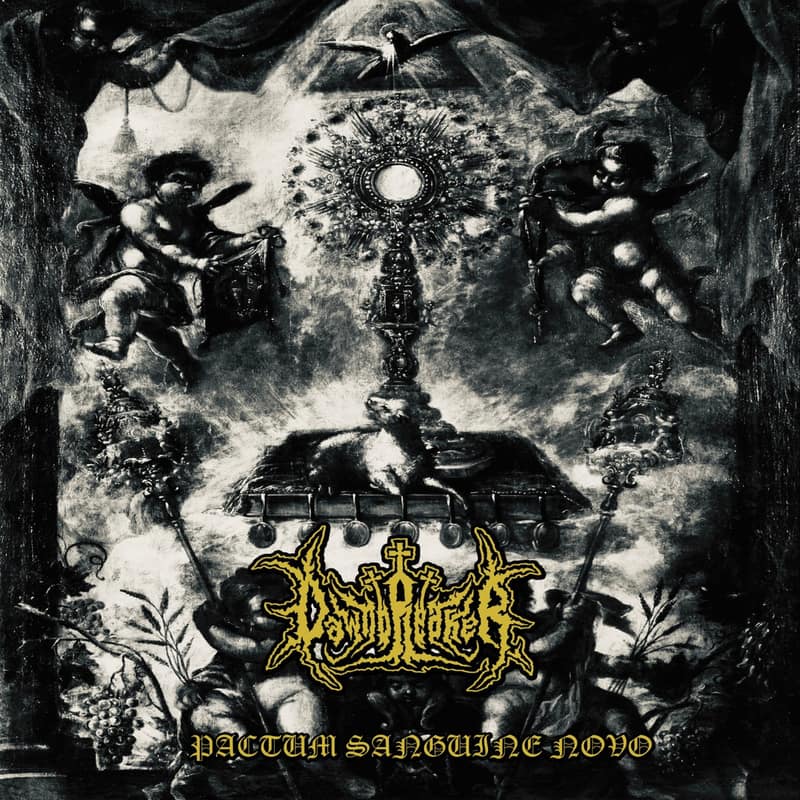
New York's black metal underground has never been shy about experimenting with image and sound simultaneously. Astral Altar and Dawnbreaker both demonstrate how the genre's symphonic and atmospheric edges can coexist with brutality, while raw black metal purists elsewhere in the state keep the corpse-paint tradition alive and well. It's a reminder that the best heavy metal songs — whether corpse-painted or bare-faced — still live and die by the riff, not the makeup.
The Business of Legacy: Scorpions, Children of Bodom, and the Sphere Residency Machine
On the archival and nostalgia front, it was a loaded week. The long-gestating Scorpions biopic Wind of Change finally locked in a North American theatrical release for March 2027 via Roadside Attractions, following a January European run. Meanwhile, Children of Bodom's camp announced Hate Crew — A Visual History, a 240-page book compiled by journalist Timo Isoaho chronicling the Finnish band's three-decade run, also dropping in 2027.
Add to that Metallica's latest pro-shot video from their Sphere residency — this time "Sad But True" from the October 15th show, part of their sprawling 24-date "Life Burns Faster" run — and you've got a snapshot of an industry increasingly obsessed with documenting its own history in real time rather than waiting for the inevitable 30-years-later retrospective. For a scene that spends plenty of energy arguing about the best metal albums of all time, it's worth remembering that the archiving happening right now is what future historians of New York's own scene will eventually be sifting through. Local bands take note: document everything.

Touring News and the Charity Circuit Keep Grinding
On the touring front, Sevendust and Caligula's Horse locked in a four-date Australian run for February, Katatonia announced a Spring 2027 European tour alongside Bonnie Trash, and We Came As Romans premiered "Dead Silent" featuring Make Them Suffer off their upcoming release. None of these are New York stories directly, but they're useful data points for anyone tracking how metal bands touring 2026 and beyond are structuring their calendars — international legs locked a year or more in advance, often stacked around festival season.
Closer to the charity side of things, the annual "Bowl For Ronnie" celebrity bowling party, benefiting the Ronnie James Dio Stand Up and Shout Cancer Fund and hosted by Eddie Trunk, has already sold out for its 2026 date in November. It's a small story in the grand scheme, but it's exactly the kind of community-first event that keeps the wider metal world tethered to something bigger than album cycles and tour routing. (hed) p.e.'s Jared Gomes also announced he'll undergo total knee replacement surgery this December, the lingering result of an old injury sustained guesting onstage with Soulfly — a reminder that even the toughest road dogs eventually pay the physical toll of decades on stage.
What It Means for New York
None of this week's headlines originated in New York, but that's almost beside the point — this state's fingerprints are all over the genealogy of nearly every story here. Prong's thrash pedigree, the hardcore lineage that runs through Hatebreed and back to Leeway, the post-metal and experimental ambitions echoed by Rosetta — it's all connected to the DNA New York helped write decades ago. The new metal bands 2026 is supposed to deliver will be built on exactly this foundation, whether they know it or not.
If you're part of that next wave — whether you're working in thrash, death metal, post-black metal, or something that doesn't have a clean genre tag yet — don't wait for a scene report to find you. Get your music in front of people who are actually paying attention. Check upcoming shows around the state this month, and if you're a band that hasn't been covered yet, submit your band for consideration. New York's underground has always run on word of mouth and stubborn persistence — the same qualities that kept Prong relevant for forty years in the first place.