Four Hours' Notice: How Anthrax's San Antonio Scramble Says Everything About New York Thrash's Staying Power
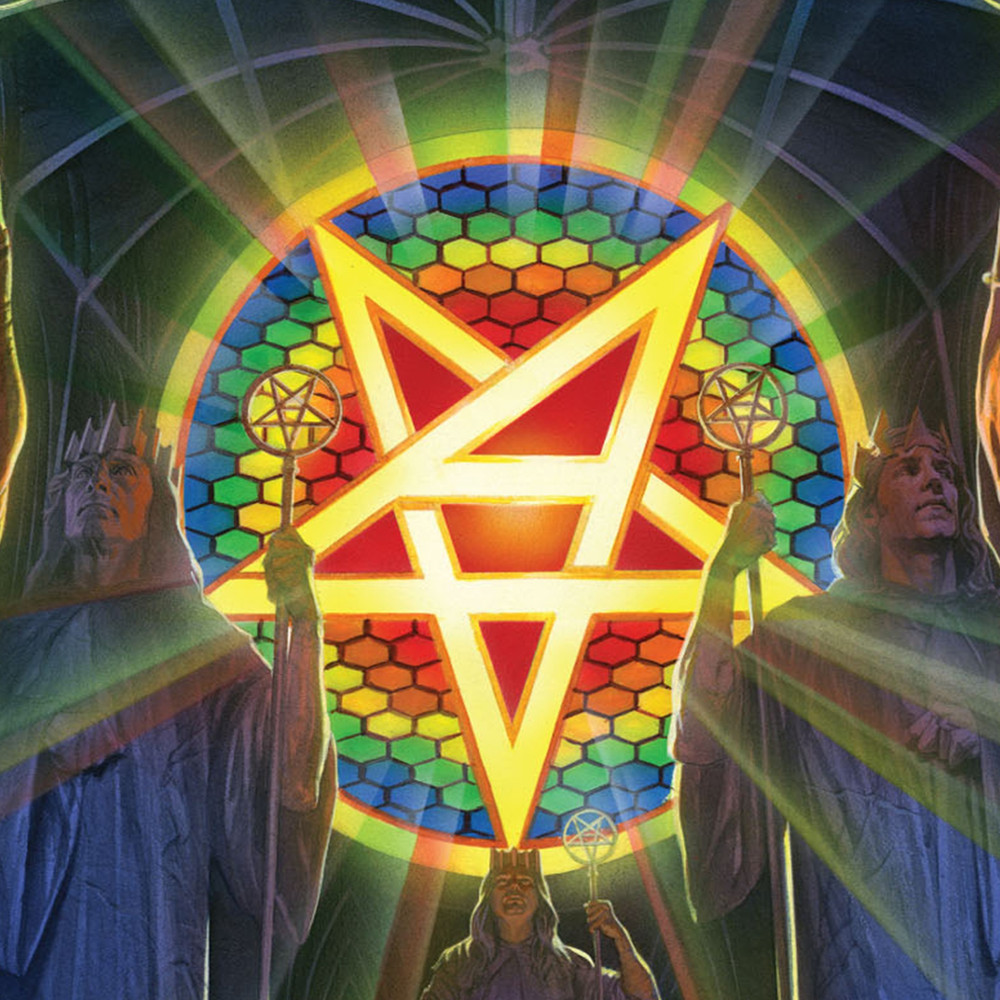
There's a particular kind of chaos that only happens on a big tour, the kind where a legendary band's entire night hinges on a phone call nobody saw coming. That's exactly what went down on September 29 when Anthrax, the Queens-born thrash institution that helped write the rulebook for aggressive music coming out of New York, found themselves without a drummer hours before stepping onstage at the Alamodome in San Antonio, opening for Iron Maiden and Megadeth in front of roughly 50,000 people. Charlie Benante, the man who's held down the kit for Anthrax since the early '80s, was unable to make the show, and the band needed a fill-in who could learn a set built on precision and muscle memory with essentially no runway.
Enter Mike Heller, the Raven and former Fear Factory drummer who happens to live in San Antonio. Heller got the call, had roughly four hours to prepare, and then walked out to play one of the biggest stages of his career in front of a stadium crowd that had no idea they were watching a guy who'd barely had time to eat dinner before showtime. In his own words afterward, Heller summed up the surreal nature of it all:
"Holy crap! How the HELL did I get here?!?!"It's the kind of line that could be printed on a t-shirt, and honestly, it probably should be. This wasn't Heller's first time stepping in for Anthrax in a pinch, but doing it on this scale, for this audience, is a different animal entirely.
There's something fitting about the whole scenario happening to a New York band. This state's metal scene has always run on a certain do-or-die resourcefulness — whether that's a drummer learning a career-defining set on a few hours' notice, or a death metal band grinding through decades of lineup shifts and label changes without ever losing the plot. Anthrax has been doing this since before most of today's touring bands were born, and the fact that they can still pull off a crisis like this without missing a beat says as much about the band's internal culture as it does about Heller's chops.
The Big Four, Revisited
Timing being what it is, this near-disaster in San Antonio comes just as a new book threatens to reframe how we talk about Anthrax's place in metal history. "Heavy Metal's Big Four: How Metallica, Anthrax, Slayer, And Megadeth Reshaped Metal" is due out in November, and it's going to dig into something that gets glossed over too often: thrash metal was not supposed to work. The book's framing — that the speed, aggression, and DIY grit of thrash ran completely against the grain of what rock radio and major labels wanted in the early '80s — is a reminder of just how unlikely Anthrax's five-decade run actually is.
New York's fingerprints are all over that unlikely success story. Anthrax didn't just ride the thrash wave coming out of the Bay Area; they built their own lane out of the tri-state hardcore and metal underground, bringing a groove and a sense of humor that separated them from their West Coast peers. That same regional DNA shows up decades later in bands like Demolition Hammer, whose brutal New York thrash-death hybrid carried the torch into the extreme end of the spectrum, and in acts like Afflicted, who've kept that thrash-meets-death metal lineage alive on the New York circuit. If you're wondering why "best metal bands" lists so often lean on New York thrash lineage, this is the receipt.
Retirement Talk, Denied
While all this was happening, Anthrax was also busy shutting down speculation about hanging it up. During a September 28 appearance on SiriusXM's "Trunk Nation With Eddie Trunk," the band addressed chatter that their new record, "Cursum Perficio" — their first full-length in a decade — might be a farewell statement. The band's response was blunt: if retirement were actually the plan, they'd play that card the way plenty of other legacy acts have. Instead, the message was that while "Cursum Perficio" could conceivably be their last album, that's not the same as calling it quits on the band or the stage.
That distinction matters, especially for a band whose entire identity is built around live energy. An act that can scramble a last-minute drummer replacement in front of 50,000 people and still deliver clearly isn't thinking about winding down. "Cursum Perficio" itself has been picking up some unlikely critical love, too — MetalSucks' recurring Disgruntled Dad Reviews column, not known for going soft on legacy-act comeback records, gave the album a notably positive write-up, suggesting Anthrax may have actually delivered a late-career winner rather than a victory-lap retread.
New York's Death Metal Backbone Keeps Grinding
Anthrax gets a lot of the regional spotlight because of their scale, but New York's extreme metal lineage runs just as deep, and Incantation remains the standard-bearer for that side of the state's legacy. While Incantation isn't the subject of a specific headline this week, their decades-long run as one of death metal's most uncompromising and influential bands deserves a mention any time we're talking about New York's contribution to heavy music history. Their cavernous, doom-soaked death metal sound has shaped generations of bands far beyond the state line, and their continued presence on the touring circuit is a reminder that New York's underground doesn't just produce legends — it keeps them active.
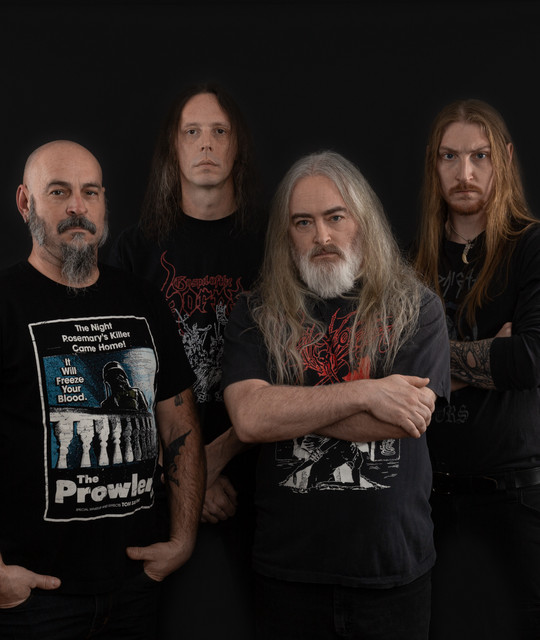
That underground ethos is exactly what newer acts in the state are building on. Whether it's the technical death metal grind of bands working the same circuit Incantation helped pave, or the current wave of death and black metal projects populating basements and DIY venues across upstate and the five boroughs, there's a clear continuity between the bands that built New York's reputation in the '80s and '90s and the ones trying to earn their own space now. If you're one of those bands and you haven't gotten on our radar yet, you can always submit your band for coverage.
A Scene That Still Shows Up
It's worth stepping back and appreciating what a week like this actually represents for New York metal fans. You've got a thrash institution proving its resilience in front of a stadium crowd a thousand miles from home, a book project treating the genre's unlikely rise with the historical seriousness it deserves, and a death metal legacy act whose influence is so foundational that it doesn't even need breaking news to stay relevant. This is the throughline that connects the "80s metal bands" conversation to whatever's happening with new metal bands in 2026 — the scene's current crop of acts, from doom and sludge projects to raw black metal and tech-death outfits scattered across the state, are working from a blueprint that New York bands wrote decades ago and are still actively updating.
There's also a broader lesson in the Heller story for anyone following metal bands touring in 2026: the road is unpredictable, and the bands that survive it are the ones with the depth of relationships and professionalism to handle a crisis without canceling a show. Anthrax didn't just get lucky that Heller lived nearby — they got lucky because they're the kind of band musicians want to help out when the chips are down. That's reputation built over forty-plus years, and it doesn't happen by accident.
For New York metal fans wanting to catch the state's next generation of thrash, death, and doom acts doing their own version of showing up when it counts, keep an eye on upcoming shows around the region. Between legacy acts proving they've still got it and an underground scene that keeps grinding regardless of who's paying attention, there's no shortage of reasons to stay locked into what's happening here. New York didn't just participate in metal's history — between the Anthrax lineage and the Incantation lineage alone, it helped write two entirely different chapters of it, and both are still being added to.