Family Collaborations and Mental Health Transparency Drive Metal's Multi-Generational Evolution
The metal world is witnessing an unprecedented wave of multi-generational collaborations and mental health transparency that's fundamentally reshaping how artists approach both creative partnerships and personal authenticity. From legendary guitarists working with their sons to touring musicians prioritizing wellness over performance obligations, these developments signal a maturation of heavy music that extends far beyond traditional band dynamics.
Cross-Generational Creative Partnerships Redefine Metal Collaboration
Tom Morello's upcoming collaboration with his son Roman and System of a Down's Serj Tankian represents more than just another supergroup formation—it's part of a growing trend where metal veterans are creating meaningful artistic partnerships that span generations. The teaser for their new track, set for full release later this month, hints at a sound that bridges Morello's politically charged guitar work with fresh perspectives from both his son and Tankian's distinctive vocal approach.
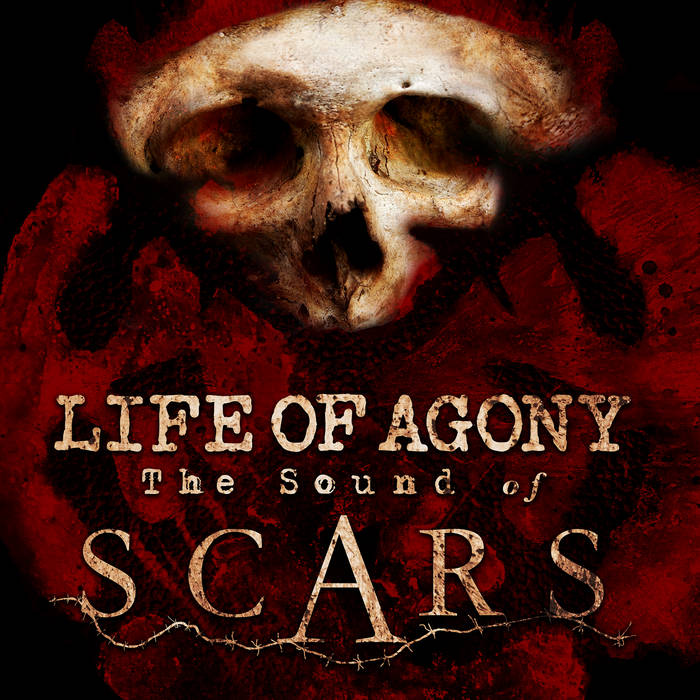
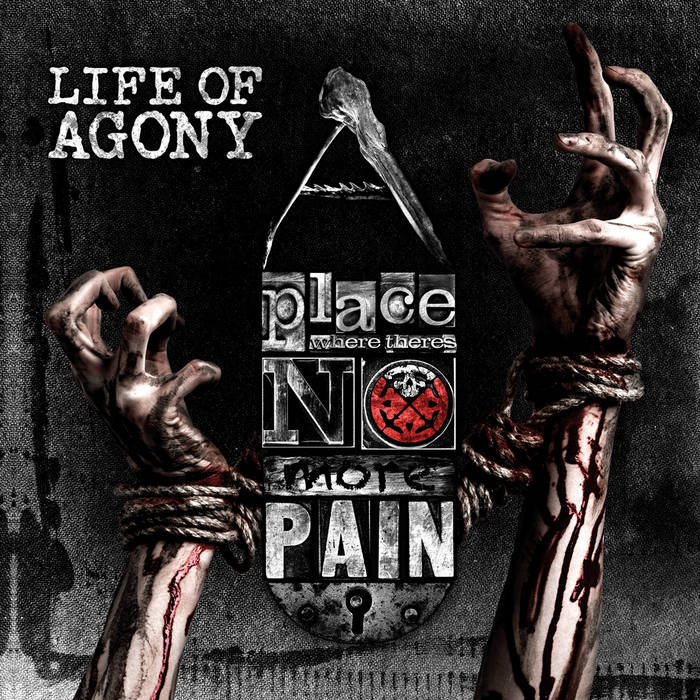
This cross-generational collaboration model is becoming increasingly significant for the New York metal scene, where veteran acts like Life Of Agony have demonstrated how seasoned musicianship can evolve while maintaining artistic integrity. The state's diverse metal landscape provides an ideal environment for these intergenerational exchanges, particularly in genres like progressive metal where technical proficiency and conceptual depth create natural bridges between different musical eras.
Dean DeLeo's One More Satellite project with UK vocalist Pete Shoulder offers another example of how established musicians are exploring creative territories beyond their primary bands. With their second album completed and slated for a fall 2026 release, DeLeo is demonstrating that side projects aren't creative diversions but essential artistic outlets. This approach resonates particularly well with New York's experimental metal acts, where cross-pollination between different musical influences has always been a driving force.
Mental Health Takes Center Stage in Touring Decisions
Jason Hager's decision to step down from Spineshank's current tour to address mental and physical health issues represents a significant shift in how metal musicians prioritize personal wellness over performance obligations. His statement about needing to be "100% every night" for both bandmates and fans reflects a new understanding of sustainable touring practices that's gaining traction across the heavy music spectrum.

This transparency around mental health challenges is particularly relevant for New York's underground metal scene, where the pressures of maintaining day jobs while pursuing musical careers can create intense psychological strain. Bands like Cur, working within the atmospheric black metal realm, often explore themes of mental struggle and emotional catharsis that align with this growing openness about psychological wellness in metal culture.
The normalization of prioritizing mental health over performance expectations creates new opportunities for regional scenes to develop more sustainable touring models. Rather than the traditional "show must go on" mentality that has historically dominated metal culture, artists are increasingly recognizing that authentic performance requires genuine personal wellness.
Posthumous Projects and Legacy Preservation
Soundgarden's ongoing work to complete their final album with unreleased Chris Cornell recordings demonstrates how surviving band members are approaching legacy preservation with both reverence and creative ambition. Kim Thayil's comments about the project being "very, very important" to all remaining members highlight the complex emotional and artistic challenges involved in posthumous album completion.
This careful approach to posthumous releases sets important precedents for how metal bands handle the loss of core members while maintaining artistic integrity. The process requires balancing respect for the deceased artist's vision with the creative input of surviving members—a challenge that many best metal bands may face as the genre's founding generation ages.
For New York's metal community, these legacy preservation efforts provide valuable templates for how regional acts can handle similar situations. The state's rich musical history includes numerous influential bands whose eventual legacy projects will require similar sensitivity and artistic vision.
Solo Career Evolution and Artistic Independence
Erik Grönwall's transition from Skid Row frontman to solo artist with his "Bad Bones" album illustrates how modern metal musicians are using solo careers not as band replacements but as complementary creative outlets. His "Who's The Winner" single demonstrates the artistic freedom that comes with complete creative control, allowing for exploration of musical territories that might not fit within established band dynamics.
This solo career evolution reflects broader changes in how metal artists approach their creative output. Rather than viewing solo work as a sign of band dissolution, musicians are increasingly treating individual projects as essential components of their overall artistic development. The model creates opportunities for artists to experiment with different sounds, collaborate with diverse musicians, and maintain creative momentum between band cycles.
New York's diverse musical ecosystem provides ideal conditions for this type of artistic exploration. The state's concentration of recording facilities, session musicians, and venues creates infrastructure that supports both band projects and solo endeavors, allowing artists to move fluidly between different creative contexts.
International Collaborations and Sonic Innovation
Illumishade's "Paralyzed" single, featuring Eluveitie members Fabienne Erni and Jonas Wolf, showcases how international collaborations are pushing modern metal into new sonic territories. The track's combination of crushing riffs and melodic hooks represents the type of genre-blending innovation that's becoming increasingly common as geographical barriers to collaboration continue to diminish.
These international partnerships create new opportunities for new metal bands 2026 to develop distinctive sounds by incorporating diverse cultural and musical influences. The global nature of modern metal collaboration means that regional scenes like New York's can benefit from creative exchanges with musicians worldwide, leading to innovative approaches that might not emerge from purely local collaborations.
The technical sophistication of modern recording and collaboration tools enables these international projects to maintain cohesive artistic visions despite geographical distances. This technological democratization of collaboration particularly benefits underground scenes, where access to diverse musical partnerships was historically limited by location and resources.
Implications for New York's Metal Evolution
These national trends create significant opportunities for New York's metal scene to continue its evolution as a breeding ground for innovative heavy music. The state's combination of veteran acts, emerging bands, and diverse musical infrastructure positions it perfectly to capitalize on the multi-generational collaboration trend, mental health awareness movement, and international partnership opportunities that are reshaping metal culture.
Local acts spanning from grindcore pioneers like Ate to progressive innovators represent the type of artistic diversity that thrives in environments where cross-generational collaboration and creative authenticity are valued over traditional industry expectations. As these broader cultural shifts continue to unfold, New York's metal scene stands to benefit significantly from increased opportunities for meaningful artistic partnerships and sustainable career development.
The convergence of family collaborations, mental health transparency, and international creative partnerships signals a maturation of metal culture that prioritizes authentic artistic expression over traditional industry pressures—a development that should particularly benefit regional scenes with strong creative communities and supportive local infrastructures.