Sound & Fury's Hardcore Renaissance and Documentary Filmmaking Reshape Metal's Storytelling Revolution
The metal community is witnessing a fascinating convergence of nostalgic festival programming and intimate documentary storytelling, as major events embrace reunion culture while artists increasingly turn to film as their preferred medium for authentic narrative control. This shift represents more than entertainment trends—it signals fundamental changes in how metal artists and communities preserve their legacies and connect with audiences.
Festival Reunion Culture Drives Regional Scene Revival
Sound & Fury's 2026 lineup announcement exemplifies the current festival programming philosophy that prioritizes rare reunions and carefully curated comebacks. The inclusion of The Rival Mob's first performance since 2016 and Carry On's return following their surprise partial reunion demonstrates how festivals are becoming cultural preservation societies rather than simple entertainment venues.
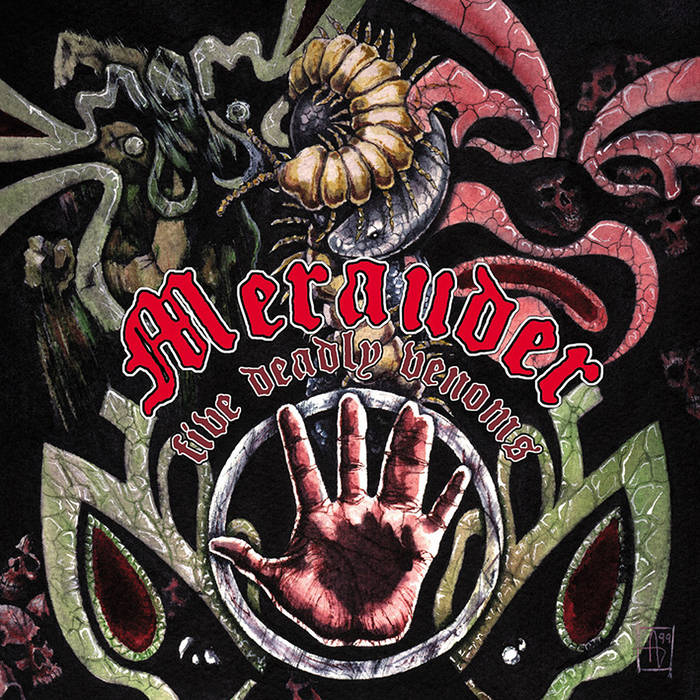
This approach creates unique opportunities for regional scenes like New York's hardcore and metal underground. When legendary acts like Merauder appear on these lineups alongside comeback acts, they benefit from association with carefully orchestrated nostalgia that validates their ongoing relevance. The festival's blend of hardcore veterans with death metal stalwarts like Obituary creates programming that speaks to metal's interconnected subgenre relationships.
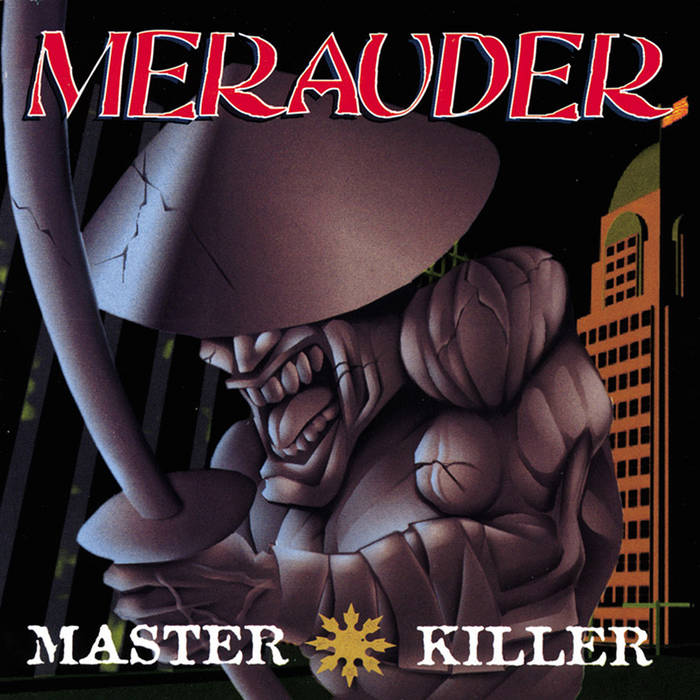
For New York's hardcore scene, these reunion-focused festivals provide crucial visibility platforms. Bands that have maintained consistent activity while their peers went dormant suddenly find themselves positioned as both veterans and active participants in a revival movement they never actually left.
Documentary Filmmaking Becomes Metal's New Frontier
The ongoing controversy surrounding filmmaker Matt Zane's Wayne Static documentary reveals how significantly documentary filmmaking has evolved within metal culture. No longer simple promotional tools, these films have become battlegrounds for narrative control, with estates, former bandmates, and filmmakers competing for definitive storytelling authority.
Erik Grönwall's "To Hell & Back" mini-documentary represents the opposite approach—artist-controlled storytelling that bypasses traditional media gatekeepers entirely. The seven-minute format suggests metal artists are embracing concise, direct communication over lengthy traditional interviews or magazine features. This shift toward visual storytelling reflects broader changes in how audiences consume metal culture, preferring immediate, visual narratives over text-based coverage.
The tension between unauthorized documentaries and artist-approved content mirrors broader questions about who controls metal's historical narrative. As veteran artists become more media-savvy and protective of their stories, unauthorized filmmakers face increasing resistance from estates and remaining band members who prefer maintaining control over their legacies.
Cross-Genre Collaboration Expands Metal's Political Voice
Tom Morello and Serj Tankian's "Adjourn It" collaboration, featuring Morello's son Roman, demonstrates how metal artists are leveraging their platforms for political advocacy while simultaneously creating intergenerational artistic partnerships. This approach—combining political messaging with family collaboration—suggests new models for how veteran metal artists can remain relevant while passing artistic traditions to the next generation.
The immigration justice theme connects directly to metal's historically outsider perspective, but the collaboration format represents evolved political engagement. Rather than angry protest songs, these artists are creating calculated advocacy pieces designed for maximum impact across multiple platforms and audiences.
This collaborative approach influences regional scenes by demonstrating how local artists can amplify their messages through strategic partnerships. New York's diverse metal and hardcore communities, with their strong political traditions, can learn from these high-profile collaborations about effective advocacy messaging that transcends typical metal audience boundaries.
Touring Logistics Challenge Traditional Metal Business Models
Benjamin Burnley's declaration that he'll "take a boat" to Europe rather than fly illustrates how personal limitations are forcing creative solutions in metal touring. His refusal to fly represents extreme adaptation, but it highlights broader logistical challenges facing touring metal acts in an increasingly complex global entertainment landscape.
Drowning Pool's South American tour cancellation due to "red tape" and logistical issues reflects systematic problems affecting international metal touring. These cancellations hurt more than individual bands—they damage metal's reputation in emerging markets and create skepticism about future bookings.
For regional scenes, these touring challenges create both obstacles and opportunities. New York bands looking to expand beyond regional markets face the same logistical complexities, but they also benefit when international acts cancel tours and promoters seek reliable local replacement acts.
Weekly Playlist Culture Shapes Discovery Patterns
The prominence of curated weekly playlists from outlets like Metal Injection and BrooklynVegan demonstrates how metal discovery has shifted toward algorithmic and editorial curation. Anthrax and Periphery appearing alongside smaller acts like Port Noir and Blue Medusa creates discovery opportunities that traditional radio never provided.
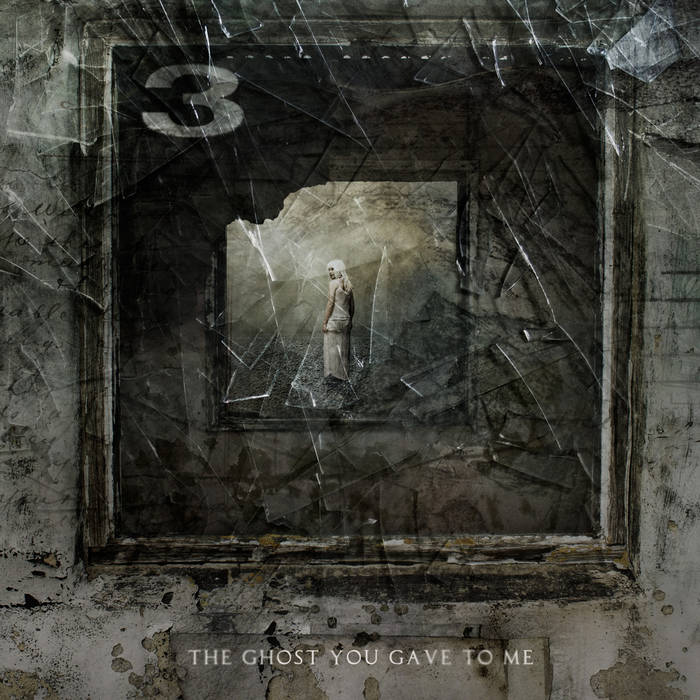
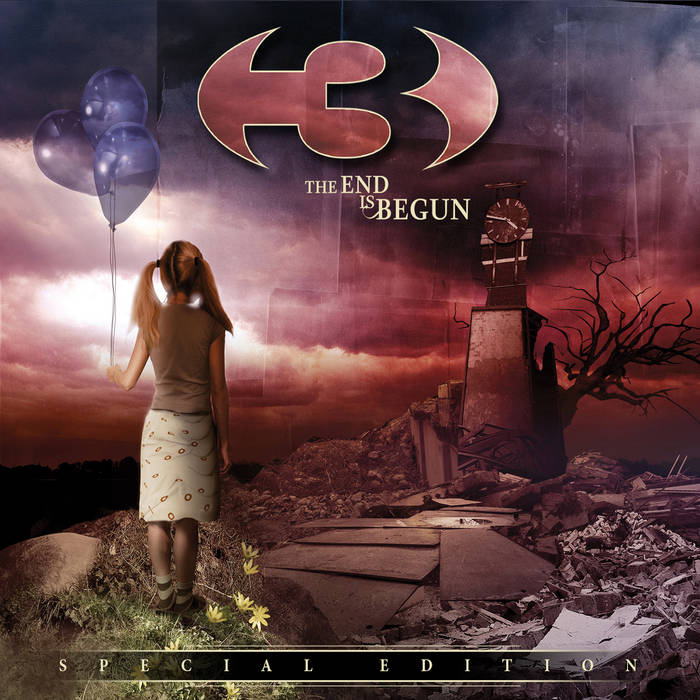
This playlist culture particularly benefits progressive metal acts like 3, whose complex compositions can find audiences through curated discovery rather than commercial radio play. The editorial curation process validates artistic quality while providing exposure pathways for bands that don't fit traditional commercial categories.
Regional bands benefit when local music journalists and playlist curators champion their work alongside established acts. This creates peer validation that can be more valuable than traditional press coverage, as playlist inclusion suggests quality equivalence with recognized artists.
Artist Vulnerability Builds Authentic Fan Connections
Randy Blythe's decision to let a cancer patient shave his head backstage at Welcome to Rockville represents metal's increasing embrace of authentic vulnerability. These moments, captured and shared across social media, create deeper fan connections than traditional meet-and-greet interactions.
This vulnerability trend influences how regional artists approach fan interaction. Rather than maintaining rock star distance, successful metal acts are finding that genuine human moments create lasting fan loyalty and positive community reputation.
The documentation and sharing of these interactions also demonstrates how metal artists are learning to leverage authentic moments for positive publicity without appearing calculated or opportunistic.
Regional Scene Implications and Future Directions
These trends create specific opportunities for New York's metal and hardcore communities. The emphasis on reunion culture and nostalgic programming validates the region's rich metal history while creating platforms for continuing acts to benefit from association with returning legends.
Documentary filmmaking presents opportunities for local artists to control their narratives while building deeper fan connections. The success of short-form content like Grönwall's seven-minute documentary suggests regional bands can create impactful visual content without major production budgets.
Political collaboration models demonstrated by established artists provide templates for local bands to amplify their messages and build cross-generational partnerships within their own communities.
As metal continues evolving toward more intimate, authentic, and visually-driven communication methods, New York's diverse and historically rich metal scene is well-positioned to benefit from these changes. The region's combination of veteran acts, emerging artists, and media-savvy hardcore communities creates an ideal environment for implementing these new approaches to audience engagement and artistic development.
The convergence of festival reunion culture, documentary storytelling, and authentic fan interaction suggests metal is moving toward more sustainable, community-focused business models that prioritize genuine connection over traditional industry gatekeeping.