Brutal Death Metal Renaissance and NYHC Veterans Define New York's Underground Evolution
New York's extreme metal underground is experiencing a fascinating duality in 2026, with brutal death metal experiencing an unexpected renaissance while veteran hardcore acts continue to prove their enduring relevance. This juxtaposition creates a unique ecosystem where crushing brutality meets seasoned songcraft, establishing templates that could reshape how regional scenes approach both innovation and sustainability.
MADBALL's Kingdom Defiance
Madball's announcement of their tenth studio album "Not Your Kingdom" alongside the release of their "Rebel Kids" single demonstrates exactly why New York hardcore continues to set global standards. The Nuclear Blast release, scheduled for July 24th, represents more than just another album from NYHC royalty—it's a statement about the genre's capacity for sustained creative evolution.
What makes this development particularly significant for the New York metal scene is how it validates the region's approach to hardcore longevity. Rather than chasing trends or attempting to recapture past glory, Madball's latest material suggests they're focused on what hardcore does best: channeling genuine aggression into precise, memorable compositions. The "Rebel Kids" single title alone hints at the band's understanding that hardcore's rebellious spirit remains as relevant today as it was during the genre's formative years.
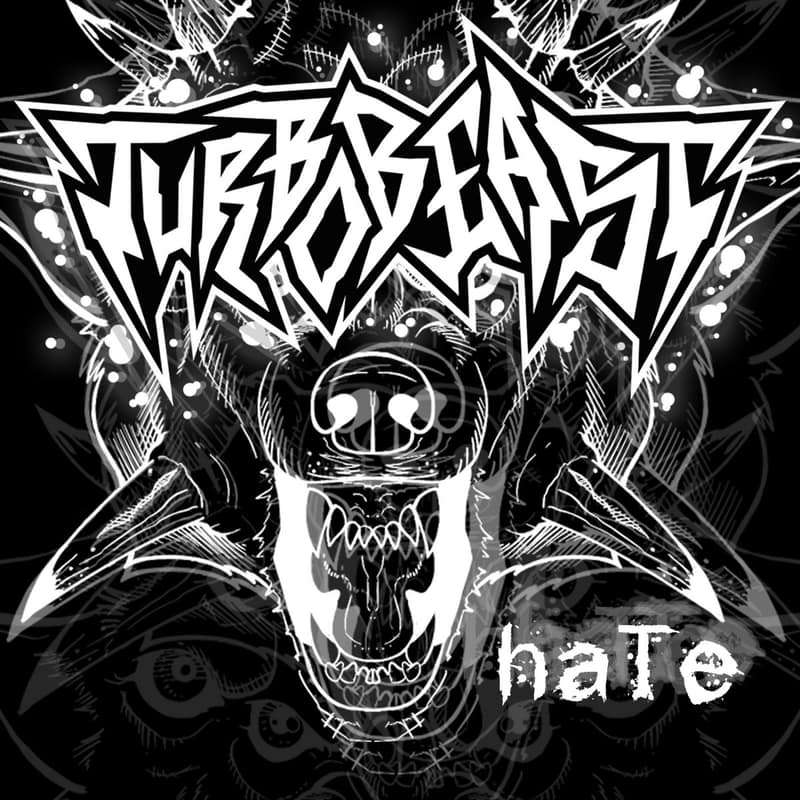
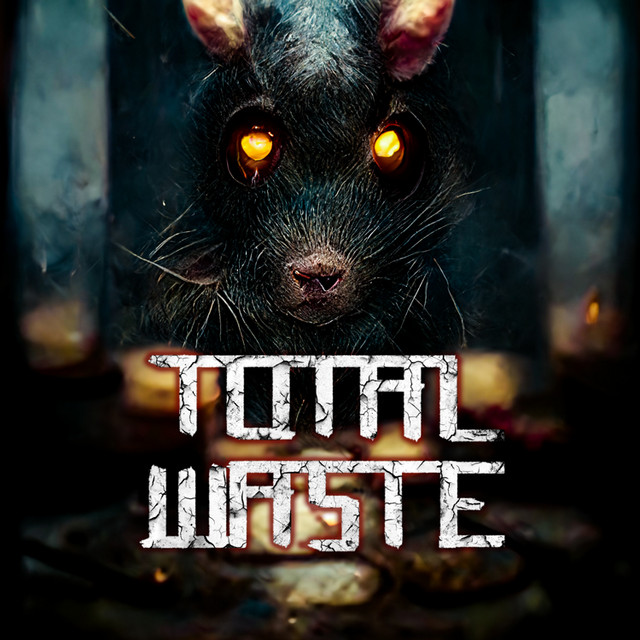
This approach creates opportunities for emerging bands in the region's hardcore and crossover scenes. Acts like Total Waste, who blend crossover thrash with hardcore elements, can study how veteran acts maintain authenticity while expanding their sonic palette. Similarly, the crossover thrash movement represented by bands like TurboBeast benefits from seeing how established acts navigate the balance between aggression and accessibility.
The Brutal Death Metal Awakening
While Madball represents hardcore's consistent evolution, the broader extreme metal landscape is witnessing something more dramatic: a brutal death metal renaissance that's reshaping how technical proficiency intersects with pure savagery. This movement isn't just about faster blast beats or more complex song structures—it's about reclaiming death metal's capacity for genuine shock and awe.
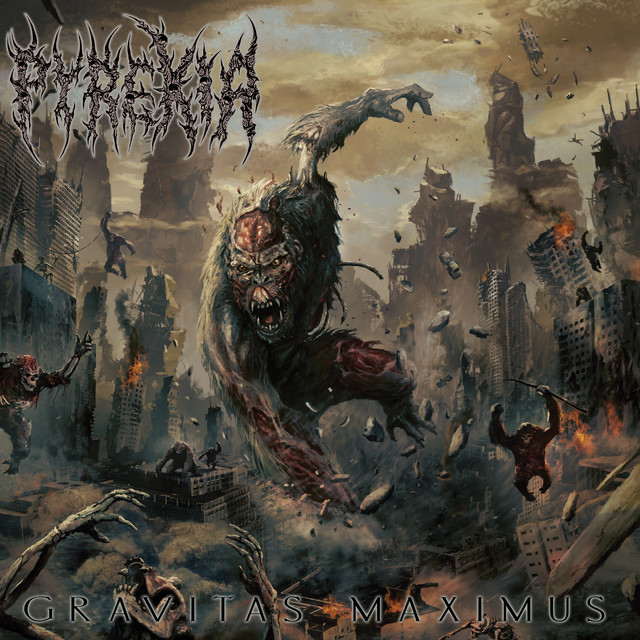
New York's brutal death metal scene has always been foundational to the subgenre's development, with bands like Pyrexia helping establish the groove-heavy approach that distinguishes New York brutal death from its more purely technical counterparts. The current renaissance builds on this foundation while incorporating modern production techniques that preserve the music's crushing impact.
What's particularly encouraging is how this revival is attracting younger musicians who might have previously gravitated toward metalcore or djent. The brutal death metal approach offers something those genres often lack: complete commitment to extremity without compromise. Bands like Final Resting Place, who blend brutal death metal with hardcore elements, represent this new wave of artists who understand that true brutality requires both technical skill and genuine intensity.
Legacy Management Versus Innovation
The contrast between established acts maintaining their relevance and emerging genres finding their footing reveals broader tensions within metal's ecosystem. While some veteran acts struggle with relevance—as evidenced by ongoing debates about classic albums like Metallica's controversial "St. Anger" and whether masterpieces like "...And Justice For All" should be remixed—others demonstrate that longevity comes from understanding your core strengths.
This lesson resonates throughout New York's diverse metal landscape. Progressive metal acts like Contrarian can observe how veterans balance innovation with identity, while death metal purists see the value of maintaining genre integrity even as musical landscapes shift around them.
The current moment offers particular advantages for new metal bands 2026 who can study these dynamics without the pressure of established expectations. They can observe how Madball maintains hardcore authenticity while expanding their reach, or how brutal death metal acts balance technical complexity with emotional impact.
Regional Scene Implications
These developments create specific opportunities for New York's metal infrastructure. Venues that can accommodate both hardcore's pit-focused energy and brutal death metal's sonic intensity will find themselves hosting increasingly diverse bills. The crossover potential between these scenes—particularly through bands that blend elements from both—suggests fertile ground for collaborative projects and cross-pollination.
More importantly, the success of veteran acts like Madball provides practical templates for younger bands navigating the challenges of sustained careers. Their approach demonstrates that authenticity and gradual evolution trump dramatic reinvention or trend-chasing. This philosophy particularly benefits genres like groove metal and sludge metal, which rely on sustained heaviness rather than flashy technical displays.
Bands operating in these overlooked categories can study how established acts build lasting fan bases through consistency and genuine commitment to their chosen aesthetic. The brutal death metal renaissance similarly shows how supposedly "outdated" genres can experience renewed relevance when approached with both reverence for their foundations and willingness to push boundaries.
The Technical Evolution
What sets the current brutal death metal revival apart from previous waves is its integration of modern recording techniques with old-school compositional approaches. Rather than using technology to create artificial extremity, the best contemporary brutal death metal uses modern tools to capture genuine performance intensity with unprecedented clarity.
This technical evolution creates opportunities for regional bands who might have previously felt disadvantaged by limited studio budgets. When brutality comes from performance rather than production trickery, skilled musicians can achieve professional results without major-label resources. This democratization particularly benefits New York's underground scenes, where venue scarcity and high costs have always required creative solutions.
The implications extend beyond brutal death metal into related genres. Grindcore acts like Tomb Relic can apply similar principles to achieve maximum impact with minimal resources, while doom and sludge metal bands discover that authentic heaviness translates more effectively than artificial enhancement.
Looking Forward
As summer festival season approaches and metal bands touring 2026 finalize their routes, New York's position as both a historic metal center and contemporary innovation hub becomes increasingly valuable. The state's combination of veteran expertise and emerging talent creates unique opportunities for collaboration and mutual influence.
The success of both Madball's sustained evolution and brutal death metal's renaissance suggests that 2026 may be remembered as a year when New York metal scenes successfully balanced respect for tradition with commitment to progression. Rather than choosing between preserving the past and embracing the future, the region's most successful acts are demonstrating that authentic evolution honors both impulses.
For musicians and fans throughout New York state, these developments offer both inspiration and practical guidance. Whether you're drawn to hardcore's political urgency, brutal death metal's technical extremity, or the countless variations between and beyond these poles, the current moment provides examples of how to build sustainable creative practices that serve both artistic vision and career longevity.
The underground metal ecosystem thrives when veteran wisdom intersects with youthful energy, and New York's current scene exemplifies this dynamic at its most productive. As these trends continue developing throughout the year, the region's influence on global metal culture seems destined to expand even further.