Band Evolution and Survival Instincts Define Metal's Transformative 2026 Landscape
The metal world's constant state of evolution has rarely been as dramatically illustrated as it is right now, with established acts undergoing radical transformations while others dig deeper into their core identities. From Mastodon's first album without founding guitarist Brent Hinds to DragonForce's complete vocal overhaul with Alissa White-Gluz, the genre's most successful bands are proving that adaptation isn't just survival—it's artistic necessity.
Major Lineup Shifts Reshape Established Metal Hierarchies
Mastodon's announcement that their new record is complete marks a pivotal moment not just for the Atlanta progressive metal giants, but for the entire genre's approach to core member departures. Drummer Brann Dailor's admission that it "was a confusing time" creating their first album without Hinds reflects the complex emotional and creative challenges bands face when fundamental chemistry changes. This isn't merely about replacing a guitarist—it's about reimagining an entire sonic identity that fans have followed for over two decades.
The situation mirrors challenges that New York's own established acts have navigated throughout their careers. Bands like Life Of Agony have demonstrated how lineup evolution can actually strengthen artistic vision when approached with clear purpose, offering a template for how regional acts might handle similar transitions.
Meanwhile, DragonForce's integration of Alissa White-Gluz represents a completely different evolutionary strategy. Rather than replacing like with like, they've brought in a vocalist whose background in extreme metal could fundamentally alter their power metal foundation. White-Gluz's debut performance at Welcome To Rockville wasn't just a new singer trying out classic songs—it was a preview of how established formulas can be completely reimagined when the right artistic chemistry emerges.
Industrial Metal's Underground Resilience
While major acts grab headlines with dramatic personnel changes, the industrial metal underground continues its steady evolution. New York's Sin represents the kind of persistent creative vision that doesn't depend on lineup drama or festival announcements to maintain relevance. Industrial metal's integration of electronic elements and aggressive metal foundations creates a natural laboratory for the kind of sonic experimentation that many traditional metal acts struggle to achieve organically.
This genre's inherent adaptability offers lessons for bands navigating their own creative crossroads. Industrial metal artists have always understood that technology and aggression can coexist, that evolution doesn't require abandoning core principles. As more traditional metal acts experiment with electronic integration—following the path that bands like Genghis Tron pioneered—the industrial scene's foundational principles become increasingly relevant across the broader metal landscape.
Veteran Artists Embrace Practical Performance Evolution
Beyond dramatic lineup changes, veteran artists are making subtler but equally significant adaptations to maintain their artistic integrity while acknowledging physical realities. Former Nightwish vocalist Tarja Turunen's decision to abandon high heels during performances might seem trivial, but it represents a broader shift toward practical performance considerations that prioritize artistic delivery over traditional presentation expectations.
This practical evolution reflects broader changes in how established artists approach their craft after decades of performing. Saxon's careful approach to their upcoming 25th studio album, with Biff Byford revealing strategic release planning extending into 2026, demonstrates how veteran acts are learning to balance fan expectations with sustainable creative practices.
The approach contrasts sharply with the industry's traditional emphasis on constant touring and rapid album cycles. Instead, these artists are modeling career longevity strategies that newer bands—including those emerging from New York's diverse metal scene—can study and adapt for their own career development.
Cross-Generational Collaboration and Legacy Management
The emergence of second-generation metal projects like Stanley Simmons—featuring the sons of Kiss members Paul Stanley and Gene Simmons—illustrates how metal's legacy management is becoming increasingly sophisticated. Rather than simply trading on parental fame, projects like these represent genuine attempts to create new artistic statements while acknowledging their inherited connections to metal history.
This generational approach to metal creativity offers interesting parallels to how regional scenes develop their own artistic continuity. Established New York acts like Biohazard and Cro-Mags have influenced countless younger bands who carry forward their aggressive crossover approach while developing their own distinct voices. The key is maintaining respect for foundational principles while pushing creative boundaries.
Collaborative projects between established and emerging artists are becoming more common as veteran musicians seek fresh creative perspectives without completely abandoning their established artistic territories. These partnerships create opportunities for knowledge transfer that benefits both the experienced artists seeking new inspiration and younger musicians gaining access to professional expertise.
Genre Boundary Dissolution and Creative Risk-Taking
DevilDriver's continued evolution demonstrates how established bands can maintain their core identity while continuously expanding their creative palette. Their new material represents the kind of calculated risk-taking that keeps veteran acts relevant without alienating their established fanbase. This balance between innovation and consistency has become increasingly crucial as metal audiences become more sophisticated and demanding.
The challenges faced by bands like Last In Line, dealing with vocalist changes and internal communication issues, highlight how even well-established acts struggle with the basic interpersonal dynamics that determine creative success. These situations remind emerging artists that musical talent alone isn't sufficient—successful bands require clear communication and shared artistic vision.
For New York's metal scene, these industry-wide examples provide valuable case studies in both successful adaptation and cautionary tales about what happens when bands fail to navigate change effectively. Regional acts can observe how major-label bands handle similar challenges and adapt those strategies to their own circumstances and resources.
Looking Forward: Metal's Evolutionary Momentum
As we progress through 2026, the metal genre's willingness to embrace fundamental change while maintaining its essential aggressive character suggests a maturation process rather than simple stylistic drift. The most successful adaptations—whether Mastodon's post-Hinds direction or DragonForce's vocal transformation—maintain clear connections to their foundational strengths while exploring genuinely new creative territories.
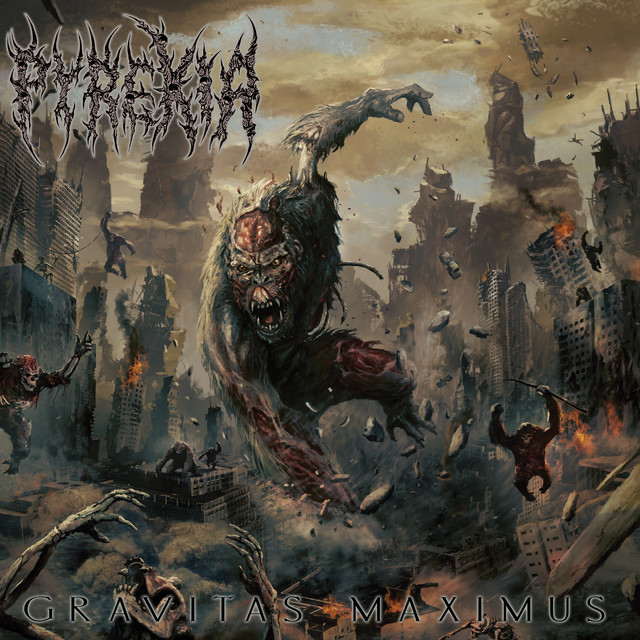
This evolutionary approach offers encouragement for regional scenes developing their own artistic identities. Rather than simply mimicking established successful formulas, the current metal landscape rewards bands that understand their own strengths and build upon them strategically. The New York metal scene's diversity—from brutal death metal acts like Pyrexia to doom pioneers like Type O Negative—provides an excellent foundation for this kind of evolutionary thinking.
The bands that will thrive in this environment are those that combine respect for metal's essential characteristics with willingness to take calculated creative risks. Whether that means incorporating new technologies, exploring different vocal approaches, or simply committing to more sustainable touring practices, the key is maintaining artistic integrity while remaining open to positive change.
As metal continues evolving, the most important lesson from current industry developments might be that survival requires active choice rather than passive adaptation. The bands making headlines aren't just responding to external pressures—they're actively choosing their evolutionary direction based on clear artistic vision and practical considerations. That proactive approach to creative development offers a template that any serious metal act can study and adapt to their own circumstances.