Health Battles and Album Completion Cycles Shape Metal's Recovery Culture as New York Extreme Metal Scene Embraces Resilience Movement
The intersection of personal health battles and creative completion is reshaping metal's cultural narrative as artists navigate cancer diagnoses, sobriety milestones, and mysterious album recordings. From Jason Newsted's successful throat cancer treatment to John Moyer's sobriety celebration, the metal community is witnessing unprecedented transparency about recovery journeys while maintaining creative momentum through album cycles and artistic evolution.
Cancer Survival and Creative Persistence Define Metal's Resilience
Jason Newsted's recent announcement of beating throat cancer represents more than personal victory—it signals a broader cultural shift toward health transparency in metal circles. The former Metallica bassist's candid discussion of receiving his "free and clear" diagnosis demonstrates how veteran musicians are balancing vulnerability with strength, creating new models for addressing serious health challenges while maintaining artistic integrity.
This transparency extends beyond individual cases to influence entire scenes. Throat cancer, particularly relevant for metal musicians given vocal demands and lifestyle factors, has become a rallying point for preventive awareness. Newsted's openness about his battle creates space for other artists to address similar challenges without compromising their perceived toughness or authenticity.
The timing of his recovery announcement coincides with increased industry focus on musician health resources, suggesting that personal battles are driving systemic improvements in support structures. This cultural evolution particularly benefits extreme metal communities where physical and vocal demands create heightened health risks.
Sobriety Milestones Transform Band Dynamics and Creative Output
John Moyer's celebration of one year of sobriety represents another facet of metal's evolving relationship with personal wellness. His public acknowledgment of this milestone reflects broader industry changes where sobriety is increasingly viewed as empowerment rather than limitation. This shift particularly impacts how bands approach touring, recording, and creative collaboration.
Sobriety narratives in metal have traditionally been complicated by genre associations with rebellion and excess. However, contemporary artists are redefining these relationships by demonstrating how clear-headed approaches enhance rather than diminish creative intensity. Moyer's transparency creates pathways for other musicians struggling with similar challenges while maintaining credibility within metal's demanding culture.
The celebration of sobriety milestones also influences band longevity and creative sustainability. As veteran acts navigate decades-long careers, personal health decisions increasingly determine artistic output and collaborative possibilities. This evolution creates new standards for professional relationships and creative partnerships within metal communities.
Mysterious Album Completions Generate Industry Speculation
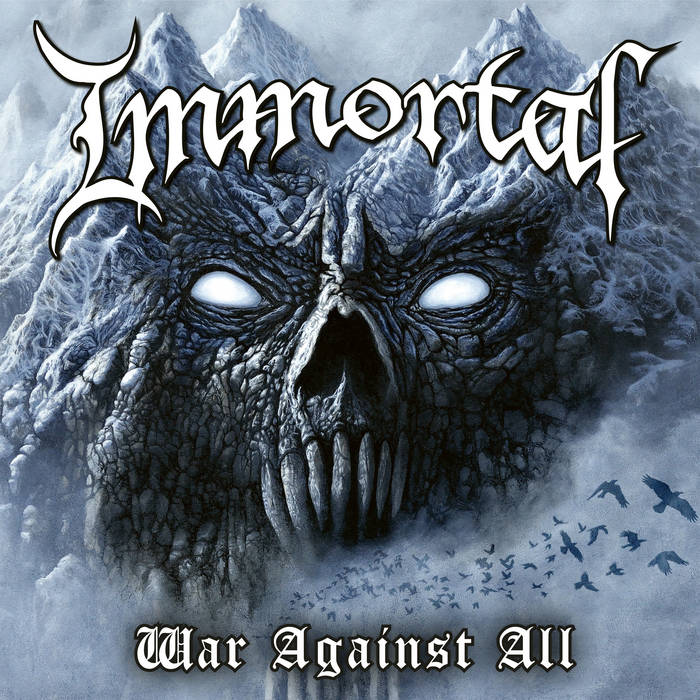
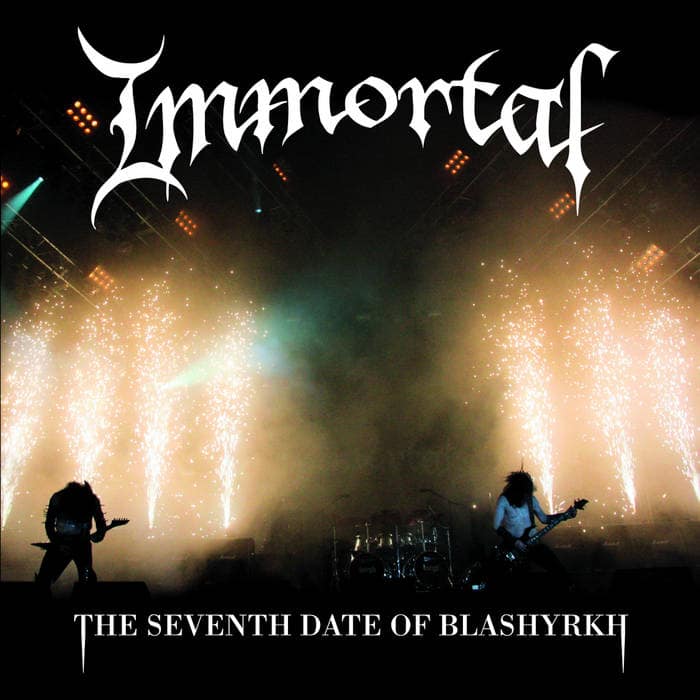
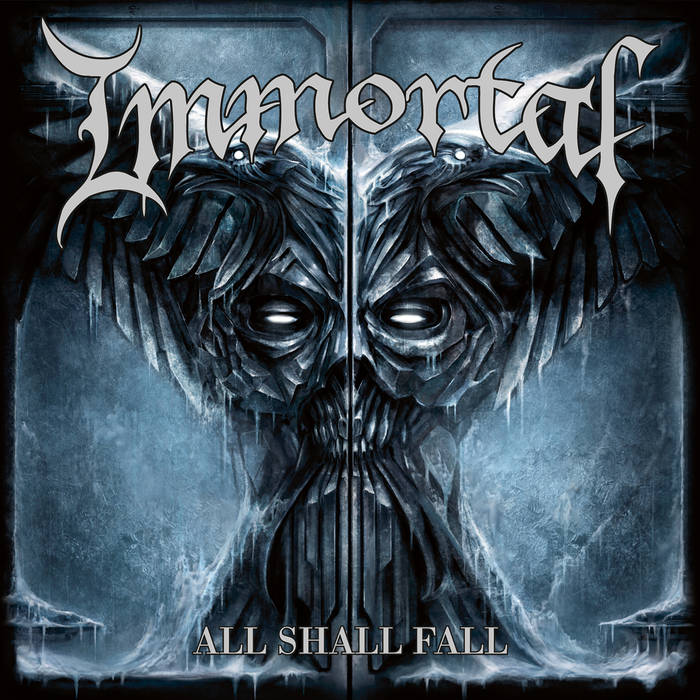
New York's extreme metal scene, particularly represented by acts like Immortal, stands at the center of intriguing album completion announcements. The speed and death metal veterans have reportedly finished recording their next release, though lineup details remain deliberately obscured. This strategic ambiguity represents sophisticated marketing approaches where mystery generates more engagement than traditional promotional campaigns.
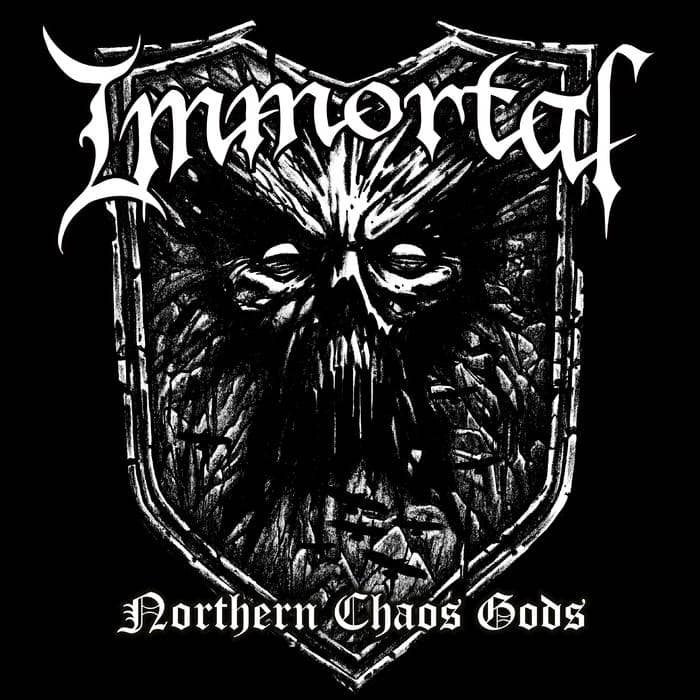
The completion of Immortal's new record arrives amid broader industry discussions about album announcement timing and promotional strategies. Bands increasingly use controlled information release to build anticipation while maintaining creative control over narrative timing. This approach particularly benefits extreme metal acts where underground credibility requires balancing accessibility with exclusivity.
Album completion cycles also reflect changing studio dynamics and recording technologies. The ability to complete full albums without revealing personnel details suggests increased flexibility in recording processes and collaborative arrangements. This evolution benefits New York's diverse extreme metal community by creating new possibilities for project-based collaborations and guest contributions.
Re-Recording Trends and Legacy Management Shape Creative Decisions
The broader metal landscape's embrace of re-recording classic albums indicates sophisticated approaches to legacy management and artistic evolution. While specific acts pursue complete album recreations, the trend influences how all bands consider their catalog development and creative progression over time.
Re-recording decisions reflect complex calculations involving artistic growth, technical capabilities, and fan expectations. Bands must balance nostalgia with innovation, ensuring that updated versions enhance rather than replace beloved original recordings. This balance particularly challenges extreme metal acts where production aesthetics significantly impact listener experience.
The success of re-recording projects also creates opportunities for New York's metal scene participants to reconsider their own catalog approaches. Local acts in genres like thrash, death metal, and black metal can observe industry responses to updated recordings while planning their own creative strategies for catalog development and fan engagement.
Vocal Health and Performance Sustainability Drive Technical Innovation
Increased focus on vocal health, highlighted by cancer recoveries and performance coaching developments, creates new technical standards for extreme metal vocalists. The intersection of health awareness and performance demands drives innovation in vocal techniques, recording approaches, and live performance strategies.
Vocal coaches working with extreme metal performers report increased demand for sustainability-focused training approaches. These methods balance intensity requirements with long-term vocal health, creating new standards for professional development within metal communities. This evolution particularly benefits New York's diverse extreme metal scene where vocal demands span multiple subgenres.
The emphasis on vocal sustainability also influences album production decisions and touring strategies. Bands increasingly consider health factors when planning recording schedules and performance calendars, leading to more strategic approaches to career management and creative output timing.
Industry Health Resources and Support Networks Expand
The publicizing of health battles and recovery milestones drives expansion of industry support networks and resource availability. Organizations focused on musician health report increased engagement and resource development, particularly in areas addressing substance abuse, cancer prevention, and performance-related injuries.
These expanding resources particularly benefit extreme metal communities where health risks from performance demands, lifestyle factors, and industry pressures create unique challenges. New York's metal scene, with its diversity of venues and performance opportunities, stands to benefit significantly from improved health support infrastructure.
The development of health-focused support networks also influences how bands approach crisis management and member support during health challenges. Improved resources create possibilities for continued creative output even during treatment periods, benefiting both individual artists and broader scene sustainability.
As metal's recovery culture continues evolving, the integration of health transparency with creative excellence creates new models for artistic longevity and community support. This transformation particularly positions New York's extreme metal scene for sustained growth and innovation as local acts embrace both creative intensity and personal wellness as complementary rather than competing priorities.