AI Music Controversies and Digital Distribution Wars Challenge New York's Extreme Metal Artists as Grindcore Pioneers Navigate Platform Battles

The intersection of artificial intelligence and extreme metal has reached a breaking point, with veteran metalcore act Zao finding themselves wrongfully flagged for AI-generated content by major distribution platform TuneCore. This incident highlights a growing crisis facing New York's grindcore and extreme metal underground, where algorithmic content moderation threatens the livelihood of artists who've spent decades perfecting their craft.
The Pennsylvania-based metalcore pioneers discovered their music had been flagged as artificially generated, despite decades of documented human artistry. What makes this particularly absurd is that their flagged track contained warning clips—something that would represent catastrophically poor AI programming. The band's inability to reach actual human representatives at TuneCore for explanation reveals a systemic problem affecting independent extreme metal artists nationwide.
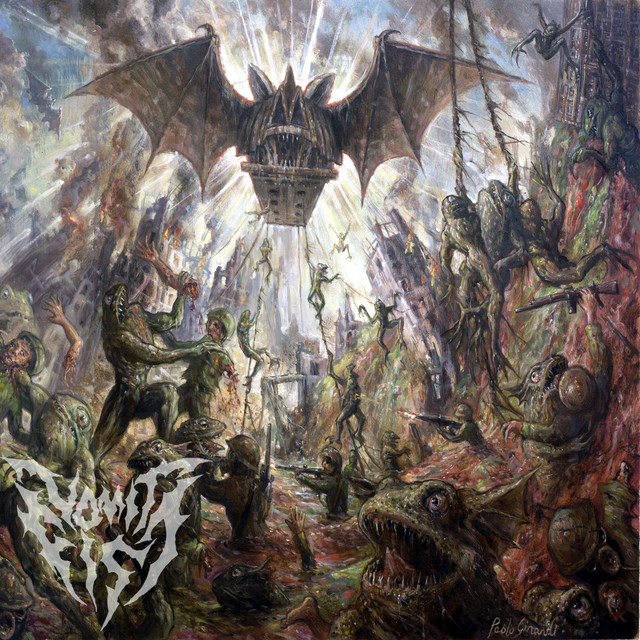
For New York's grindcore scene, which includes powerhouse acts like Ate and Vomit Fist, this development represents an existential threat. Grindcore's characteristic blast beats, microsecond song structures, and heavily processed vocals could easily trigger primitive AI detection algorithms that mistake human extremity for machine generation.
Distribution Platform Battles Threaten Extreme Metal Economics
The Zao controversy exposes how digital distribution platforms are implementing AI detection systems without proper human oversight or appeals processes. This creates particular vulnerabilities for extreme metal subgenres that push sonic boundaries—exactly the kind of innovative artistry that New York's metal scene has always championed.
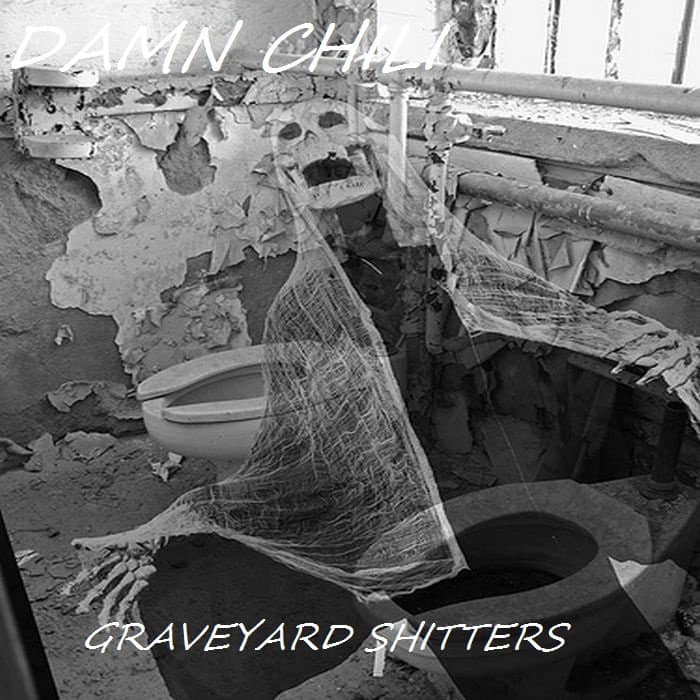
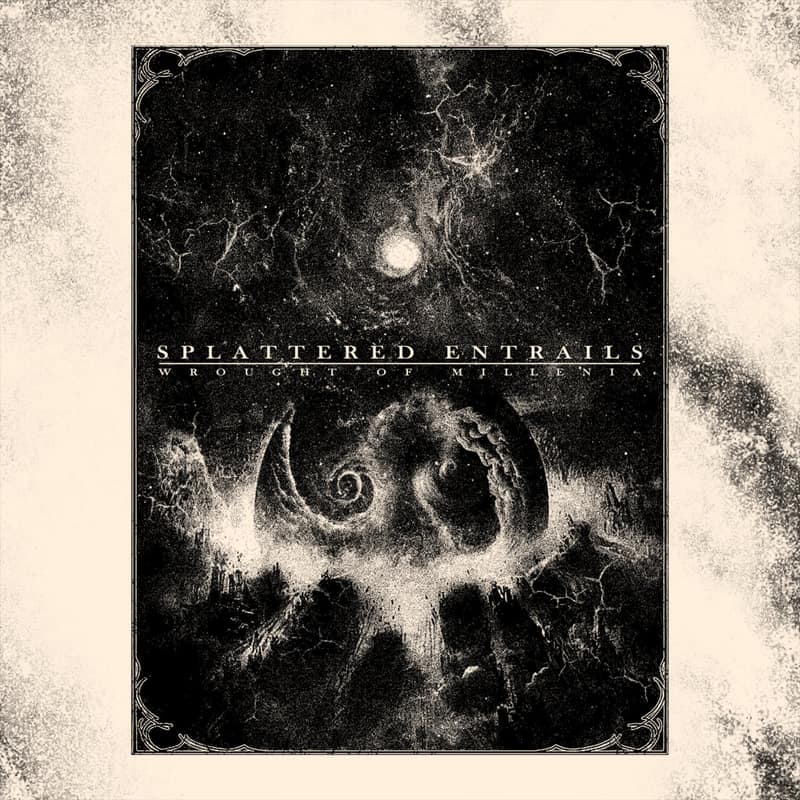
Empire State grindcore acts face unique challenges in this environment. Bands like Splattered Entrails and Damn Chili create music that deliberately challenges conventional song structures and production approaches. Their brutal death metal and grindcore compositions often feature rapid tempo changes, extreme vocal processing, and unconventional arrangements that could confuse algorithmic analysis systems.
The implications extend beyond individual artist frustration. When established acts with decades of documented history can't access human customer service representatives, emerging New York extreme metal bands face even bleaker prospects. Young grindcore acts building their careers through digital platforms may find their music automatically removed or demonetized without recourse.
New York's Venue Renaissance Amid Digital Chaos
While digital distribution wars rage, New York's live music infrastructure continues strengthening. The Foo Fighters' announcement of intimate shows at Irving Plaza and Starland Ballroom demonstrates how major acts are returning to smaller venues for authentic connection. This trend benefits the state's extreme metal community, where live performance has always been the primary medium for artistic expression.
These venue developments arrive as upcoming shows throughout the Empire State showcase the diversity that makes New York's metal scene globally significant. From Buffalo's industrial metal experiments to Long Island's technical death metal innovations, the state's regional networks provide platforms that can't be algorithmically flagged or artificially censored.
The contrast between live music's renaissance and digital platform controversies reveals a fundamental truth about extreme metal: human connection remains irreplaceable. While algorithms struggle to comprehend grindcore's artistic legitimacy, audiences in New York venues immediately recognize the skill and creativity required to execute such demanding music.
Technology Controversies Shape Scene Development
The music industry's struggle with AI detection reflects broader technological growing pains affecting all creative industries. However, extreme metal's position at the sonic margins makes these communities particularly vulnerable to algorithmic misunderstanding. What reads as "artificial" to primitive detection systems often represents years of technical development and creative risk-taking.
New York's metal artists have always operated at the intersection of innovation and tradition. The state's grindcore pioneers built their reputations by pushing beyond conventional metal boundaries while maintaining connection to genre fundamentals. This balance becomes crucial as digital platforms attempt to categorize and moderate content through technological systems that lack cultural context.
For bands considering digital distribution strategies, the Zao incident provides essential warnings about platform dependency. Diversifying across multiple services, maintaining direct fan relationships, and prioritizing live performance become increasingly important as algorithmic content moderation expands across the industry.
Genre Evolution Amid Platform Wars
The timing of these digital distribution controversies coincides with significant developments in extreme metal touring. Wednesday 13's announcement of extensive 2026 tour dates demonstrates how horror punk and extreme metal acts are planning major venue campaigns, potentially providing alternative revenue streams for artists facing platform restrictions.
These touring announcements suggest that new metal bands 2026 will need to balance digital presence with physical performance more strategically than previous generations. The best metal bands have always understood that live performance energy can't be replicated digitally, but current platform controversies make this truth economically essential rather than merely artistic preference.
New York's extreme metal community has particular advantages in navigating these challenges. The state's venue density, from intimate club spaces to major amphitheaters, provides performance opportunities across multiple scales. Additionally, the region's media infrastructure offers alternatives to platform-dependent promotion strategies.
Protecting Artistic Integrity in Digital Warfare
The fundamental question raised by AI flagging controversies extends beyond technical glitches to artistic recognition. When algorithms can't distinguish between human creativity and machine generation, the entire value proposition of artistic development faces questioning. For extreme metal artists who've spent decades developing distinctive approaches to composition and performance, this represents both economic and existential threats.
New York's response to these challenges will likely influence how extreme metal communities nationwide navigate similar issues. The state's combination of established venue networks, diverse media outlets, and strong regional identity provides resources for developing platform-independent promotion strategies.
As digital distribution wars intensify, the Empire State's extreme metal underground stands positioned to demonstrate how authentic artistry transcends technological limitations. Whether through live performance innovation, direct fan engagement, or alternative distribution approaches, New York's grindcore and brutal death metal scenes possess the creativity and determination necessary to overcome algorithmic obstacles.
The path forward requires both immediate practical solutions and long-term strategic thinking. Artists facing platform restrictions need access to submit your band to regional music networks that prioritize human curation over algorithmic sorting. Simultaneously, the broader metal community must advocate for platform policies that include human oversight and meaningful appeals processes.