Thrash Metal Legends Unite as Keep It True Festival Showcases Underground's International Power
The 2026 Keep It True festival has become ground zero for thrash metal's most significant reunion moments in years, with legendary acts demonstrating the underground's enduring international influence. From Australia's Mortal Sin breaking a 14-year performance hiatus to Venom's founding members orchestrating a massive anniversary celebration featuring metal royalty, the German festival is proving that classic thrash retains its power to unite artists across continents and generations.
Mortal Sin's Return Signals Thrash Revival
Australia's pioneering thrash outfit Mortal Sin delivered their first performance in over a decade at this year's Keep It True festival, marking a significant moment for the global thrash community. The professionally filmed concert footage captures a band that, despite their extended absence, demonstrates why they earned their reputation as thrash metal pioneers during the genre's formative years.
This return carries particular weight for the thrash underground, where bands like Mortal Sin helped establish the template that countless acts would follow. Their reemergence suggests a broader trend of veteran thrash acts reconsidering their retirement decisions, potentially opening doors for similar reunions across the scene.
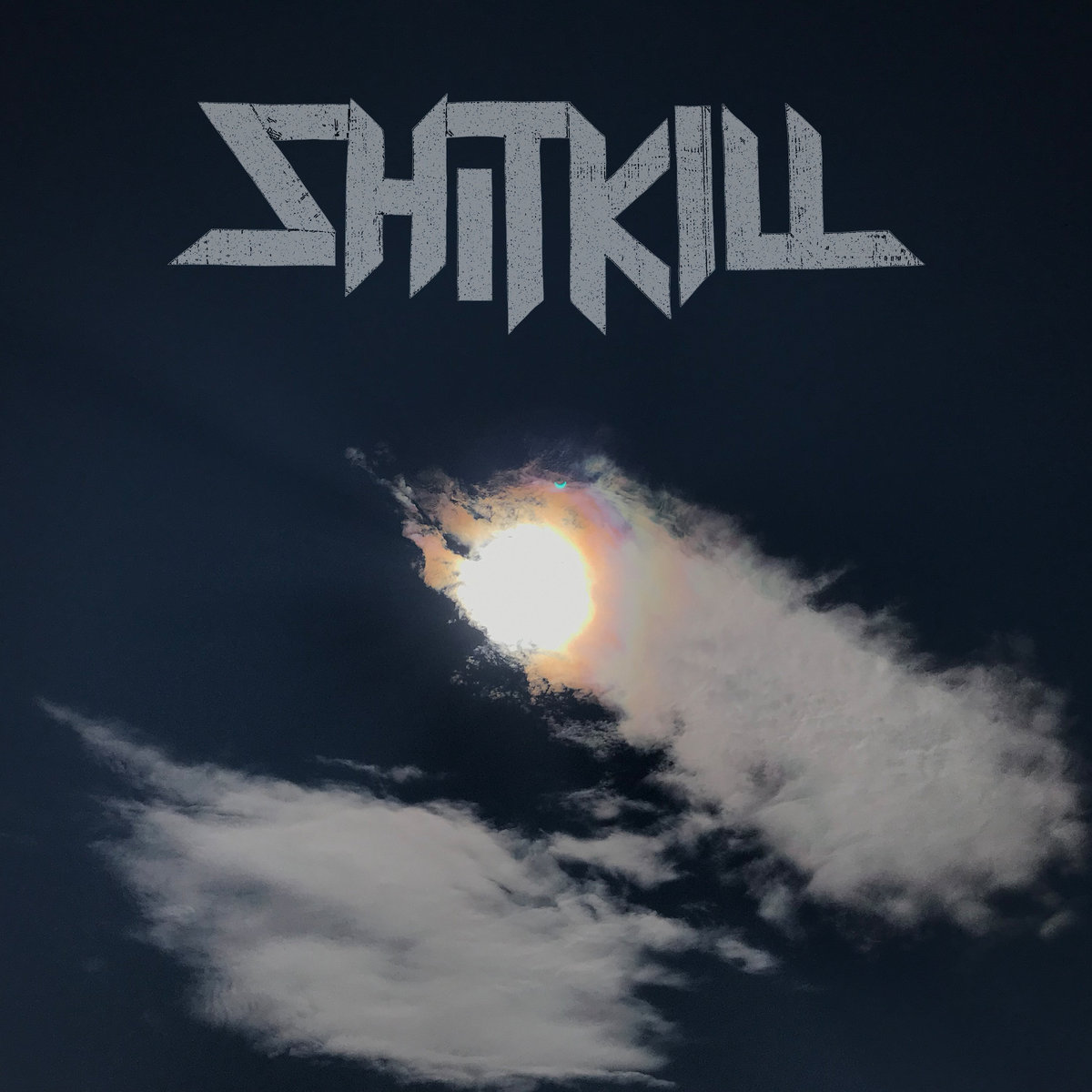
For New York's thrash community, these international developments create ripple effects throughout the local scene. Bands like ShitKill and other groove-oriented thrash acts operating in the Empire State benefit when legendary acts return to action, as it reinvigorates interest in the entire subgenre and creates new touring opportunities for supporting acts.
Venom's 45th Anniversary Becomes Metal Summit
Perhaps more significant than any single band's return was the unprecedented gathering of metal legends for Venom's 45th anniversary celebration of "Welcome to Hell." The event transformed into something resembling a metal summit meeting, with founding members Mantas and Abaddon joined by an all-star cast that reads like a who's who of extreme metal history.
The lineup of special guests represents multiple generations and subgenres of heavy music: Tom Gabriel Fischer from Celtic Frost and Hellhammer, Thomas "Angelripper" Such from Sodom, Schmier from Destruction, Piotr Wiwczarek from Vader, Attila Csihar from Mayhem, and crucially for New York metal fans, Dan Lilker from Nuclear Assault. This gathering demonstrates how Venom's influence extends far beyond their own recorded output, having directly inspired the black metal, death metal, and thrash movements that followed.
Lilker's participation in this celebration holds special significance for New York's extreme metal scene, as Nuclear Assault emerged from the same East Coast thrash movement that produced Anthrax and helped establish the region's reputation for aggressive, politically-charged metal. His presence alongside European black metal and thrash royalty reinforces New York's position within metal's international community.
International Festival Circuit Strengthens Underground Networks
The Keep It True festival's ability to attract such significant reunions and collaborations highlights the crucial role that specialized festivals play in maintaining metal's underground networks. Unlike mainstream festivals that focus on current commercial trends, events like Keep It True serve as gathering points for the metal community's most dedicated participants, creating opportunities for the kind of cross-generational and cross-regional collaboration witnessed in Venom's anniversary celebration.
These international connections benefit New York's metal scene in multiple ways. When legendary acts return to active performance, they often seek supporting acts for touring, creating opportunities for newer bands to reach international audiences. The networking that occurs at festivals like Keep It True frequently results in recording collaborations, tour packages, and other career opportunities that might not emerge through conventional industry channels.
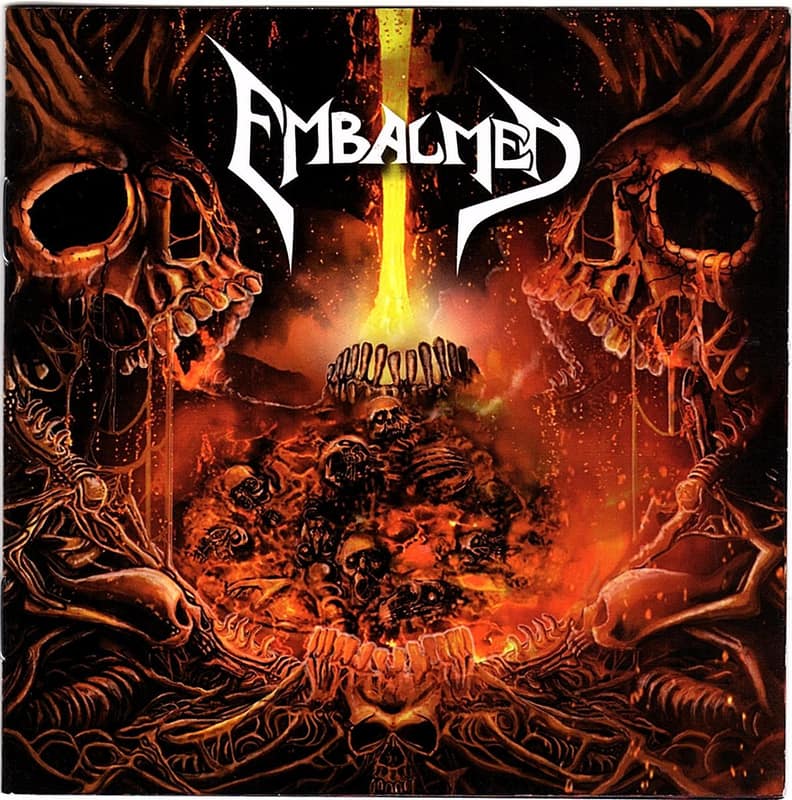
For New York's thrash and extreme metal acts, these developments signal a potentially fertile period for international exposure. Bands like Embalmed and other death-thrash crossover acts could find themselves well-positioned to capitalize on the renewed interest in underground metal's classic sounds.
Solo Projects Reshape Veteran Artist Strategies
While festival reunions capture headlines, the simultaneous emergence of high-profile solo projects suggests veteran metal musicians are pursuing multiple strategies for career longevity. John Corabi's debut solo album "New Day" represents a significant development for an artist who has navigated some of metal's most challenging career transitions, from his controversial Mötley Crüe tenure to his current role with The Dead Daisies.
Corabi's "1969" single and accompanying video demonstrate how veteran artists are using solo projects to explore creative directions that might not fit within their primary bands' established sounds. This trend toward individual artistic expression within the metal community creates new opportunities for collaboration and cross-pollination between different metal subgenres and regional scenes.
Similarly, Greek guitar virtuoso Gus G's "Steel Burner" album, featuring collaborations with former Iced Earth vocalist Matt Barlow, shows how established metal musicians are leveraging their industry connections to create projects that transcend traditional band boundaries. These collaborations often result in touring opportunities that can benefit regional scenes when veteran artists seek local supporting acts.
Genre Boundary Dissolution Creates New Opportunities
The most intriguing development emerging from these recent announcements is how traditional genre boundaries are becoming increasingly fluid. The collaboration between Black Veil Brides and Machine Head's Robb Flynn for "Revenger" represents exactly the kind of unexpected partnership that can reshape how fans and industry professionals think about metal's various subgenres.
This genre boundary dissolution has particular implications for New York's diverse metal scene, which has always featured acts that resist easy categorization. Bands like Suaka, whose experimental approach to groove metal defies traditional classifications, may find themselves better positioned in an environment where genre-crossing collaborations are becoming more common.
The trend also suggests that New York's metal community, with its history of cross-genre innovation dating back to the hardcore-metal crossover movement of the 1980s, may be entering a period where its boundary-pushing approach becomes more commercially viable. Acts that combine elements of different metal subgenres could find increased opportunities for touring, recording, and collaboration as the broader metal community becomes more receptive to genre experimentation.
Regional Scene Implications
These international developments create a complex set of opportunities and challenges for New York's metal community. The resurgence of interest in classic thrash and extreme metal sounds, demonstrated by events like the Keep It True festival, suggests that newer acts working within these traditions may find increased audience receptivity.
However, the simultaneous trend toward high-profile collaborations and solo projects raises the bar for emerging acts, who must now compete not just with their regional peers but with veteran artists who possess decades of industry connections and professional experience. This dynamic requires New York bands to develop increasingly sophisticated approaches to career development, networking, and creative partnerships.
The solution may lie in embracing the same collaborative spirit demonstrated by the veteran acts making headlines. New York's metal scene has always thrived on cooperation between acts working in different subgenres, and the current environment suggests that this collaborative approach may be more valuable than ever. Bands that can successfully navigate relationships with both local peers and international metal veterans may find themselves uniquely positioned to benefit from the underground's evolving dynamics.
For New York metal fans and musicians, these developments signal an exciting period of increased activity and visibility for underground metal sounds. Whether through festival appearances, collaboration opportunities, or the simple inspiration provided by veteran acts returning to active performance, the Empire State's metal community stands to benefit from the international scene's renewed energy and creative ambition.