Brooklyn Electronic-Metal Fusion and Anthrax Multi-Singer Vision Transform Empire State's Genre-Blending Future
The boundaries between electronic music and metal continue dissolving in Brooklyn's underground, while legendary thrash pioneers envision unprecedented vocal showcases that could redefine how New York's metal heritage gets celebrated. These developments signal a fundamental shift in how Empire State artists approach both innovation and tradition.
Brooklyn's Electronic-Metal Evolution
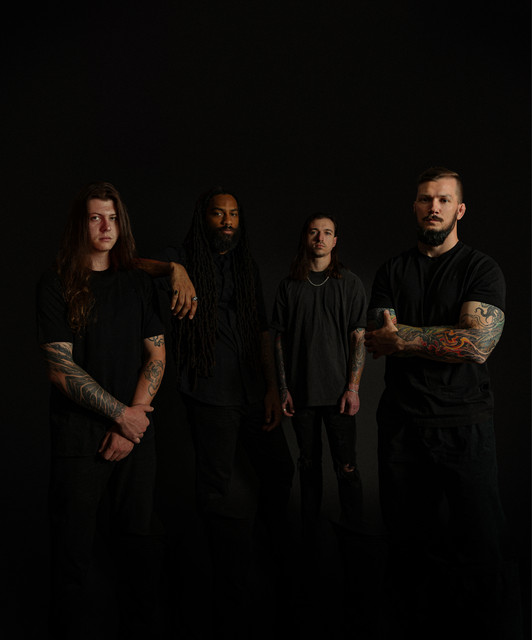
Trip Villain's latest single "Cyan Spirits" represents more than just another release from Brooklyn's electronic-metal scene—it's evidence of how the borough's experimental approach to heavy music continues pushing genre boundaries. The track showcases the sophisticated fusion of digital elements with crushing metal foundations that has become Brooklyn's signature sound.
This electronic-metal hybrid approach reflects a broader trend across New York's heavy music landscape, where artists increasingly reject traditional genre limitations. The willingness to incorporate synthesizers, drum machines, and digital processing alongside crushing guitars and aggressive vocals has created a distinctly New York sound that separates the region's metal scene from more conservative approaches elsewhere.
Brooklyn's metal venues have become laboratories for this genre-blending experimentation, with bands regularly incorporating elements that would have been considered heretical just a decade ago. The success of acts like Trip Villain demonstrates that audiences are hungry for innovation that maintains metal's essential intensity while exploring new sonic territories.
Anthrax's Ambitious Multi-Singer Concept
Meanwhile, Anthrax vocalist John Bush has proposed an intriguing concept that could revolutionize how metal bands celebrate their histories. His suggestion for special shows featuring himself alongside current vocalist Joey Belladonna and original singer Neil Turbin would create unprecedented performances showcasing different eras of the band's evolution.
This multi-singer approach could establish a new template for veteran metal acts dealing with vocalist changes throughout their careers. Rather than viewing lineup changes as divisions to overcome, Bush's vision treats them as assets to celebrate. The concept acknowledges that different singers brought distinct qualities to Anthrax's sound across various periods.
For New York's thrash metal community, such performances would represent more than nostalgia—they'd demonstrate how veteran acts can honor their complete histories while creating unique experiences impossible to replicate. The logistics of coordinating three vocalists across different songs and eras would require careful planning, but the payoff could inspire similar approaches from other veteran acts.
Deathcore's Creative Resurrection
The deathcore scene continues its creative evolution with acts like Bloodbather planning final statements that challenge the genre's typical approaches. Their upcoming farewell album demonstrates how bands are using closure as artistic opportunity, crafting definitive statements rather than simply fading away.
This approach resonates with New York's deathcore community, where acts like Face Yourself and A Wake in Providence have similarly focused on creating memorable artistic statements rather than just releasing music. The emphasis on conceptual cohesion and thematic depth reflects deathcore's maturation beyond simple brutality.
Pennsylvania's The Last Ten Seconds Of Life represents the archetypal deathcore approach—stripped down, unrelenting brutality that eschews progressive elements for pure intensity. This old-school methodology provides a fascinating contrast to the more experimental directions many deathcore acts are pursuing, suggesting the genre can support multiple philosophical approaches simultaneously.
Major Label Recognition Patterns
The news that System Of A Down, Disturbed, and other major acts have achieved billion-play milestones on streaming platforms reveals important patterns about which metal songs achieve massive mainstream penetration. These streaming successes demonstrate that certain metal tracks transcend genre boundaries to become genuine cultural phenomena.
For emerging New York metal acts, these streaming achievements provide valuable insights into what elements help metal music reach broader audiences. The billion-play club represents more than commercial success—it indicates songs that maintained relevance across multiple generations of listeners.
This streaming data also highlights the importance of memorable hooks, accessible production, and emotional resonance in metal music. While underground purists might dismiss mainstream success, these achievements demonstrate metal's capacity to impact popular culture when artists balance accessibility with authenticity.
Festival Circuit Developments
The announcement of Dethklok's spring headlining shows with support from Nekrogoblikon, XCOMM, and Bongripper indicates continued strength in metal's festival circuit. These package tours create opportunities for diverse metal subgenres to cross-pollinate audiences and introduce fans to new sounds.
Meanwhile, The Fest's 2026 lineup announcement featuring Torche alongside punk acts demonstrates how festival programming increasingly blends heavy music subgenres. This trend benefits New York metal acts by creating more diverse performance opportunities and exposing them to audiences who might not typically attend pure metal shows.
The livestream availability for major festival performances also reflects how digital distribution continues expanding metal's reach. Acts performing at events like Coachella can now simultaneously connect with global audiences, creating unprecedented exposure opportunities for participating artists.
New York's Genre-Blending Future
These developments collectively point toward a future where New York's metal scene increasingly embraces diversity in both artistic approach and business strategy. Brooklyn's electronic-metal fusion, thrash legends' multi-vocalist concepts, and deathcore's artistic ambitions all represent different paths toward innovation within metal's framework.
The state's metal acts are particularly well-positioned to capitalize on these trends. New York's cultural diversity and experimental traditions create natural advantages for artists willing to push boundaries while maintaining metal's essential intensity. The success of electronic-metal fusion in Brooklyn suggests similar opportunities exist for other genre combinations.
For veteran acts throughout the state, Anthrax's multi-singer concept provides a template for celebrating complete histories rather than focusing only on current lineups. This approach could help established New York metal bands create unique performance experiences that justify premium ticket prices while satisfying different segments of their fanbase.
The streaming success of major metal acts also demonstrates the potential rewards for New York artists who can balance underground credibility with broader appeal. While maintaining authenticity remains crucial, these billion-play achievements prove that metal can reach massive audiences without compromising its essential character.
As 2026 progresses, New York's metal scene appears positioned to lead rather than follow these industry trends. The state's combination of established metal heritage and experimental innovation creates unique opportunities for artists willing to embrace both tradition and change. Whether through electronic fusion, multi-vocalist celebrations, or conceptual albums, Empire State metal continues evolving while maintaining the intensity that defines the genre.