Torn-Up Seats in LA, Torn-Up History Books: What Slayer's Forum Chaos Means for New York's Own Crowd Culture

Every so often a story breaks that has nothing directly to do with New York and yet every promoter, bartender, and security guard in this state still feels it in their bones. That's exactly what happened over the weekend when Slayer's second 40th-anniversary "Reign In Blood" show at the Kia Forum in Los Angeles got halted mid-set because fans were literally ripping seats out of the floor. Tom Araya, never one to mince words, came back out and told the crowd to "behave like human f***ing beings" before the band could finish the night. It's a wild story on its own, but it's also a useful mirror for anyone who books, works, or mosh-pits their way through venues up and down New York.
New York has no shortage of rooms that have had their own close calls — barricades buckling, pits spilling into soundboards, the occasional stage dive gone wrong at a packed basement show in Brooklyn or a sold-out metalcore bill upstate. The difference between a legendary night and a shut-down nightmare usually comes down to a thin margin of respect between the band, the crowd, and the room itself. Slayer's situation at a 17,500-capacity arena is obviously a different scale than most New York metal bands will ever deal with, but the lesson scales down just fine: venues aren't disposable, and the person standing next to you in the pit isn't an obstacle. If you're heading out to any of the upcoming shows on the calendar this winter, that's worth keeping in mind before the first riff even drops.
Legacy Acts Are Busy Writing Their Own History Books
While Slayer was busy nearly losing control of a Forum crowd, two other veteran outfits were quietly finalizing how their stories get told for the next generation. KISS used a panel at "KISS Kruise: Land-Locked In Vegas '26" to announce a 2027 live box set documenting their legendary 1977 run at Tokyo's Budokan, while Sepultura confirmed — just days before their actual farewell show in São Paulo on November 7 — that a 40-song live album covering their entire final tour is also coming in 2027. Two very different bands, two very different eras, but the same instinct: when the stage lights finally go dark on a chapter, document it properly instead of letting it fade into bootleg tape hiss.
That instinct for archiving isn't just a legacy-band luxury. New York's own thrash and extreme metal lineage deserves the same treatment, and plenty of bands here are quietly building catalogs worth remembering decades from now. Brooklyn's own Black Anvil has spent years blending thrash riffing with black metal atmosphere in a way that feels distinctly New York, and it's the kind of regional output that deserves the same long-view respect we're giving KISS's Budokan tapes or Sepultura's final bow. If you're building a personal list of the best metal albums of all time, don't sleep on digging through what's been coming out of this state's underground for the last decade — a lot of it holds up.
The Drummers Are Talking, and They've Got Opinions
Two drumming stories landed this week that, read together, say a lot about where metal's rhythm section culture is headed. Avatar's John Alfredsson told Krogi that Metallica's Lars Ulrich — specifically the orchestral "S&M" era — is the reason he picked up sticks in the first place, calling him someone who "will blow you away." Meanwhile, over on the KISS Kruise, Eric Singer used a fan Q&A to tear into drummers who charge money for basic advice, essentially saying mentorship shouldn't come with an invoice attached.
Both stories point to the same underlying truth: drumming in metal is still treated as a craft passed down generation to generation, not a product to be monetized at every turn. That matters here in New York, where the density of bands packed into death metal, grindcore, and heavy metal bills means drummers are often the connective tissue holding a scene together — playing in three bands at once, teaching the next kid who shows up at practice space with a beat-up kit and too much ambition. Acts like Thrasher, working across death metal, grindcore, and heavy metal territory, exist in exactly that kind of ecosystem, where rhythm section chops get earned on stage, not sold in a DM. It's a good moment to remember that the best heavy metal songs are usually the ones where the drummer isn't just keeping time but actively arguing with the riff.
Quick Hits From the Road and the Studio
Papa Roach's Jacoby Shaddix gave an update to Poland's Pełna Kulturka confirming the band is roughly halfway through writing and recording their twelfth studio album, the follow-up to 2022's "Ego Trip." Shaddix's note that they're "taking our time with this one" is a small but telling detail — in an era where bands are pressured to churn out content on a relentless cycle, a legacy act choosing patience is its own small act of defiance. It's also a reminder that among metal bands touring 2026 and beyond, the ones still worth paying attention to are often the ones not rushing the next release just to stay in the algorithm.
Elsewhere, Black Sabbath's Tony Iommi sat down with Norwegian vocalist Jorn Lande for a 15-minute "official" interview about their collaborative solo album "From The Dark," out since October 23 via BMG. Iommi at this stage of his career doesn't need to do much of anything, and the fact that he's still actively building new material with a singer of Lande's caliber says something about the enduring pull of riff-first songwriting that originated with 80s metal bands and, frankly, with Sabbath themselves decades before that.
Black Metal's Accidental Pop Culture Origin Story
One of the more fun reads to come out of this week wasn't really news at all — it was Metal Injection's dive into how Michael Jackson, of all people, accidentally gave black metal its name. The short version: Venom's Cronos wasn't exactly thrilled about comparisons to "Beat It" back in the day, and the resulting friction helped cement "black metal" as a term distinct from the mainstream pop machine Jackson represented. It's a reminder that genre names are rarely born in boardrooms — they're born out of bands trying to draw a hard line between themselves and whatever's dominating the radio.
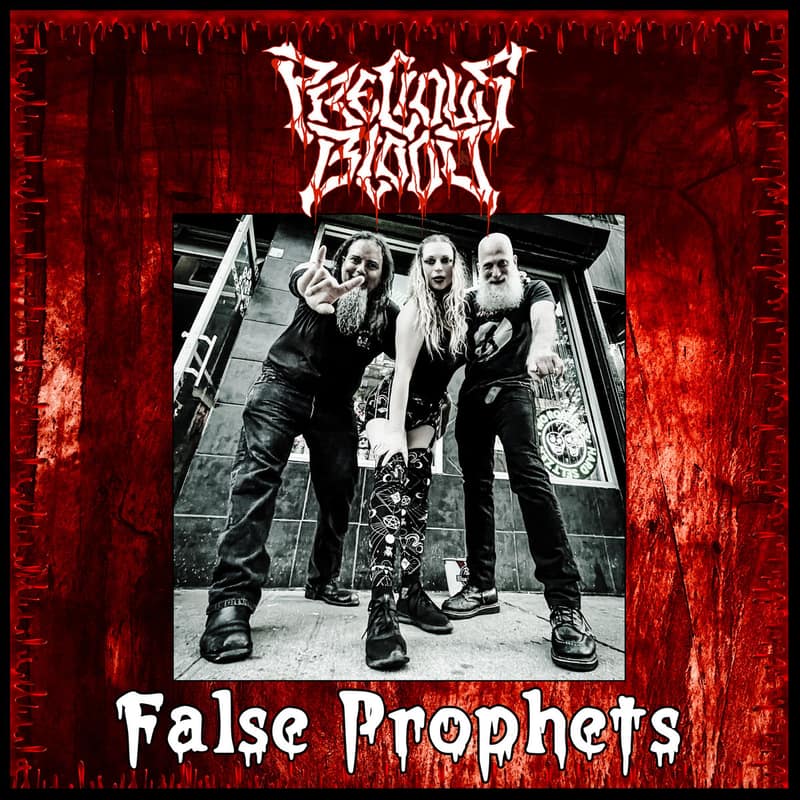
New York's black metal scene has been drawing its own lines for years now, and it's a genuinely deep well. Arts represents exactly the kind of uncompromising black metal project this state keeps producing, and they're far from alone — Mutilation Rites, Vintertodt, Precious Blood, and Skeletal Mass are all operating in that same raw, unfiltered corner of the genre that traces its lineage straight back to the Cronos-versus-pop-charts energy that kicked the whole thing off decades ago. If you're trying to map the state of new metal bands 2026 has to offer in this specific lane, start digging through New York's black metal underground — it's more active than most casual fans realize.
Industrial Metal's Long Shelf Life
Metal Injection also dropped a list of ten industrial metal albums that have aged incredibly well, a genre built on the collision of machines, samples, and riffs that's been running for more than three decades now. It's a genre that doesn't get nearly enough regional coverage, especially given how much experimental and genre-blending work is happening in New York's underground right now. Bands working in more experimental and technical death metal territory, like Cognitive Collapse, show that the appetite for machine-precision riffing paired with something stranger underneath hasn't gone anywhere — it's just mutated into new forms.
Keep the New York Scene Documented
From Slayer's crowd-control headaches to KISS and Sepultura archiving their own histories, this week's headlines were all about the tension between chaos and preservation — letting a moment burn hot versus making sure it's remembered right. New York's metal, punk, and heavy music scene deals with that same tension every single weekend, in rooms far smaller than the Forum but with just as much riding on getting the night right. If your band is out there building that history right now, don't let it go undocumented — submit your band and make sure it's part of the record.