Carnivore A.D. Flies New York's Hardcore Flag to Europe, While Cradle of Filth Lights Up the City
There's a particular flavor of New York metal that doesn't translate well on paper but hits instantly in a room: the collision of hardcore stomp, thrash riffing, and street-level menace that's been baked into this state's scene since the Sunday matinees at CBGB. This week, that lineage got a passport stamp, a national veteran's drumming legacy got its flowers, and the city's clubs hosted one of the more chaotic bills of the fall. Let's get into it.
Carnivore A.D. Takes New York's Hardcore Pedigree to Europe
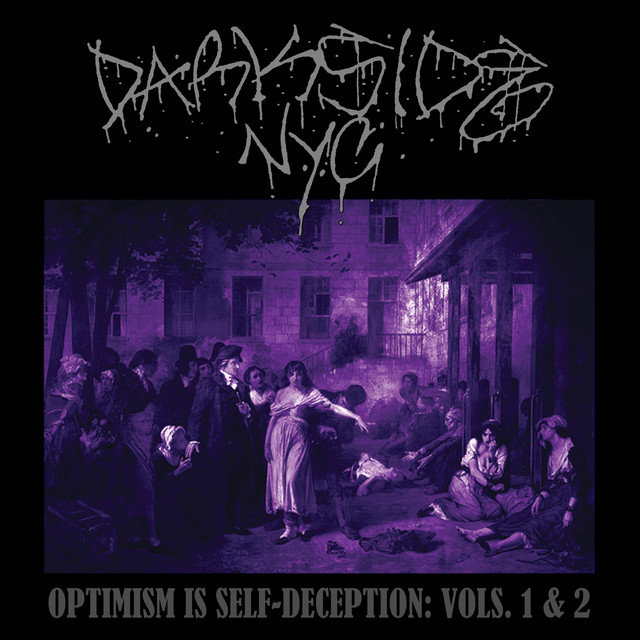
CARNIVORE A.D. has announced the "Transmutation European Tour 2027," eight dates overseas built around the release of their music video for "I Stand Alone." What makes this one worth flagging for a New York audience isn't just the tour itself — it's the roster. Bassist/vocalist Baron Misuraca, who also fronts Darkside NYC and has done time in Sheer Terror, is joined by guitarist Chuck Lenihan (Crumbsuckers, Christian Death) and drummer Joe Cangelosi, whose résumé includes stints in Kreator, Massacre, and Whiplash. That's not a lineup you assemble by accident — it's three separate strands of New York's hardcore-thrash underground braided into one touring unit.
It's a good reminder of how deep this state's bench actually runs. Bands like Darkside NYC don't need a Spotify algorithm to matter; they matter because the people playing in them have been foundational to how New York crossover and thrash sound for decades. When a project built from those pedigrees books a European run for 2027, it's a small but real signal that metal bands touring 2026 and beyond are increasingly leaning on exactly this kind of lived-in credibility rather than chasing trend cycles.
Cradle of Filth, Worm, and a Genuinely Strange NYC Bill
Over in the city proper, photographer P. Neton was on hand to document Cradle of Filth sharing a stage with Black Satellite, Black Braid, and Worm — a bill that, on paper, reads like three different metal subcultures got shoved into the same elevator. That's part of what makes New York's live scene special right now: you can watch British symphonic black metal veterans headline a night that also features homegrown atmospheric and doom-leaning acts without anyone blinking. The city's venues have always been comfortable with that kind of genre whiplash, and nights like this one are a reminder that New York metal shows remain some of the most unpredictable — and rewarding — on any given calendar. If you're looking for your next one, the upcoming shows listings are the place to start plotting your fall.
It's worth saying plainly: this is the kind of booking that keeps New York's reputation intact as one of the best regional scenes in the country for discovering new metal bands 2026 will eventually be talking about. A touring headliner with real international weight sharing a bill with regional openers isn't charity — it's how scenes actually get built.
Marty Friedman on Nick Menza: A Drumming Legacy Worth Remembering
Former Megadeth guitarist Marty Friedman sat down with Chile's La Pajarera podcast recently and got asked about late Megadeth drummer Nick Menza, offering a pointed take on his overlooked importance:
Friedman credited Menza's drumming as a significant factor in Megadeth's mainstream breakthrough, suggesting his playing deserves more recognition than it typically gets in conversations about the band's classic lineup.
It's a worthwhile thing to sit with, because drummers are so often the most underappreciated architects of a band's sound — the ones holding the whole structure together while the guitarists get the magazine covers. New York has its own long tradition of underrated percussive engine rooms, from the progressive complexity found in bands like Transatlantic and Liquid Tension Experiment to the pummeling simplicity that powers the state's hardcore and thrash underground. Friedman's comments are a good excuse to go back and actually listen to what the drummer is doing on a record you think you know cold.

The Old Guard Keeps Talking, and It's Worth Listening
A few other national stories this week are less New York-specific but still worth a mention, because they touch on themes this scene knows intimately: survival, health, and what it costs to stay in this business for decades.
Zakk Wylde revisited his 1995 jam sessions with Guns N' Roses on the Go With Elmo Lovano podcast, saying plainly that while "we had a good time," nothing ever materialized into an actual offer. It's a small footnote in rock history, but it's a reminder of how many "almost" lineups exist in the shadows of the bands we actually got.
Heavier news came from Mötley Crüe's Nikki Sixx, who spoke to USA Today about bandmate Vince Neil's health following his fourth stroke in December 2024. Sixx didn't mince words about the criticism Neil has absorbed over the years for his live vocals, framing it as context that matters more now than ever. And Alice Cooper, on his "Devil On My Shoulder" UK book tour, got candid at a Glasgow stop about the depths of his cocaine addiction — specifically naming three albums he has zero memory of writing, recording, or touring behind.
None of these stories happened in New York, but they land here anyway, because this state's scene has always had an unusually strong relationship with its elders. Bands like Anthrax and the late, essential Type O Negative are permanent fixtures in how New York metal fans measure everything that came after. Stories about Sixx, Wylde, and Cooper reckoning with mortality and legacy in real time hit differently when you've grown up idolizing bands from the same era who are still, miraculously, standing.
Where New York's Underground Fits Into the Bigger Picture
It's easy for national headline cycles to skip past the unglamorous, unbooked, un-press-released work happening in basements and DIY spaces across the state, but that work is what keeps the scene's foundation solid. The city's grindcore corner — acts like Ate — keeps operating well outside the festival-bill conversation, which is exactly the point. Grindcore has never needed a spotlight to function; it thrives on word of mouth, short sets, and rooms that smell like a basement because they are one.
There's also a quieter but real undercurrent of New Wave of Traditional Heavy Metal energy building in this state that doesn't get nearly enough ink. Acts leaning into classic riffing and 80s metal bands-inspired songwriting — the kind of stuff that treats Judas Priest and Accept as scripture rather than nostalgia — represent one of the more underserved corners of the regional scene. It's the kind of thing that doesn't generate press releases but absolutely generates the best heavy metal songs you'll hear at a packed Thursday night show in Brooklyn or Buffalo. If you're a band working in that pocket, or frankly any pocket of this state's wildly diverse scene, the submit your band page exists specifically so we don't miss you.
Between a Carnivore A.D. lineup stacked with New York hardcore royalty, a Cradle of Filth bill that scrambled genre expectations in the best way, and a national news cycle that keeps circling back to what it means to survive decades in this business, this week offered a pretty complete snapshot of why New York remains one of the most durable, self-sustaining metal ecosystems in the country. The best metal albums of all time didn't get made by bands chasing trends, and the best metal bands working today — local or international — still understand that. New York's scene has never needed permission to keep building. It just keeps building.