Anniversary Tours and Family Legacy Bands Drive Metal's Nostalgic Surge While Health Battles Test Industry Resilience
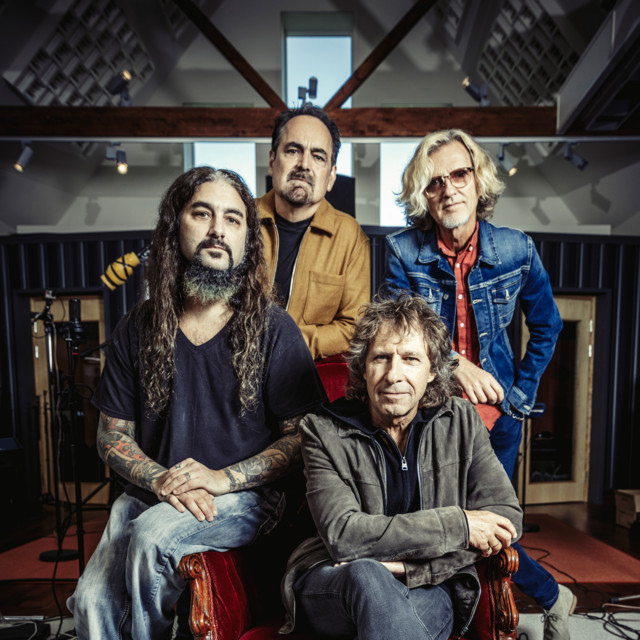
The metal world finds itself caught between celebration and concern this week, as anniversary tours capitalize on nostalgic revenue streams while health challenges remind us of the human cost behind the music. Staind's announcement of their "Break The Cycle - 25th Anniversary Live" release exemplifies how established acts are mining their catalog depths, while emerging family legacy bands like Bastardane prove that metal's generational torch continues burning bright.
Anniversary Circuit Becomes Revenue Lifeline
Staind's decision to release a live recording of their entire 2001 breakthrough album "Break The Cycle" represents more than mere nostalgia—it's strategic business. Set for August release via BMG/Alchemy Recordings, this 13-track live document captures the Massachusetts quintet revisiting the material that launched them into mainstream metal consciousness over two decades ago.
The anniversary tour phenomenon has become increasingly crucial for metal bands navigating today's challenging economic landscape. Unlike new material, which requires extensive promotion and faces uncertain reception, classic albums carry built-in audience demand. For bands like Staind, whose commercial peak occurred during the nu-metal explosion, revisiting breakthrough records offers guaranteed draw for venues and streaming platforms alike.
This trend resonates particularly within New York's metal community, where established acts face similar pressures to balance artistic growth with financial sustainability. Progressive metal innovators like Long Island progressive metal supergroup Transatlantic understand the delicate balance between honoring past achievements and pushing creative boundaries—a challenge that anniversary tours both address and complicate.
Legacy Through Bloodlines: Metal's Next Generation
While established acts mine their past, metal's future increasingly flows through family connections. Bastardane, featuring Metallica frontman James Hetfield's son Castor on drums and vocals, released their music video for "Mother's Tongue" this week, showcasing how metal's genetic legacy transcends simple nepotism.
The track, produced by Gojira's Joseph Duplantier and captured by Dan Joe in professional studio settings, demonstrates that second-generation metal musicians face the same creative pressures as their peers. Castor Hetfield's dual role as drummer and vocalist suggests an artistic ambition that extends beyond riding parental coattails—a necessary evolution in an industry that quickly exposes pretenders.
This generational handoff carries particular significance for New York's metal scene, where family musical traditions run deep across multiple genres. The state's rich hardcore and metal history has created numerous musical dynasties, with younger musicians inheriting both opportunities and expectations from their predecessors' achievements.
Health Crises Force Industry Reckoning
The Wildhearts frontman Ginger's recent revelation about his three-year cancer prognosis serves as a stark reminder that metal's road-warrior culture exacts serious physical tolls. Speaking at Download Festival, Ginger's approach of "living every second in the moment" reflects both personal courage and broader industry awareness about health sustainability.
These health challenges ripple through the metal community in ways that extend beyond individual tragedies. Tour schedules, album promotion cycles, and fan expectations must all adapt when key musicians face serious illness. For regional scenes like New York's, where touring acts regularly cycle through multiple venues across the state, health-related cancellations create cascading effects for promoters, venues, and supporting bands.
The physical demands of metal performance—from extreme vocal techniques to high-energy stage presence—require long-term health planning that many musicians only address after problems emerge. Ginger's openness about his diagnosis may encourage more proactive health discussions within metal's traditionally stoic culture.
Production Values and Collaborative Evolution
The involvement of established producers like Joseph Duplantier in emerging projects like Bastardane highlights metal's increasingly collaborative production landscape. Daughtry's announcement that they're working with Jordan Fish on their follow-up to 2021's "Dearly Beloved" continues this trend toward high-profile producer partnerships.
These collaborations represent more than simple prestige associations. Experienced producers bring technical expertise, industry connections, and creative perspectives that can elevate emerging acts beyond their initial capabilities. For New York bands navigating competitive regional and national markets, producer choice can determine whether releases achieve broader recognition or remain local curiosities.
The emphasis on video production quality, evident in Bastardane's professional Calum Palmer-directed "Mother's Tongue" clip, reflects current industry standards where visual presentation equals sonic achievement in importance. Regional acts must now budget for professional video production alongside traditional recording costs—a reality that challenges emerging bands but rewards those who adapt successfully.
Controversy and Cultural Commentary
All That Remains vocalist Phil Labonte's controversial statements about mental health and masculinity demonstrate how metal musicians increasingly function as cultural commentators beyond their musical output. His assertion that "therapy is for women" and that "men don't solve their problems by talking" sparked significant backlash across metal media platforms.
These statements reflect broader cultural tensions that metal music has historically navigated through aggressive expression rather than direct political commentary. Labonte's approach—publishing a 2024 memoir and engaging in podcast interviews—represents a more explicit form of cultural engagement that carries both opportunities and risks for metal artists.
For New York's diverse metal community, such controversies highlight the challenge of balancing personal expression with inclusive scene-building. The state's metal venues and festivals must navigate these tensions while maintaining welcoming environments for fans across demographic and ideological spectrums.
Safety and Technical Challenges
Evanescence's Tampa concert fire incident, where a side curtain ignited during "Calm Down," underscores the technical risks inherent in modern metal production. These safety challenges affect every level of metal touring, from arena headliners to club shows, requiring constant vigilance from production crews and venue staff.
Similarly, Snot frontman Andy Knapp's "significant leg injury" from a stage dive in Chester illustrates how metal's physical performance traditions carry real injury risks. Despite his injury, Knapp's commitment to continuing the tour reflects metal's professional expectations—a dedication that can sometimes prioritize shows over performer safety.
New York venues hosting metal shows must balance these performance traditions with safety requirements, creating environments where artists can maintain authentic stage presence while minimizing injury risks. This balance becomes increasingly complex as production values escalate and performer expectations intensify.
Regional Scene Implications
These national developments create specific opportunities and challenges for New York's metal community. The anniversary tour trend suggests potential for local veterans to revisit their catalog highlights, while emerging bands can study how family legacy acts like Bastardane navigate inherited expectations.
Health awareness discussions sparked by cases like Ginger's diagnosis may encourage more proactive wellness approaches within New York's touring circuit. The state's medical infrastructure and proximity to major treatment centers positions it well to support musicians facing serious health challenges.
Most importantly, the emphasis on professional production values and safety standards affects how New York venues and promoters approach upcoming shows. Regional acts must now meet higher expectations for visual presentation, technical execution, and safety protocols—challenges that reward preparation but can overwhelm unprepared performers.
As metal continues evolving through generational changes, health challenges, and production innovations, New York's scene remains positioned to adapt and thrive through its combination of established venues, diverse talent, and supportive infrastructure.