Farewell Tours and Anniversary Celebrations Define Metal's Commemorative Moment as Legacy Acts Embrace Historical Performance
The metal world finds itself in an unprecedented era of commemoration, where farewell announcements and anniversary celebrations are reshaping how legendary acts engage with their legacies. From Sepultura's final bow to Slayer's extended victory laps, veteran metal bands are transforming traditional touring models into elaborate historical performances that honor both their catalogs and their fans' devotion.
The Art of the Metal Farewell
Sepultura's announcement of their final concert, scheduled for November 2026 at São Paulo's Mercado Livre Arena Pacaembu, represents more than just another farewell tour—it's a carefully orchestrated celebration of four decades of metal evolution. The Brazilian legends have chosen their homeland for this ultimate performance, bringing their journey full circle in a way that acknowledges both their roots and their global impact.
What makes this farewell particularly significant is its singularity. Rather than extending the goodbye across multiple tours and years, Sepultura has committed to one definitive moment. This approach contrasts sharply with the extended farewell model that has become common in rock and metal, where "final" tours often multiply into series of last chances for fans to witness their heroes.
The decision to make this a singular event transforms the concert from mere performance into historical document. Fans worldwide will converge on São Paulo not just to hear the songs, but to witness the end of an era. This concentrated approach creates an intensity and significance that marathon farewell tours often dilute through repetition.
Anniversary Tours as Sonic Archaeology
While some bands prepare their final acts, others are diving deeper into their histories through specialized anniversary performances. Kreator's recent "deep cuts" set at Maryland Deathfest exemplifies this trend, focusing exclusively on material from their classic 1980s albums "Pleasure To Kill," "Terrible Certainty," and "Extreme Aggression." This wasn't simply a greatest hits performance—it was sonic archaeology, unearthing tracks that rarely see live performance.
The German thrash legends' approach represents a growing sophistication in how 80s metal bands present their catalogs. Rather than relying on the same rotation of crowd-pleasers, these deep dive performances acknowledge that longtime fans crave the album tracks, the B-sides, and the forgotten gems that shaped their musical DNA. For metalheads who've been following these bands for decades, hearing "Terrible Certainty" deep cuts live becomes an almost sacred experience.
Slayer's continued extension of their "Reign in Blood" anniversary celebrations demonstrates another approach to catalog commemoration. By stretching these anniversary performances across multiple shows and venues, they're creating repeated opportunities for fans to experience one of the best metal albums of all time in its entirety. Each performance becomes both a singular event and part of a larger celebration of the album's enduring impact.
Modern Metal's Touring Renaissance
While legacy acts focus on commemoration, contemporary metal bands are embracing ambitious touring strategies that signal confidence in the genre's continued vitality. Periphery's announcement of their "A Pale White Dot" fall tour, featuring Ne Obliviscaris, Greyhaven, and Ando San, represents the kind of progressive metal package that creates excitement across multiple fan bases.
This type of carefully curated touring package reflects how new metal bands 2026 are approaching live performance as collaborative art form. Rather than simply pairing similar acts, these tours create musical conversations between artists working in related but distinct territories. Periphery's technical precision paired with Ne Obliviscaris's symphonic complexity and Greyhaven's post-hardcore energy creates a sonic journey that justifies the ticket price through diversity rather than just headliner recognition.
Down's upcoming North American tour with Helmet and Spirit in the Room represents another model entirely—the supergroup showcase. Philip Anselmo's post-Pantera project continues to attract audiences not just for the music, but for the opportunity to witness veteran musicians exploring different creative territories. These performances carry the weight of history while pursuing new musical directions.
For New York's metal scene, these touring models offer different lessons in sustainability and artistic integrity. Local acts like Long Island death metal practitioners Cryptic can observe how legacy acts balance catalog celebration with creative evolution, while emerging bands study how contemporary tours create value through collaboration rather than competition.
The Mystery Campaign Strategy
Protest The Hero's recent social media blackout demonstrates how established acts are borrowing from contemporary digital marketing while maintaining their artistic credibility. The complete erasure of their online presence, followed by cryptic messaging, creates anticipation without revealing content. This approach acknowledges that modern fans expect digital engagement while respecting their intelligence enough to avoid obvious manipulation.
This strategy works particularly well for progressive metal and post-hardcore acts whose audiences appreciate complexity and subtlety. The blackout becomes performance art itself, creating speculation and discussion that traditional promotional campaigns often fail to generate. When the reveal eventually comes, it will benefit from the anticipation this mysterious approach has cultivated.
Regional Scene Implications
These national and international touring strategies create specific opportunities for New York metal scene development. The state's geographic advantage—proximity to major markets, diverse venue infrastructure, and established metal audience—positions local acts to benefit from the increased touring activity these trends represent.
Legacy acts' focus on deep catalog performance validates the approach many regional bands take toward their own material. Rather than abandoning older songs in favor of new releases, bands can embrace their entire creative history as equally valid performance material. This approach extends career longevity while satisfying longtime fans who invested in the complete artistic journey.
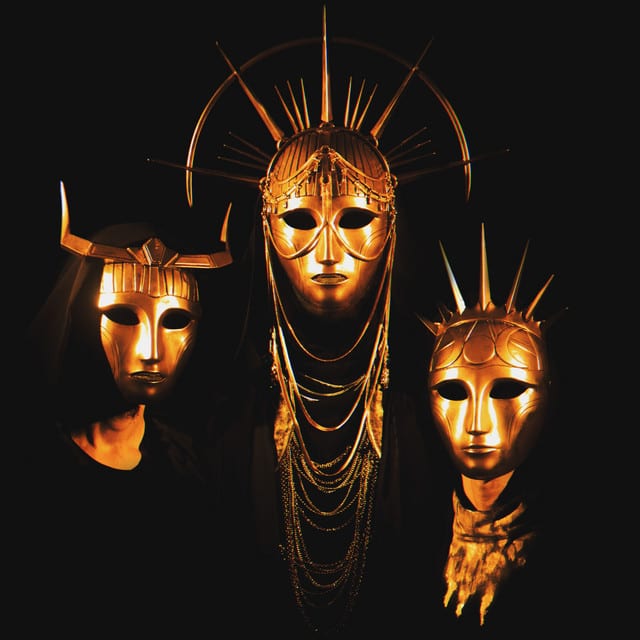
The collaborative touring model exemplified by packages like Periphery's "A Pale White Dot" tour suggests opportunities for regional bands to create their own cross-genre partnerships. New York's metal diversity—from the experimental sounds of Manhattan avant-garde extremists Imperial Triumphant to traditional heavy metal practitioners throughout the state—provides the foundation for innovative touring partnerships that could attract attention beyond regional boundaries.
The Economics of Metal Commemoration
These farewell and anniversary tours represent sophisticated business strategies disguised as artistic statements. By creating scarcity—whether through final performances or rare deep cuts—veteran acts transform routine touring into must-see events. This approach allows them to command premium pricing while delivering experiences that justify the cost through their historical significance.
For regional scenes, this model suggests that artificial scarcity isn't necessary to create value. Instead, local acts can focus on genuine rarity—unique collaborations, special venues, or performance concepts that offer experiences unavailable elsewhere. The key lies in understanding what makes each performance irreplaceable rather than simply rare.
The success of these commemoration-focused tours also demonstrates metal fans' willingness to invest in experiences that connect them with the genre's history. This suggests opportunities for regional scenes to create their own historical celebrations—anniversary shows for local landmarks, tribute performances for influential regional acts, or festivals that celebrate specific scenes or eras.
Looking Forward Through the Rearview
As metal bands touring 2026 embrace these commemorative approaches, they're establishing new relationships with their own histories and their audiences' expectations. The most successful acts are those finding ways to honor their pasts while maintaining creative momentum, whether through selective deep cuts, collaborative partnerships, or innovative presentation strategies.
For New York's metal community, these developments suggest that longevity comes not from abandoning the past but from finding new ways to present it. Whether through upcoming shows that celebrate local metal history or new partnerships that bridge generational gaps, the current moment offers unprecedented opportunities for scene development built on both innovation and commemoration.
The metal world's current focus on farewell tours and anniversary celebrations isn't about nostalgia—it's about transformation. By treating their histories as living documents rather than museum pieces, veteran acts are creating new models for career longevity that regional scenes can adapt and evolve for their own purposes.