Session Drummers and Vegas Residencies Reshape Metal's Professional Landscape as Classic Thrash Icons Adapt to Modern Touring Demands
The modern metal touring landscape is undergoing a fundamental transformation, as evidenced by recent developments that highlight how legendary acts are adapting to contemporary professional demands while maintaining their artistic integrity. From emergency drummer substitutions to strategic residency performances, the industry's approach to live music delivery is evolving in ways that create new opportunities for both established acts and emerging regional talent.
Professional Flexibility Takes Center Stage
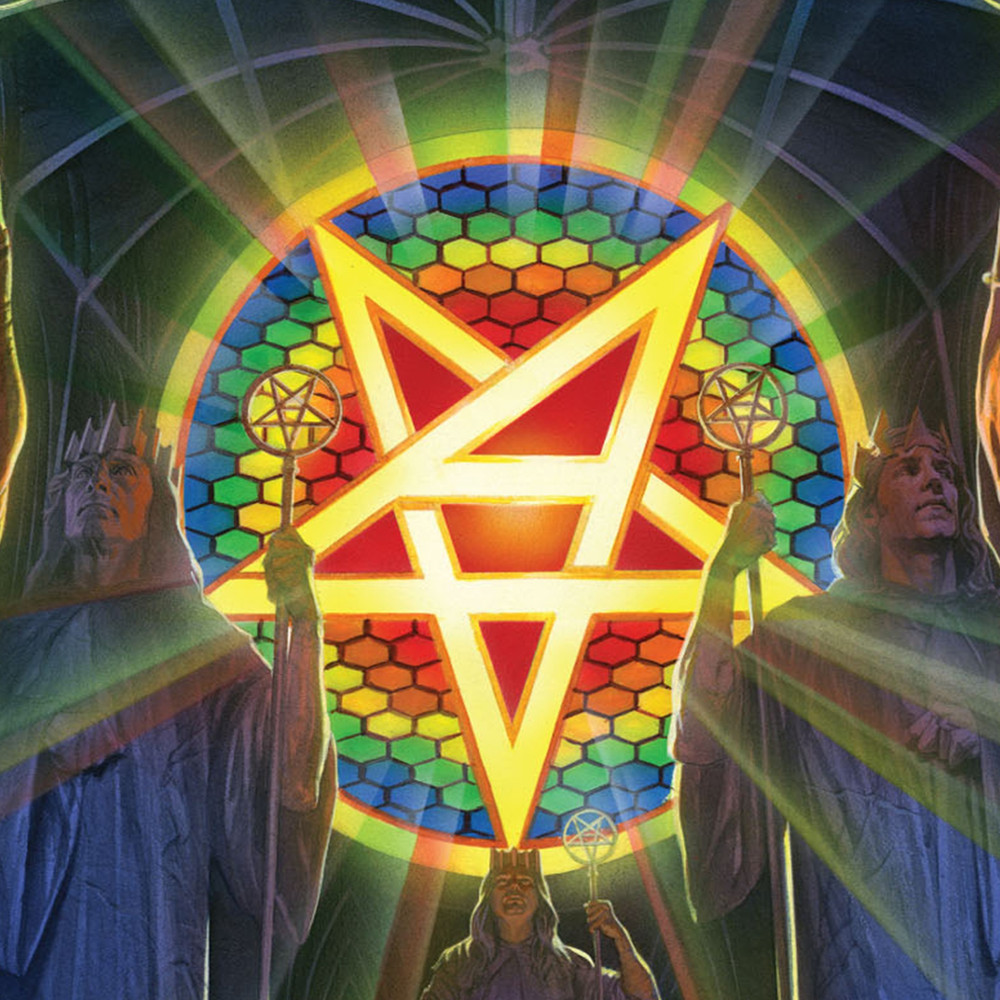
The most striking example of this evolution comes from Anthrax, who recently demonstrated the power of professional adaptability during their high-profile support slot with Iron Maiden in Athens, Greece. When circumstances required a last-minute drummer change, the New York thrash legends turned to acclaimed British session musician Darby Todd to handle percussion duties. This move represents more than just a practical solution—it signals a broader shift in how established metal acts approach touring logistics.
The decision to utilize session musicians for major performances reflects the increasing professionalization of metal touring. Where once bands might have canceled or postponed shows due to lineup issues, today's acts are embracing the flexibility that comes with working alongside skilled professionals who can seamlessly integrate into established setlists and performance dynamics.
For New York's metal scene, Anthrax's approach offers valuable lessons about maintaining momentum in an industry where consistent touring presence directly impacts career longevity. Local thrash acts like Explicit Death and Soultrap can observe how veteran bands navigate challenges while keeping their touring schedules intact, providing a blueprint for sustainable career management in an increasingly demanding industry.

Vegas Residencies Redefine Performance Strategy
Meanwhile, Def Leppard's ongoing Las Vegas residency strategy demonstrates another significant evolution in how best metal bands approach live performance in 2026. Their recent professionally filmed performance of Depeche Mode's "Personal Jesus" during their Caesars Palace residency showcases how established acts are using stationary performance runs to explore creative territory that traditional touring might not accommodate.
The residency model offers several advantages that traditional touring cannot match: consistent technical setups, opportunities for extended rehearsal periods, and the ability to experiment with covers and deep catalog material without the logistical constraints of nightly venue changes. This approach allows bands to deliver more polished performances while reducing the physical and financial toll of constant travel.
For regional scenes like New York's, the residency concept offers intriguing possibilities. While most local acts lack the drawing power for extended Vegas runs, the underlying principle—establishing regular performance bases that allow for creative experimentation—could translate to monthly or quarterly residencies at venues throughout the state.
Genre Boundaries Continue Dissolving
The convergence of different musical approaches is becoming increasingly apparent across metal's landscape. Rick Rozz's comments about his new project Left to Die reveal how classic death metal practitioners are openly acknowledging influences from thrash and black metal pioneers like Slayer and Venom, creating hybrid sounds that reflect metal's interconnected evolution.
This genre fluidity creates opportunities for New York's diverse metal community, where bands spanning from the groove metal approach of Code 6 to the technical death metal precision of Monument can find inspiration in how veteran acts are combining influences across subgenre boundaries.

The willingness of established musicians to explicitly reference their influences while creating new material demonstrates how the best heavy metal songs often emerge from honest acknowledgment of musical debt rather than attempts to create entirely original sounds. This approach validates the cross-pollination that naturally occurs in regional scenes where bands from different backgrounds share stages and rehearsal spaces.
International Touring Demands Strategic Planning
Iron Maiden's "Run For Your Lives" world tour launch and Megadeth's South American performances highlight how major metal acts are approaching international touring with increasingly strategic mindsets. The inclusion of rarely performed material like "Infinite Dreams" in Iron Maiden's setlist demonstrates how established acts are using tour launches to create unique experiences that differentiate each leg of extended touring cycles.

This strategic approach to setlist construction offers lessons for metal bands touring 2026 at all levels. By treating each performance as an opportunity to provide distinct experiences rather than identical reproductions, acts can maintain audience engagement across multiple tour legs and regional markets.
The professional documentation of these performances through official video releases also illustrates how modern metal acts are leveraging touring content for extended promotional cycles, creating multiple revenue streams from single performance investments.
Academic Achievement Meets Metal Credibility
Dexter Holland's delivery of USC's commencement address represents another facet of metal's evolving relationship with mainstream culture. The Offspring frontman's academic credentials—including a PhD in molecular biology—demonstrate how metal musicians are increasingly recognized for achievements beyond their musical contributions.
This trend toward multi-dimensional artistic identity creates new possibilities for how metal musicians can build sustainable careers. Rather than relying solely on touring and recording income, today's metal artists can leverage diverse skill sets and educational backgrounds to create multiple revenue streams and maintain relevance across different cultural spheres.
Regional Implications and Future Directions
These developments collectively point toward a metal industry that rewards adaptability, professionalism, and strategic thinking over pure artistic passion alone. For New York's metal scene, these trends create both challenges and opportunities.
The emphasis on session musician integration suggests that local acts should develop relationships with skilled players who can provide backup support during crucial performances. The residency model indicates potential for establishing regular performance bases that allow for creative development. The genre-blending approach validates the experimental tendencies that naturally emerge in diverse regional scenes.
Most significantly, these trends demonstrate how the best metal albums of all time often emerge from periods when established acts embrace new approaches to their craft rather than simply repeating past successes. As 80s metal bands continue evolving their approaches four decades into their careers, they provide roadmaps for how regional scenes can balance tradition with innovation.
The intersection of professional flexibility, strategic performance planning, and creative experimentation creates an environment where New York's metal community can continue developing its distinctive identity while learning from the adaptive strategies of genre pioneers. In an industry where change is constant, the acts that thrive are those that view evolution as opportunity rather than compromise.