Symphonic Black Metal Masterpieces and Modern Metal Cross-Pollination Drive Genre Evolution Beyond Traditional Boundaries
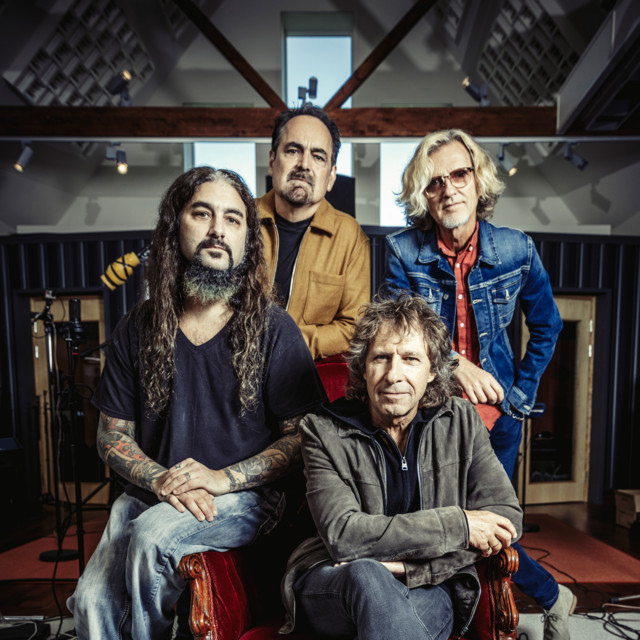
The metal world's current creative surge demonstrates how established subgenres continue evolving through sophisticated songwriting and cross-genre experimentation. From Norwegian symphonic black metal's cinematic ambitions to modern metal's hook-driven approaches, today's releases reveal artists pushing beyond traditional boundaries while maintaining genre authenticity.
Symphonic Black Metal Reaches Cinematic Heights
Dimmu Borgir's latest visual offering for "As Seen In The Unseen" from their new album "Grand Serpent Rising" exemplifies how symphonic black metal has evolved into a truly cinematic art form. The Norwegian masters continue refining their orchestral approach, demonstrating that black metal's atmospheric potential extends far beyond its raw origins. This cinematic direction reflects a broader trend where extreme metal acts are embracing visual storytelling as integral to their artistic expression.
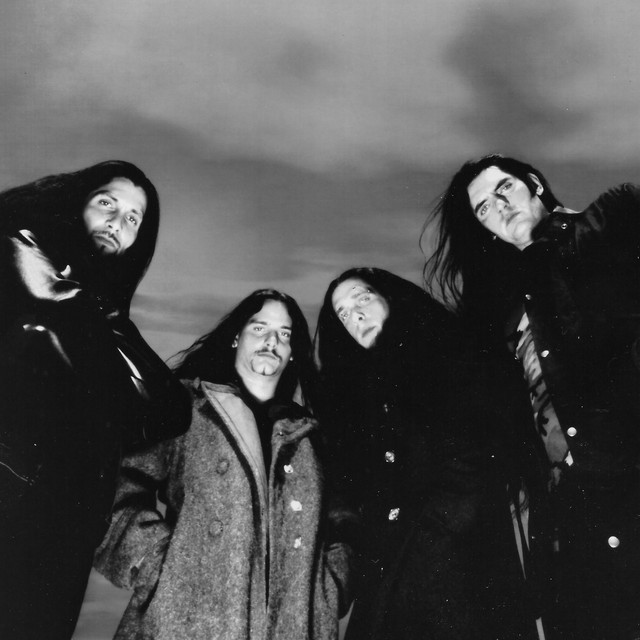
The production values and orchestral arrangements in today's symphonic black metal represent decades of refinement, transforming what was once purely underground rebellion into sophisticated artistic statements. This evolution parallels how Type O Negative once elevated gothic metal through theatrical presentation and atmospheric depth, creating templates that continue influencing modern acts.
Cross-Genre Pollination Redefines Modern Metal
The emergence of acts like Illumishade, featuring Eluveitie members, illustrates how modern metal increasingly benefits from cross-project collaboration. These ventures allow musicians to explore sonic territories beyond their primary bands' established sounds, creating hybrid approaches that defy traditional genre classifications. The dark, hook-driven nature of their new material "Paralyzed" demonstrates how folk metal veterans can successfully transition into modern metal territories while maintaining their melodic sensibilities.
This cross-pollination trend extends throughout contemporary metal, where musicians regularly participate in multiple projects spanning different subgenres. Such collaborations foster innovation by combining diverse influences and technical approaches, ultimately benefiting the broader metal ecosystem through creative cross-fertilization.
Nordic Metal's Philosophical Depth
Einherjer's approach to their upcoming "Lifeblood" album, particularly the Norwegian-language ballad "Dei Så Ser," showcases how Nordic metal acts maintain cultural authenticity while exploring profound philosophical themes. Their exploration of life-and-death cyclical thinking reflects Norse philosophical traditions, demonstrating metal's capacity for serious cultural commentary beyond mere aggression.
This philosophical depth distinguishes Nordic metal from purely aesthetic approaches to mythology and folklore. Rather than surface-level Viking imagery, bands like Einherjer integrate genuine cultural perspectives into their songwriting, creating music that serves as both entertainment and cultural preservation. Such authenticity resonates with audiences seeking meaningful content beyond typical metal themes.
Production Evolution and Long-Term Artistic Vision
Danish act Raunchy's return with "Frameworker" after a twelve-year album gap demonstrates how extended creative periods can benefit artistic development. Their upcoming "Prisoner" album, entirely self-produced, reflects a trend where established metal acts increasingly control their creative processes rather than relying on external production teams.
This self-production approach allows artists to fully realize their creative visions without external compromise, though it requires significant technical expertise and resources. The twelve-year gap also suggests that modern metal acts are more willing to prioritize quality over quantity, releasing material only when they have something genuinely substantial to contribute.
Extreme Metal's Technical Boundaries
Thrown Into Exile's blackened melodic death metal approach on "Behind The Veil" represents the continuing evolution of extreme metal's technical boundaries. Their Los Angeles base demonstrates how geographic diversity within metal scenes fosters different approaches to established subgenres, with West Coast acts often incorporating different influences than their European or East Coast counterparts.
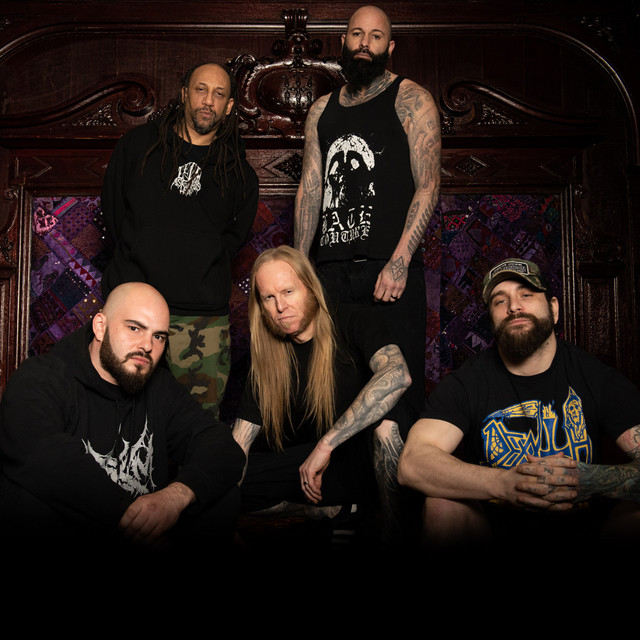
The blackened melodic death metal hybrid they represent reflects extreme metal's ongoing technical sophistication. Such combinations require exceptional musicianship to balance brutality with melody, darkness with accessibility. New York's own extreme metal scene, including acts like Suffocation, helped establish many of these technical foundations that contemporary acts continue building upon.
Alternative Metal's Atmospheric Evolution
Sleeping With Sirens' forthcoming "An Ending In Itself" album, previewed through their "Paralyzed" single, demonstrates how alternative metal continues incorporating atmospheric elements while maintaining emotional directness. Their eighth studio effort suggests sustained creative momentum despite the genre's commercial challenges compared to its early 2000s peak.
The band's longevity reflects alternative metal's adaptability, with successful acts continuously evolving their sound to remain relevant while satisfying established fan bases. This balance between innovation and consistency proves crucial for bands navigating the modern music landscape's rapid changes.
Regional Scene Development Through Global Trends
These international developments create opportunities for New York's diverse metal scene through demonstrating successful approaches to genre evolution and creative collaboration. Local acts can observe how established international bands balance tradition with innovation, applying these lessons to their own creative development.
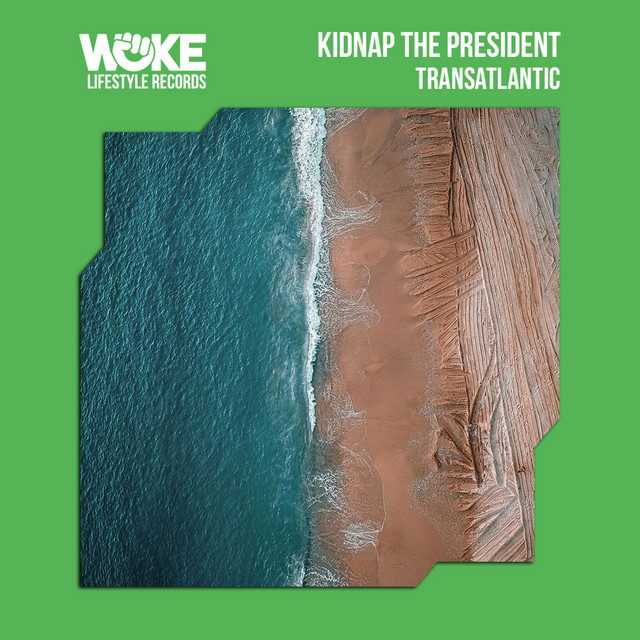
The emphasis on atmospheric depth, cross-genre collaboration, and extended creative development periods particularly benefits New York's scene, where geographic proximity to multiple music industry centers allows for diverse influences and collaboration opportunities. Acts like Transatlantic have already demonstrated how progressive approaches can achieve international recognition while maintaining regional identity.
Industry Independence and Creative Control
The trend toward self-production and extended creative periods reflects broader industry shifts toward artist independence. Musicians increasingly prioritize creative control over immediate commercial returns, resulting in more authentic artistic statements but requiring greater business acumen and financial resources.
This independence movement particularly benefits regional scenes by reducing barriers between local and international success. Artists can now develop their sound and audience without necessarily relocating to traditional music industry centers, allowing places like New York to maintain their local talent while competing globally.
The combination of symphonic sophistication, cross-genre exploration, and production autonomy creates unprecedented opportunities for metal's continued evolution. As established international acts demonstrate various successful approaches to balancing tradition with innovation, regional scenes can adapt these strategies while maintaining their unique characteristics and cultural perspectives.
For emerging acts, these trends suggest that success increasingly depends on artistic authenticity, technical proficiency, and strategic patience rather than following prescribed industry formulas. The metal scene's current diversity of successful approaches provides multiple templates for creative and commercial development, benefiting both established and emerging artists across all regional scenes.