Personal Authenticity Revolution: Coming Out Stories and Solo Career Evolution Reshape Metal's Identity Boundaries
Metal music has always been a space where artists push boundaries, but 2026 is witnessing an unprecedented wave of personal authenticity that's fundamentally changing how we understand the relationship between performer identity and musical expression. From public coming-out announcements to artists reclaiming their creative independence through solo ventures, the heavy music landscape is experiencing a transformation that extends far beyond sonic evolution.
Courage in the Spotlight: Breaking Down Barriers
The metal community has long prided itself on being a refuge for outcasts and misfits, yet certain conversations have remained challenging territory. When Beartooth's Caleb Shomo publicly addressed speculation about his personal life by openly discussing his sexuality, it marked more than just a personal milestone—it represented a seismic shift in how metal artists approach vulnerability and public identity.
Shomo's decision to step away from social media temporarily following backlash demonstrates both the ongoing challenges faced by LGBTQ+ artists in heavy music and the courage required to live authentically in the public eye. The response from the broader metal community has been largely supportive, suggesting that the genre's foundational values of acceptance and rebellion against conformity are evolving to become more inclusive.
This moment of authenticity resonates particularly strongly within the New York metal scene, where diversity and acceptance have long been driving forces. Bands like Agnostic Front helped establish the Empire State as a bastion of hardcore punk values that championed individual expression, creating a foundation that continues to influence new generations of artists who refuse to compromise their authentic selves.
The Solo Career Renaissance
While some artists are finding freedom through personal revelations, others are discovering creative liberation through solo projects that allow for unprecedented artistic exploration. Erik Grönwall's departure from Skid Row to focus on his solo album "Bad Bones" represents a growing trend of established vocalists choosing individual artistic vision over band dynamics.
Grönwall's "Who's The Winner" showcases the kind of creative risk-taking that becomes possible when artists step outside the expectations and compromises inherent in group dynamics. This solo renaissance isn't limited to former band members seeking independence—it's part of a broader movement where artists are recognizing that multiple creative outlets can coexist and strengthen each other.
The timing of these solo ventures coincides with an industry landscape that's more supportive of diverse revenue streams and creative projects. Where previous generations of metal artists might have felt pressured to choose between band loyalty and personal expression, today's musicians are finding ways to honor both impulses.
Collaboration as Creative Liberation
Interestingly, the push toward authenticity isn't just manifesting through solo work—it's also creating space for unexpected collaborations that blur traditional genre boundaries. The partnership between Tesla's Brian Wheat and emerging UK songwriter Alex Gonzato in Violet Breed demonstrates how established metal veterans are finding fresh inspiration through cross-generational and cross-cultural creative partnerships.
These collaborations represent more than just musical experimentation—they're evidence of a metal community that's becoming more fluid and interconnected. When artists feel free to explore their authentic creative impulses, whether through coming out publicly or pursuing unexpected musical partnerships, it creates a ripple effect that influences the entire scene.
The New York Connection: Building on Legacy
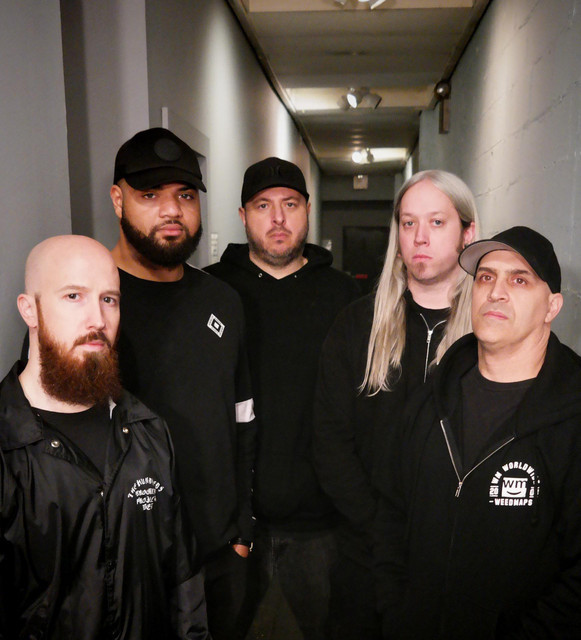
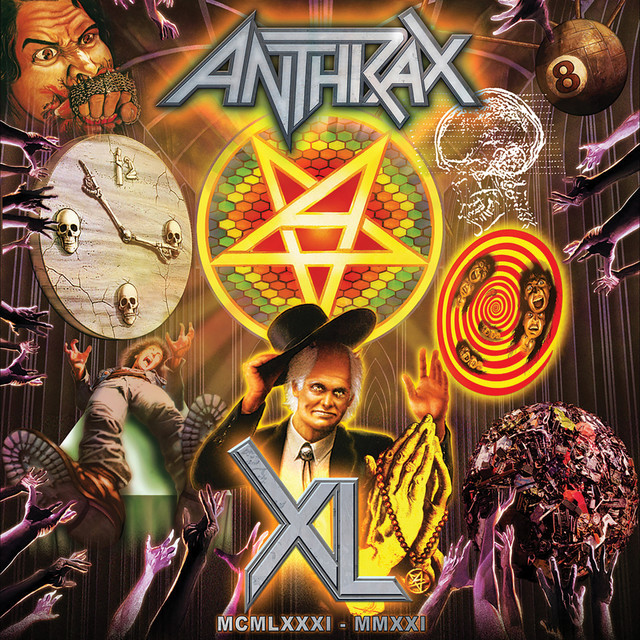
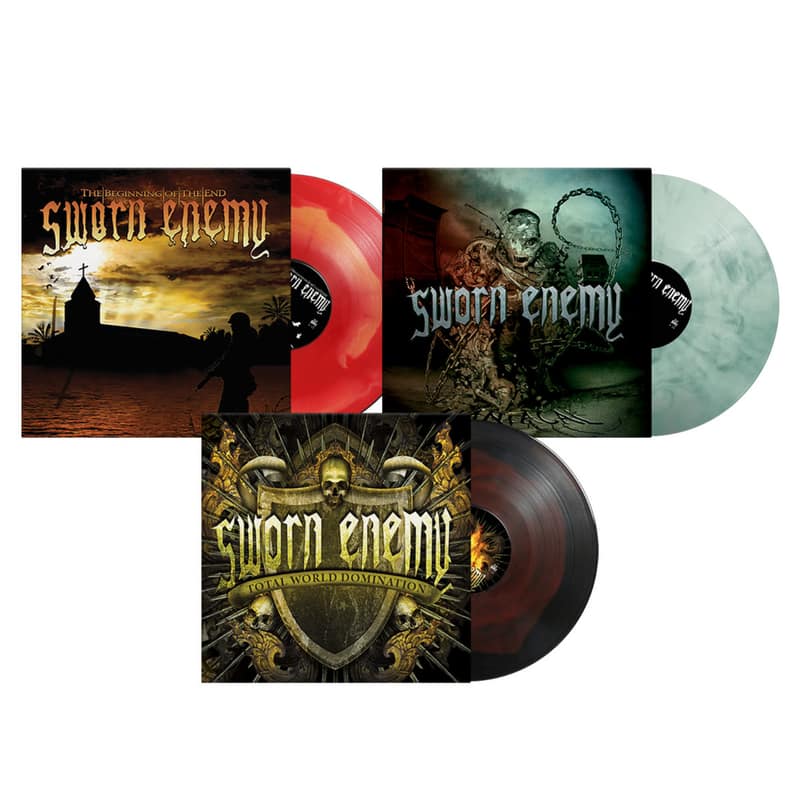
New York's metal scene has always been characterized by its willingness to embrace authenticity and reject conformity, making it particularly receptive to these broader industry trends. The state's rich history of boundary-pushing acts—from the crossover thrash innovations of bands like Anthrax to the hardcore punk authenticity of groups like Sworn Enemy—created a cultural foundation that celebrates individual expression within collective musical movements.
This legacy becomes particularly relevant as we consider how contemporary artists navigate the balance between personal authenticity and public persona. The New York metal scene's historical emphasis on keeping it real—whether through the street-level honesty of hardcore or the technical precision of progressive metal—provides a template for artists who want to maintain their integrity while reaching broader audiences.
Local venues and promoters have consistently supported artists who prioritize authenticity over commercial calculation, creating an ecosystem where personal honesty and artistic risk-taking are rewarded rather than punished. This environment becomes crucial as artists navigate complex decisions about how much of their personal lives to share and how to maintain creative control in an increasingly corporate industry.
Redefining Success in Heavy Music
The stories emerging from 2026 suggest that success in metal is being redefined around artistic fulfillment and personal authenticity rather than purely commercial metrics. Denis Shaforostov's continued evolution with Drag Me Out, following his high-profile tenure with Asking Alexandria, exemplifies how artists are learning to view career transitions as opportunities for growth rather than setbacks.
This shift in perspective has profound implications for how we understand career longevity in heavy music. Rather than viewing band changes, genre evolution, or personal revelations as potential career killers, the current landscape suggests that audiences are hungry for genuine artistic development and personal growth.
The success of artists who choose transparency over image management indicates that metal fans value authenticity above artificial perfection. This creates opportunities for both established and emerging artists to build deeper connections with their audiences through honest communication about their artistic processes, personal struggles, and creative evolution.
Looking Forward: Authentic Expression as Industry Standard
As these trends continue to develop, they're creating new possibilities for how artists approach their careers and public personas. The combination of personal authenticity, creative independence, and collaborative exploration suggests that the future of metal will be characterized by greater diversity of expression and more complex artistic identities.
For New York's metal scene, these developments represent both validation of long-held values and exciting new possibilities for artistic expression. The state's tradition of supporting authentic, boundary-pushing music positions it perfectly to lead this evolution toward greater inclusivity and creative freedom.
The artists making headlines today for their courage in living authentically and pursuing their creative visions are setting new standards for what it means to succeed in heavy music. Their willingness to prioritize artistic integrity and personal honesty over conventional career strategies is creating a template that will influence metal artists for years to come.
As we watch this authenticity revolution unfold, it's clear that the best metal bands of 2026 won't just be judged on their technical proficiency or commercial success, but on their willingness to bring their complete, authentic selves to their art. In a genre built on rebellion and individual expression, perhaps this evolution was inevitable—but it's no less powerful for being predictable.