AI Technology Meets Metal Legends as Post-Hardcore Evolution and Progressive Innovation Transform Industry Boundaries
The metal industry stands at a fascinating crossroads where cutting-edge technology converges with decades of musical evolution, creating unprecedented opportunities for both legendary acts and emerging artists. From AI avatars preserving iconic performers to post-hardcore veterans pushing creative boundaries, the current landscape reveals how innovation and tradition can coexist in ways that seemed impossible just a few years ago.
Digital Immortality Enters the Metal Realm
The announcement that Ozzy Osbourne's likeness will be transformed into an AI avatar represents a seismic shift in how metal legends approach legacy preservation and fan interaction. This digital incarnation, set to debut at 2027's Ozzfest, promises worldwide availability for fan conversations using Ozzy's authentic voice patterns and mannerisms. The implications extend far beyond simple nostalgia – this technology could revolutionize how best metal bands maintain connections with global audiences while managing the physical limitations that come with decades of touring.
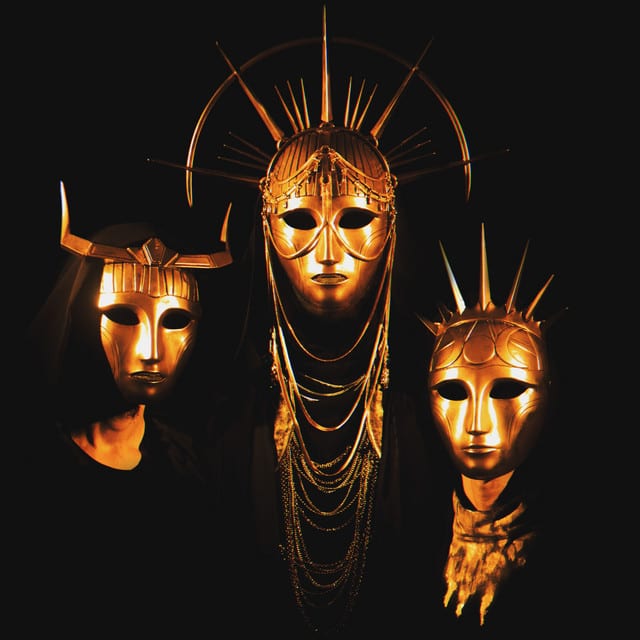
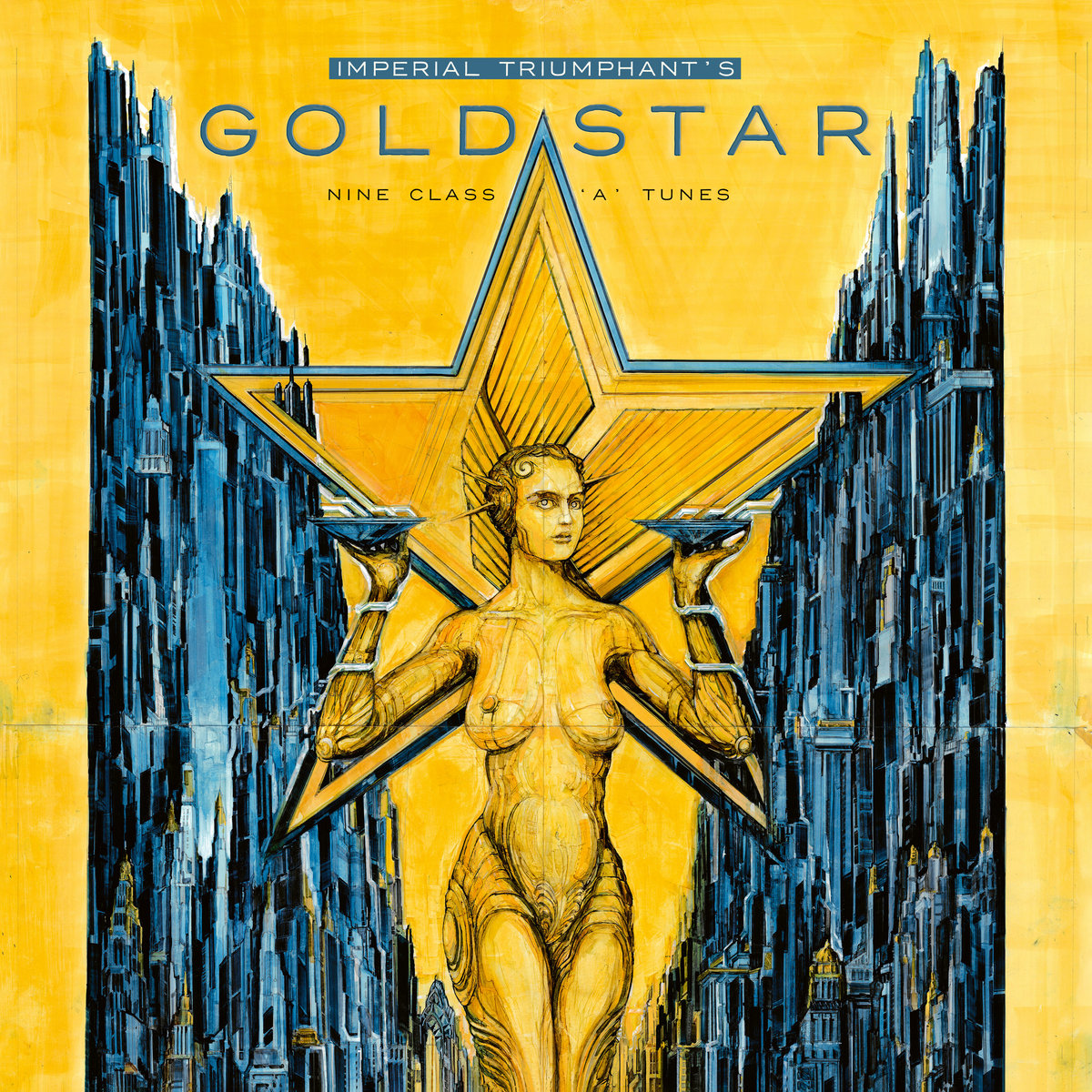
For New York's metal scene, this development opens intriguing possibilities. Veteran acts like Imperial Triumphant have already demonstrated how avant-garde approaches can push metal into uncharted territories. The AI avatar concept suggests that innovation in metal isn't limited to sonic experimentation – it's expanding into entirely new forms of artist-fan interaction that could benefit both established and emerging acts.
The technology's potential impact on touring economics alone could reshape how regional scenes develop. If legendary performers can maintain presence through AI while focusing creative energy on studio work, it might create more opportunities for live venues to book diverse lineups rather than relying heavily on nostalgia acts.
Post-Hardcore Pioneers Chart New Creative Territory
While technology reshapes the future of metal presentation, New York City's Quicksand continues proving that artistic evolution remains the genre's most powerful force. Their upcoming album "Bring On The Psychics," arriving July 17 through Equal Vision Records, marks a significant milestone for the post-hardcore pioneers. The release of their "Crystallize" music video showcases a band that's maintained creative relevance across multiple decades without sacrificing the intensity that made them influential.
Walter Schreifels and his bandmates represent the type of artistic longevity that many new metal bands 2026 aspire to achieve. Their ability to continue producing fresh material while honoring their foundational sound provides a template for how veteran acts can navigate modern music industry challenges. The partnership with Equal Vision Records, a legendary New York-based independent label, emphasizes the continued importance of regional music infrastructure in supporting both established and emerging artists.
This creative persistence resonates throughout the New York metal scene, where authenticity and innovation must constantly balance each other. Quicksand's approach – maintaining core identity while embracing new creative directions – offers valuable lessons for younger bands navigating their own artistic development.
Progressive Metal's Technical Renaissance
The progressive metal realm continues expanding its boundaries, as evidenced by Haken's release of "In A Fever Dream," their first new material following lineup changes that saw guitarist Charlie Griffiths and bassist Conner Green take breaks from the band. This development highlights how progressive acts must adapt to member changes while maintaining the technical complexity that defines their appeal.
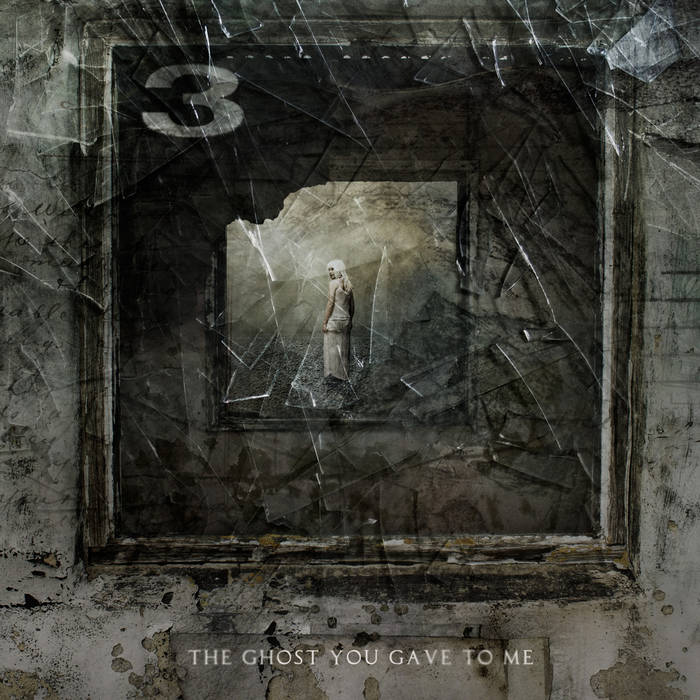
For New York's progressive metal community, including acts like 3, these lineup dynamics represent both challenges and opportunities. Progressive metal's emphasis on technical proficiency means that member changes can significantly impact a band's sound, but they also create space for new creative directions. The genre's complexity requires musicians who can match established technical standards while bringing fresh perspectives to established formulas.
Haken's ability to continue producing sophisticated material despite lineup changes demonstrates the resilience that characterizes the best metal albums of all time. Their approach suggests that progressive metal's future lies not just in technical virtuosity, but in adaptability and creative flexibility that allows bands to evolve while maintaining their essential character.
Death Metal Milestones and Legacy Recognition
The 30th anniversary of Cannibal Corpse's landmark album "Vile" serves as a reminder of death metal's enduring impact and evolution. This milestone coincides with discussions about George "Corpsegrinder" Fisher's debut with the band, highlighting how leadership changes can revitalize established acts rather than diminish them. The album's lasting influence demonstrates how certain releases transcend their original context to become permanent fixtures in metal's developmental timeline.
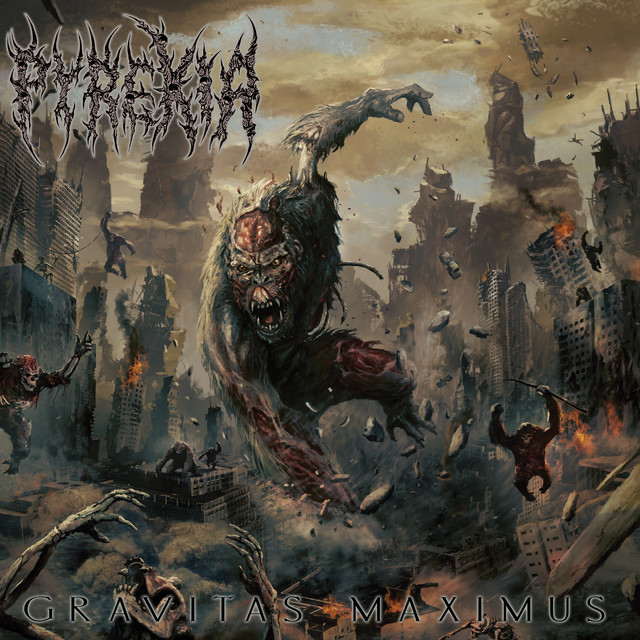
New York's brutal death metal scene, including bands like Malignancy and Pyrexia, continues building upon foundations established by albums like "Vile." These milestone anniversaries provide opportunities for regional scenes to celebrate their connections to broader metal movements while highlighting local contributions to genre development.
The recognition of "Vile's" lasting impact also underscores how 80s metal bands and their successors created templates that continue influencing contemporary artists. Understanding these historical connections helps newer bands appreciate the lineage they're joining while finding ways to add their own contributions to ongoing conversations.
Industry Independence and Creative Freedom
Rudy Sarzo's announcement of upcoming solo material, developed independently and focused on his musical roots, reflects broader trends toward artist autonomy in metal's current landscape. This approach allows veteran musicians to explore creative directions that might not fit within established band contexts, creating more diverse musical offerings for fans while providing artists with additional creative outlets.
The independent approach resonates particularly strongly within New York's metal ecosystem, where DIY ethics have long influenced how bands develop and maintain careers. Sarzo's decision to release material independently rather than through traditional label structures suggests that even established musicians recognize the creative freedom that independent releases can provide.
For emerging artists watching these developments, the message becomes clear: success in modern metal requires adaptability, creative authenticity, and willingness to embrace both technological innovations and traditional musical values. Whether through AI avatars, progressive evolution, or independent releases, the current metal landscape rewards artists who can balance innovation with respect for the genre's foundational elements.
The Future of Metal Innovation
As metal bands touring 2026 prepare for a landscape that includes AI performers, post-hardcore evolution, and progressive technical innovation, the opportunities for creative expression continue expanding. New York's metal scene, with its history of embracing both tradition and experimentation, stands well-positioned to benefit from these developments.
The convergence of technology and artistic evolution suggests that the next phase of metal development will reward bands capable of thinking beyond conventional approaches while maintaining the emotional authenticity that makes heavy music compelling. From AI-enhanced fan interactions to independent creative projects, the tools for artistic expression continue multiplying, creating unprecedented opportunities for both established legends and emerging innovators.
Whether you're tracking upcoming shows or considering ways to submit your band to our growing index, the current moment offers exceptional potential for artists willing to embrace both metal's rich history and its technological future.