Post-Hardcore Icons Quicksand Return While Masked Political Metal and Intimate Shows Challenge New York's Traditional Heavy Music Paradigms
New York City's post-hardcore pioneers Quicksand are making waves with their upcoming album release, while masked political metal acts and strategic venue downsizing reshape how heavy music connects with audiences across the state's diverse scene.
Quicksand's NYC Post-Hardcore Renaissance
The legendary NYC post-hardcore trio Quicksand has unveiled their latest music video for "Crystallize," offering a glimpse into their forthcoming album "Bring On The Psychics," set for July release via Equal Vision Records. The band, featuring guitarist/vocalist Walter Schreifels alongside their core lineup, represents a fascinating chapter in New York's post-hardcore evolution that continues to influence the state's contemporary heavy music landscape.
This new era for Quicksand arrives at a time when New York's post-hardcore and adjacent scenes are experiencing renewed creative energy. The band's partnership with Equal Vision Records, a legendary independent New York-based label, reinforces the state's continued importance as both a creative hub and business center for alternative heavy music. Their approach to combining melodic sensibilities with aggressive undertones has long served as a template for regional acts exploring similar sonic territories.
The timing of Quicksand's return coincides with growing interest in post-metal and experimental approaches within New York's heavy music community. Acts like Monolith and Engineer continue developing the atmospheric and progressive elements that post-hardcore pioneers like Quicksand first introduced to the region's underground scene.
Political Metal's Masked Messaging Revolution
The emergence of controversial masked band President, with their upcoming "Blood Of Your Empire" album, signals a new approach to political messaging in heavy music that contrasts sharply with traditional protest methods. While rumored to feature Charlie Simpson of Busted and Fightstar fame, the band's anonymous presentation allows their political content to take center stage without celebrity distractions.
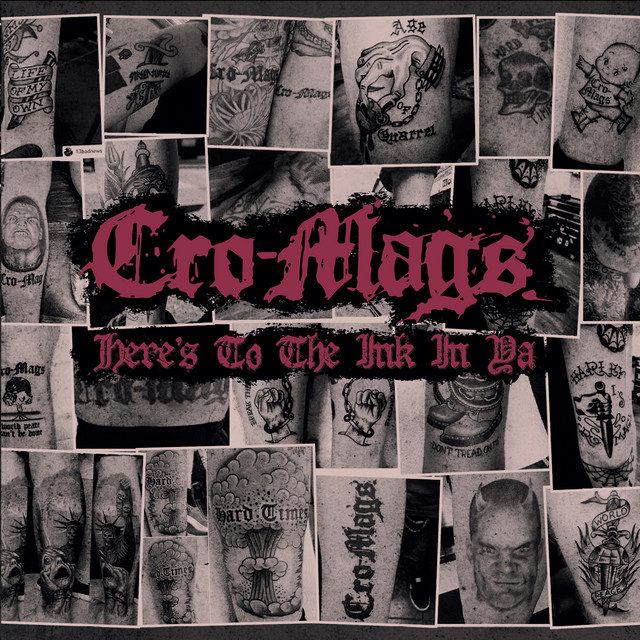
This masked political approach represents an interesting evolution from New York's historically direct hardcore and thrash metal activism. Bands like Cro-Mags and Nuclear Assault built their reputations on explicit political messaging delivered through recognizable personalities. President's strategy suggests a new generation of politically motivated heavy music that prioritizes message over messenger.
The controversial nature of President's "Doom Loop" single demonstrates how modern political metal is becoming more sophisticated in its provocative approaches. Rather than relying on straightforward protest anthems, contemporary acts are crafting complex narratives that challenge listeners regardless of their political affiliations. This evolution creates new opportunities for New York metal acts to engage with political themes while avoiding the polarization that often accompanies direct political messaging.
Intimate Venue Strategies Transform Artist-Fan Connections
Greta Van Fleet's decision to perform at New York City's intimate Bowery Ballroom represents a broader trend toward strategic venue downsizing that's reshaping how both national and regional acts approach live performance. The Bowery Ballroom, with its legendary status in New York's music ecosystem, offers artists the opportunity to create more meaningful connections with audiences despite being capable of playing much larger venues.
This intimate venue approach is particularly relevant for New York metal acts seeking to build sustainable careers in an increasingly crowded marketplace. The state's diverse venue landscape, from legendary clubs to smaller underground spaces, allows both emerging and established acts to match their performance strategies to their specific audience development goals.
The success of intimate shows in prestigious venues also creates opportunities for regional metal acts to position themselves as special events rather than routine entertainment. New York's thrash metal veterans and emerging progressive acts can leverage the state's venue diversity to create memorable experiences that justify higher ticket prices while building deeper fan loyalty.
Technology Integration and Artistic Legacy
The announcement of AI-powered Ozzy Osbourne technology, while not directly related to New York artists, highlights the growing intersection between technology and metal music that regional acts must navigate. The concept of creating "digital DNA" for artists raises questions about how New York metal acts might eventually preserve and extend their creative legacies through technological means.
For the New York metal scene, this technological evolution presents both opportunities and challenges. Veteran acts with established catalogs could potentially explore digital preservation methods, while emerging artists must consider how technology might impact their long-term career strategies. The state's position as both a technology hub and music center creates unique possibilities for innovative approaches to artist-fan interaction.
The implications extend beyond individual artists to the broader ecosystem of New York metal. Recording studios, venues, and independent labels throughout the state must adapt to technological changes while maintaining the authentic connections that define heavy music culture.
Festival Culture and Regional Development
Major festival announcements, including Inkcarceration's lineup featuring Gojira and Limp Bizkit, demonstrate how festival culture continues evolving to accommodate diverse heavy music audiences. While these specific events may not occur within New York state boundaries, their programming strategies influence how regional festivals approach lineup curation and audience development.
New York's metal scene benefits from this festival evolution through increased opportunities for regional acts to participate in touring packages and collaborative events. The state's geographic position and transportation infrastructure make it an attractive location for festival-style events that could showcase the depth of local talent alongside national acts.
The cross-genre programming approach demonstrated by major festivals also validates the experimental tendencies of many New York metal acts. Bands that blend genres or incorporate non-metal influences find themselves better positioned for festival inclusion as programmers seek diverse lineups that appeal to broader audiences.
Scene Development and Future Directions
The current landscape of New York metal reflects both respect for tradition and embrace of innovation. Quicksand's return demonstrates how veteran acts can evolve while maintaining their core identity, while masked political acts and technological integration show how newer approaches to artistry continue emerging.
Regional venues continue playing crucial roles in this development, providing spaces where both intimate performances and experimental approaches can flourish. The success of strategic venue choices by national acts creates templates that regional metal bands can adapt for their own audience development strategies.
As the broader metal industry embraces everything from AI integration to political anonymity, New York's diverse scene remains well-positioned to benefit from these trends while maintaining the authentic connections that define heavy music culture. The state's combination of veteran acts, emerging talent, and innovative venues creates an ecosystem where new approaches to metal artistry can develop and thrive.
For fans and artists alike, this period represents an exciting time in New York metal development, where traditional approaches meet innovative strategies to create new possibilities for heavy music expression and audience engagement.