Syracuse's Endless Fires Festival Champions Genre Diversity While Artist Independence Movement Reshapes Metal Business Models
Syracuse's emergence as a significant festival destination takes center stage with the announcement of Endless Fires, a bold new August gathering that perfectly embodies metal's genre-blending evolution. The festival's eclectic lineup demonstrates how regional events are breaking traditional boundaries, featuring everything from Three 6 Mafia's hip-hop innovation to Circle Jerks' punk legacy alongside hardcore stalwarts American Nightmare and Comeback Kid.
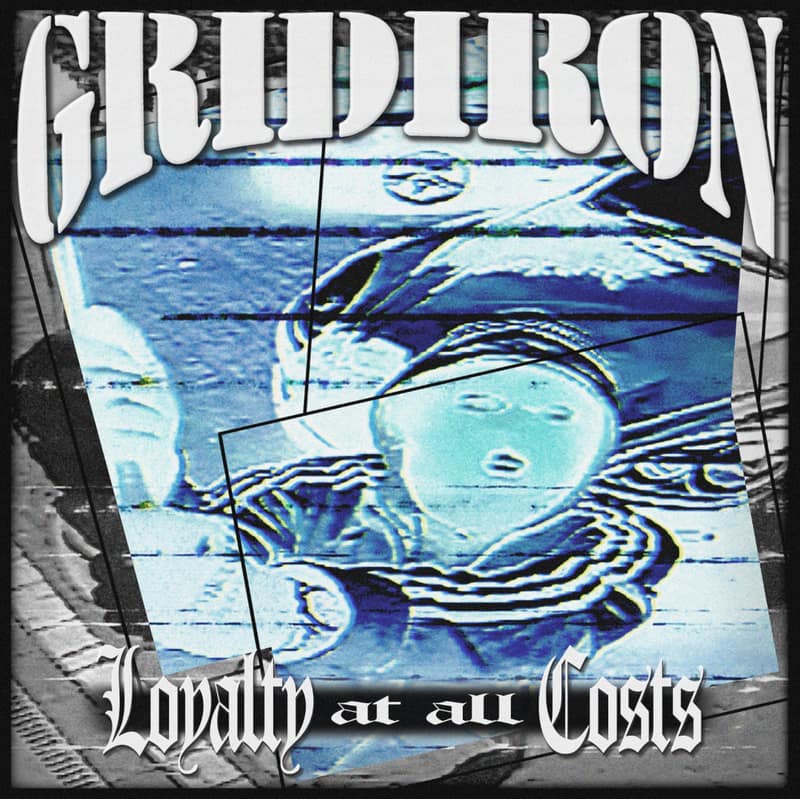
What makes Endless Fires particularly noteworthy for New York's heavy music community is the inclusion of Gridiron, whose beatdown hardcore approach represents the Empire State's contribution to the festival's diverse sonic palette. The band's placement alongside acts like E.Town Concrete and Weekend Nachos showcases how New York hardcore continues influencing national festival programming, proving that regional scenes remain vital to metal's broader cultural landscape.
Independence Revolution Transforms Metal Business Models
While festivals embrace genre diversity, established acts are revolutionizing their business approaches through strategic independence moves. Avenged Sevenfold's recent transition to full independence, complete with purchasing master recordings of previous releases, signals a significant shift in how veteran metal bands view ownership and creative control. This movement toward artist autonomy represents more than financial strategy—it's a fundamental reimagining of how best metal bands can maintain longevity while preserving artistic integrity.
The timing of these independence declarations coincides with broader industry changes affecting everything from streaming revenue to touring economics. When major acts choose independence over traditional label support, it creates ripple effects throughout regional scenes, potentially opening doors for emerging artists while demonstrating sustainable career models that don't rely on corporate backing.
Creative Expansion Beyond Traditional Album Cycles
Iron Maiden's Bruce Dickinson continues expanding metal's creative boundaries with his upcoming "The Mandrake Project" graphic novel, representing a growing trend of metal artists exploring multimedia storytelling. This creative diversification reflects how seasoned performers are leveraging their established audiences to explore new artistic territories, creating content that extends far beyond traditional album and tour cycles.
The graphic novel format particularly resonates with metal's visual culture, from album artwork to stage design. When legendary vocalists like Dickinson invest in visual storytelling, it validates comics and graphic novels as legitimate extensions of metal's narrative tradition, potentially inspiring regional artists to explore similar multimedia approaches.
Nostalgia Projects Reveal Strategic Legacy Management
The reimagined Transformers movie soundtrack, featuring contributions from Sebastian Bach, Death Angel, Exhumed, and Gruesome members, demonstrates how metal artists are strategically engaging with nostalgia culture. Rather than simple cash grabs, these collaborations represent calculated approaches to reaching new audiences while honoring source material that shaped many metalheads' formative experiences.
This trend toward nostalgic reinterpretation creates opportunities for both established and emerging acts. When veteran musicians tackle beloved 80s metal bands material or reimagine classic soundtracks, they're not just paying tribute—they're creating bridges between generations of metal fans while demonstrating how classic material can be respectfully modernized.
Side Projects and Creative Outlets Multiply
Car Bomb's Mike Dafferner continues expanding his creative reach through Sun Guts, with the project's sophomore album "Supervoid" scheduled for August digital release. The new track "Terminator Cross" showcases how side projects allow established musicians to explore different sonic territories without compromising their primary bands' identities.
These parallel creative endeavors reflect modern metal's embrace of artistic plurality. Rather than limiting themselves to single band identities, musicians increasingly view multiple projects as essential for creative fulfillment and career sustainability. This approach creates more opportunities for collaboration and experimentation within regional scenes, as artists become more willing to contribute to diverse projects beyond their primary commitments.
Touring Strategies Adapt to Modern Realities
Multiple touring announcements reveal how metal bands touring 2026 are adapting their strategies to current market realities. From focused regional runs to carefully curated package tours, acts are demonstrating increased sophistication in route planning and audience targeting. The Greyhaven, Footballhead, and CHEEM combination represents smart co-headlining that maximizes audience overlap while sharing costs and resources.
Meanwhile, the expanded Nonpoint, SOiL, Spineshank, and (Hed)p.e. tour demonstrates how nostalgia-driven packages can successfully reach audiences craving specific era experiences. These touring models provide templates for regional acts seeking sustainable approaches to live performance, whether through strategic partnerships or targeted demographic appeals.
Regional Scene Implications and Future Directions
The New York metal scene benefits significantly from these broader industry trends. Festival diversity creates more opportunities for local acts to gain exposure beyond traditional regional boundaries, while the independence movement provides realistic models for career development that don't require major label backing.
Creative diversification trends particularly benefit New York's artistic community, where cross-disciplinary collaboration has deep roots. When metal artists embrace multimedia projects, graphic novels, and nostalgic reinterpretations, they're following paths that New York's creative infrastructure can readily support.
The side project phenomenon also aligns with New York's collaborative spirit, where musicians frequently contribute to multiple bands and projects simultaneously. This approach maximizes creative opportunities while building stronger community networks that support long-term scene sustainability.
Business Model Evolution Creates New Opportunities
As established acts embrace independence and alternative revenue streams, they're inadvertently creating space for emerging artists to develop similar approaches from the beginning. Rather than viewing major label deals as ultimate goals, new metal bands 2026 can learn from veteran independence strategies while developing sustainable careers that balance creative freedom with financial viability.
The festival circuit's embrace of genre diversity also creates more opportunities for acts that might not fit traditional metal categories but appeal to similar audiences. This expanded definition of heavy music opens doors for experimental acts, crossover projects, and genre-blending artists who previously struggled to find appropriate platforms.
Looking ahead, these trends suggest a metal landscape that's simultaneously more diverse and more sustainable than previous eras. Artists have more tools for maintaining creative control while reaching audiences, festivals provide platforms for genre experimentation, and business models emphasize long-term sustainability over short-term commercial peaks. For New York's heavy music community, these developments create unprecedented opportunities for artistic expression and career development that honor both innovation and tradition.