Living Colour's Corey Glover Headlines Bon Scott Tribute While Dethklok's Technical Mishap Reveals Modern Metal's Theatrical Complexity
The intersection of legendary tributes and contemporary theatrical metal took center stage this week, highlighting how the genre continues evolving its relationship with spectacle and celebration. From Manhattan's intimate tribute gatherings to Milwaukee's smoke-filled arena disasters, recent developments reveal metal's ongoing negotiation between honoring its past and embracing increasingly complex live presentations.
Manhattan Tribute Shows Honor Metal's Foundational Icons
New York City's tribute culture receives another significant boost with the announcement that Living Colour's Corey Glover will headline the third annual Bon Scott Birthday Bash at The Cutting Room this July. The event, officially sanctioned by the Bon Scott estate, represents more than nostalgic celebration—it demonstrates how the New York metal scene continues positioning itself as a curator of heavy music history.
Glover's participation particularly resonates within New York's diverse metal ecosystem. Living Colour's genre-blending approach helped establish templates that current acts still follow, making Glover's tribute appearance both historically significant and artistically relevant. The choice of The Cutting Room, an intimate venue compared to arena-sized memorial concerts, suggests organizers prioritize authentic celebration over commercial spectacle.
This approach aligns with broader trends in how metal bands touring 2026 are reimagining tribute culture. Rather than massive, impersonal celebrations, artists are embracing smaller, more meaningful gatherings that allow for genuine artistic interpretation rather than note-for-note recreation.
Technical Complexity Creates New Challenges for Live Metal
The flipside of metal's theatrical evolution became dramatically apparent when Dethklok's Milwaukee performance was cut short due to fire alarm activation from excessive fog and smoke effects. This incident illuminates the increasingly complex technical requirements facing modern metal acts, particularly those building entire experiences around visual atmosphere.
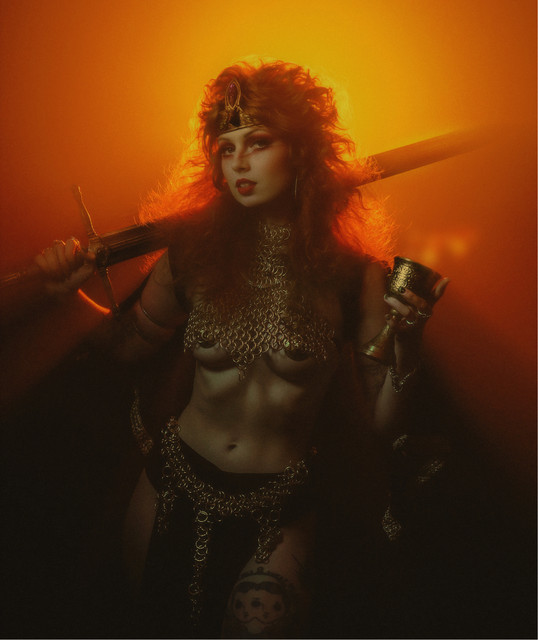
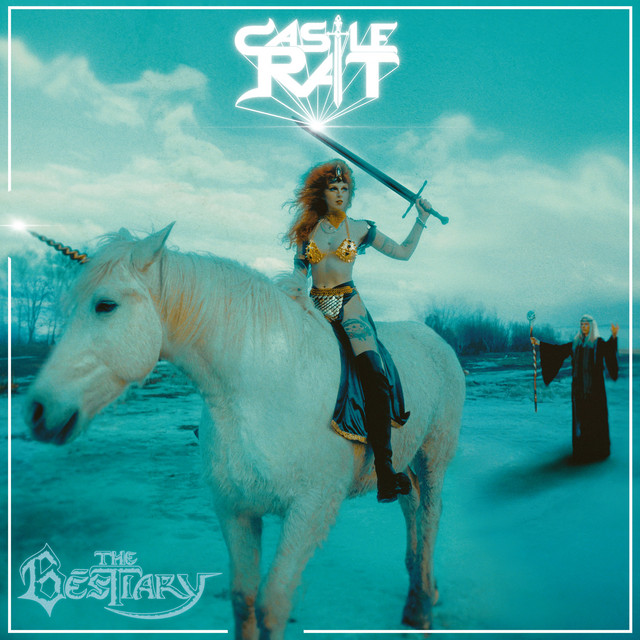
The timing proves particularly significant—Amon Amarth and Castle Rat performed earlier without incident, suggesting Dethklok's production demands exceeded typical venue capabilities. This creates important considerations for New York venues hosting similar acts, as safety protocols must adapt to accommodate metal's expanding theatrical ambitions.
For regional venues, the Milwaukee incident serves as a crucial reminder that modern metal production often requires infrastructure beyond traditional rock show requirements. Castle Rat, performing without incident earlier in the evening, demonstrates how local acts can maintain powerful live presentations while working within practical constraints.
Festival Programming Reflects Genre-Blending Evolution
The announcement of various festival lineups reveals how programming strategies are adapting to metal's expanding boundaries. Philadelphia's Making Time ∞ festival booking Kim Gordon alongside electronic acts demonstrates the growing recognition of noise rock and experimental music within broader heavy music contexts.
This programming philosophy creates opportunities for New York's more experimental metal acts. Bands operating in post-metal and avant-garde territories find themselves with expanded festival options as curators embrace genre-fluid approaches. The trend suggests that traditional metal festival boundaries are dissolving, creating space for acts that might have previously struggled to find appropriate booking contexts.
Similarly, the Endless Fires festival combining punk veterans Circle Jerks with hip-hop pioneers Three 6 Mafia reflects how modern festival programming acknowledges the interconnected nature of heavy music cultures. This approach validates the diverse influences present in contemporary metal while creating performance opportunities for acts working across traditional genre boundaries.
Legacy Acts Balance Innovation with Tradition
Recent touring announcements reveal how established acts are navigating the balance between honoring their legacy while remaining creatively vital. The Arch Enemy and Black Dahlia Murder co-headlining tour represents a strategic pairing that showcases complementary approaches to extreme metal evolution.
These touring partnerships create templates for how regional acts can approach collaboration and mutual support. Rather than competing for identical audiences, bands are finding ways to combine strengths and create more compelling live experiences. The inclusion of support acts like Septicflesh and Crypta demonstrates how tours are becoming curated experiences rather than simple headline presentations.
For new metal bands 2026, these touring strategies offer important lessons about building sustainable careers through strategic partnerships rather than isolated competition. The approach suggests that successful modern metal careers require collaborative thinking and mutual support within the broader metal community.
Anniversary Culture Drives Collector Interest
Gojira's elaborate 20th anniversary treatment of "From Mars To Sirius" with specialized zoetrope vinyl releases demonstrates how best metal albums of all time are being repositioned for collector markets. The timing—celebrating the album's 20th anniversary in 2025—shows how metal acts are becoming increasingly strategic about legacy management and fan engagement.
This approach creates opportunities for regional acts to consider their own catalog development strategies. Rather than simply releasing albums and moving forward, successful acts are learning to treat their discographies as ongoing assets requiring periodic re-engagement and creative recontextualization.
The specialized vinyl approach also reflects broader trends in how metal fans consume music. Physical releases with unique artistic elements serve multiple functions—collector appeal, artistic statement, and revenue generation—creating sustainable models for acts building long-term careers.
Regional Scene Benefits from National Trends
These developments create specific opportunities for New York's metal community. The emphasis on tribute culture, technical innovation, and collaborative touring provides templates that regional acts can adapt for their own career development strategies.
Venues throughout New York can learn from the Milwaukee incident by proactively addressing technical requirements for increasingly complex metal productions. Rather than limiting bookings, venues that invest in appropriate infrastructure position themselves as preferred destinations for touring acts with elaborate production requirements.
The festival programming trends also suggest expanded opportunities for New York acts willing to work across genre boundaries. As festivals embrace more diverse lineups, regional bands with unique sounds or cross-genre approaches find themselves with expanded booking possibilities.
For emerging acts, the emphasis on collaboration over competition creates opportunities to build careers through strategic partnerships and mutual support. The upcoming shows calendar increasingly reflects this collaborative approach as bands find creative ways to combine resources and audiences.
These trends collectively suggest that modern metal success requires adaptability, technical awareness, and collaborative thinking. Acts that embrace these principles while maintaining their authentic creative vision position themselves for sustainable careers within an increasingly sophisticated metal ecosystem.