Brooklyn Doom Festival and Industrial Metal Collabs Signal NYC's Doom Renaissance as Ex-Megadeth Members Form Thrash Supergroup
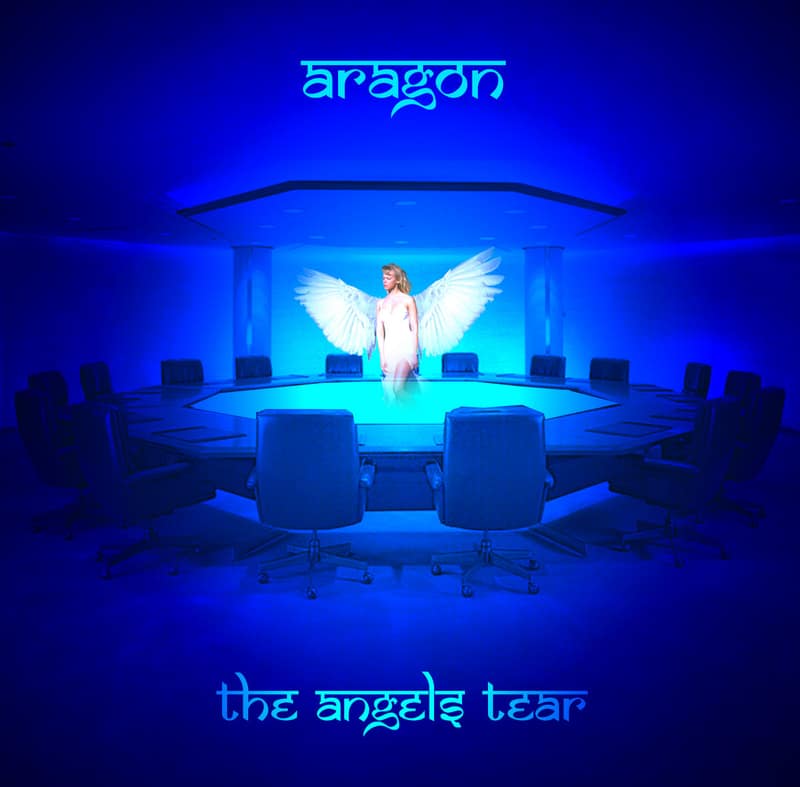
Brooklyn's Memorial Day weekend transforms into a monument to crushing heaviness as the doom metal community converges on the borough for what promises to be one of the year's most significant heavy music gatherings. With legendary acts Eyehategod and Pentagram anchoring a lineup that spans decades of sludge, stoner, and doom innovation, the festival represents more than just another weekend of heavy riffs—it's a statement about New York's evolving relationship with the slower, heavier side of metal.
Doom Finds Its Brooklyn Home
The Tee Pee Records-presented festival brings together an impressive coalition of doom royalty, including both classic Saint Vitus singers, highlighting the genre's deep historical roots while showcasing its contemporary evolution. Dead Meadow's inclusion adds a psychedelic dimension that reflects doom metal's expanding boundaries, creating space for atmospheric exploration that goes beyond traditional crushing volume.
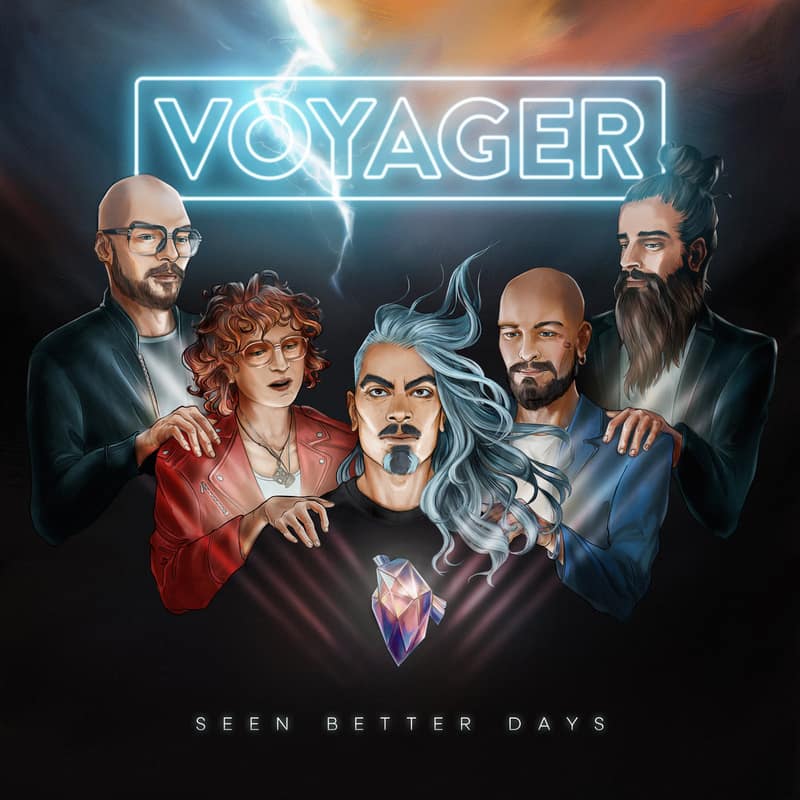
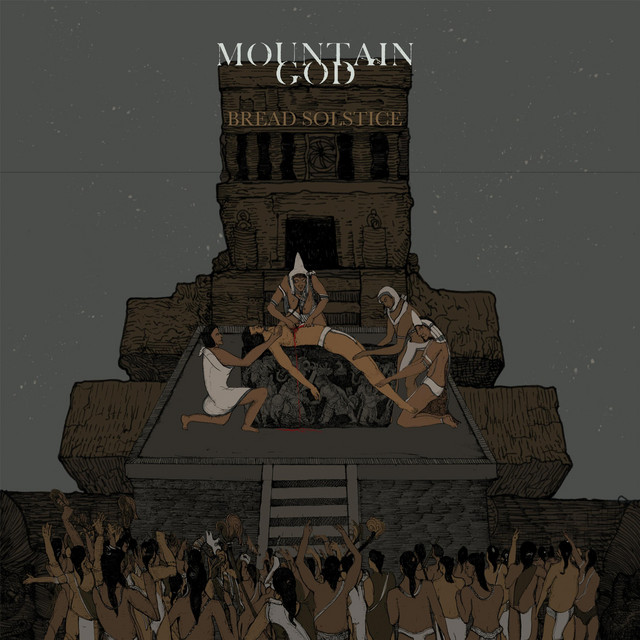
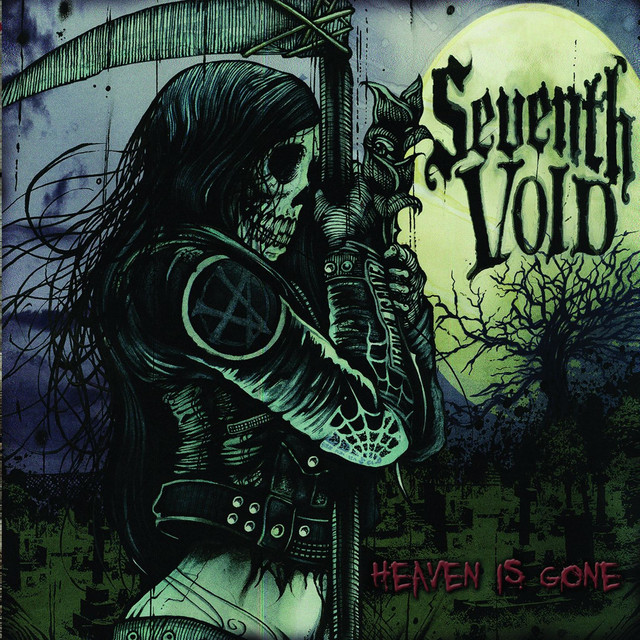
For New York's doom and sludge scene, this festival represents crucial validation. Local acts like Mountain God and Voyager have been developing the region's doom identity for years, and events like this Brooklyn gathering provide the platform these bands need to connect with broader doom communities. The presence of established acts like Seventh Void demonstrates how New York's stoner and doom acts are finding their place within a genre traditionally associated with Southern and West Coast scenes.
The festival's timing during Memorial Day weekend is strategically significant, positioning doom metal as summer festival material rather than purely underground club territory. This mainstream festival positioning could influence how other promoters approach heavy, atmospheric music in outdoor settings.
Ex-Megadeth Members Forge New Thrash Territory
While Brooklyn prepares for its doom weekend, the thrash world buzzes with news of Kings of Thrash, the supergroup featuring former Megadeth guitarist Jeff Young and bassist David Ellefson. Their latest single "Bullets Ready" demonstrates how veteran thrash musicians are addressing contemporary political tensions through the genre's traditional aggression and precision.
Young's comments about the song's timely relevance reflect a broader trend among experienced metal musicians who are using their platforms to engage with current events. This approach differs significantly from the more abstract or fantasy-based lyrics that dominated much of 80s metal, showing how the genre has matured into a vehicle for direct social commentary.
For New York's thrash scene, the success of veteran supergroups like Kings of Thrash provides inspiration and validation for local acts pursuing similar approaches. Bands like Toxik and Aragon represent the region's contribution to thrash metal's evolution, and seeing former members of legendary acts form new groups demonstrates that thrash metal's creative possibilities remain far from exhausted.
Industrial Metal's Cross-Genre Collaborations
The broader metal landscape shows increasing interest in collaborative projects that cross traditional genre boundaries. Swedish doom masters Monolord's recruitment of Grave's Jörgen Sandström for their track "It's Neverending" exemplifies how established acts are seeking fresh perspectives by working with musicians from adjacent but distinct metal subgenres.
This collaborative trend holds particular relevance for New York's diverse metal scene, where industrial metal acts like Sin have long existed alongside doom, thrash, and death metal bands. The city's musical density creates natural opportunities for cross-pollination between genres that might remain isolated in smaller scenes.
Industrial metal's integration of electronic elements with heavy guitars provides a template for how traditional metal genres can evolve without abandoning their core identity. As more bands experiment with incorporating diverse influences, New York's already eclectic metal scene becomes even more valuable as a testing ground for genre-blending approaches.
Classic Metal's Recording Philosophy Renaissance
Snot guitarist Mikey Doling's commitment to working with producer Chris Collier for their long-awaited 2027 release reflects a broader trend toward traditional recording methods and extended development timelines. This approach contrasts sharply with the quick-release, home-recording strategies that have become common in recent years.
The decision to take time developing material rather than rushing to release reflects confidence in the music's lasting power. For New York metal acts watching these veteran bands navigate the modern music industry, this patience-focused approach provides an alternative to the constant content generation that social media platforms seem to demand.
Devin Townsend's ambitious rock opera "The Moth" represents another approach to large-scale creative projects, with his double single "Prepare For War"/"The Big Snit" serving as strategic previews rather than standalone releases. This multi-part rollout strategy demonstrates how established artists can build anticipation while maintaining creative control over how their work is presented.
Legacy Acts and Chart Performance
Shinedown's historic 25th number-one single on the Mediabase Active Rock chart illustrates how sustained career development can yield long-term commercial success. Their "Safe And Sound" achievement represents more than chart performance—it demonstrates how bands can maintain relevance across multiple decades through consistent quality and strategic positioning.
For New York metal bands observing these career trajectories, the lesson involves balancing artistic integrity with commercial accessibility. The region's metal acts, from established names like Biohazard to newer projects, can study how successful bands maintain their core sound while adapting to changing industry conditions.
Technical Challenges and Live Performance Evolution
Dethklok's Milwaukee show being cut short due to fire alarm issues triggered by their stage effects highlights the technical complexity of modern metal performances. As bands increasingly rely on elaborate visual presentations to compete for audience attention, venue limitations and safety protocols create new challenges for live performance.
These technical considerations affect how bands plan tours and design their stage shows. For New York venues hosting metal acts, understanding these requirements becomes crucial for successfully presenting contemporary heavy music. The incident also demonstrates how atmospheric effects that work in larger venues might overwhelm smaller spaces.
Regional Scene Development
The convergence of doom festivals in Brooklyn, thrash supergroup formations, and veteran acts planning extended album rollouts creates a unique moment for New York's metal scene. Local bands can observe and learn from these diverse approaches while developing their own strategies for creative development and audience building.
The Brooklyn doom festival particularly signals that New York can successfully host genre-specific events that attract national attention. This success could encourage similar focused festivals celebrating other metal subgenres, providing more opportunities for regional acts to perform alongside established names.
As metal's various subgenres continue evolving through collaboration, extended creative development, and strategic live performance, New York's diverse metal community remains uniquely positioned to participate in and influence these developments. The combination of veteran wisdom and emerging innovation creates fertile ground for the region's heavy music future.