The Smashing Pumpkins' Anniversary Spectacle and Pro-Pain's Return Highlight Metal's Strategic Nostalgia Renaissance
Metal's relationship with its own history has evolved beyond simple nostalgia into strategic career architecture, as evidenced by two dramatically different approaches emerging from recent announcements. The Smashing Pumpkins' elaborate "Rats In A Cage Tour" celebrating three decades of "Mellon Collie and the Infinite Sadness" represents anniversary touring as major production spectacle, while Pro-Pain's return with "Stone Cold Anger" after more than a decade demonstrates how veteran acts can harness extended absences as creative fuel rather than career obstacles.
The Architecture of Anniversary Economics
Billy Corgan's Chicago outfit has transformed the anniversary tour from commemorative performance into comprehensive multimedia experience. Their fall 2026 trek promises "two unique sets" across 27 dates, suggesting a format that treats classic material as living repertoire rather than museum pieces. This approach reflects how metal bands touring 2026 are increasingly viewing milestone celebrations as opportunities for artistic recontextualization rather than simple recreation.
The timing coincides with a broader renaissance of anniversary programming across metal festivals and touring circuits. Unlike the perfunctory "play the album front to back" format that dominated the 2010s, today's anniversary tours are incorporating visual elements, guest appearances, and expanded arrangements that justify premium ticket pricing while creating genuinely fresh experiences for longtime fans.
For New York's diverse alternative rock and progressive metal scene, this model offers compelling possibilities. Acts like Coheed and Cambria and Falling Antares represent different scales of ambition within progressive territory, but both could benefit from understanding how anniversary celebration can become career rejuvenation rather than backward-looking nostalgia.
The Power of Strategic Silence
Pro-Pain's decade-plus absence before "Stone Cold Anger" demonstrates an entirely different approach to career longevity. Gary Meskil's ability to return with undiminished intensity after such an extended gap suggests that sometimes the most radical move is stepping away entirely, allowing creative pressure to build rather than releasing material on conventional industry timelines.
This extended pause strategy runs counter to modern music industry wisdom about maintaining constant fan engagement through social media and regular releases. Yet Pro-Pain's approach validates the idea that authentic artistic development sometimes requires extended periods of exploration and refinement away from public scrutiny.
The New York hardcore and crossover thrash scenes have always valued authenticity over commercial calculation, making this strategy particularly relevant for regional acts. Bands like Sworn Enemy and Social Disorder operate within similar crossover territories where fan loyalty can sustain longer gaps between releases, provided the eventual return demonstrates genuine creative evolution.
Technical Innovation Meets Theatrical Chaos
Meanwhile, Dethklok's recent concert disruption due to excessive fog triggering fire alarms inadvertently highlights how modern metal performances balance technical spectacle with practical limitations. The incident, while unfortunate for Milwaukee fans, underscores how contemporary metal shows push atmospheric effects to their limits, sometimes literally overwhelming venue safety systems.
This tension between theatrical ambition and technical constraints reflects broader challenges facing metal production in 2026. As bands incorporate increasingly sophisticated lighting, pyrotechnics, and atmospheric effects, venue capabilities become limiting factors. For New York acts planning elaborate productions, understanding these technical boundaries becomes crucial for successful tour execution.
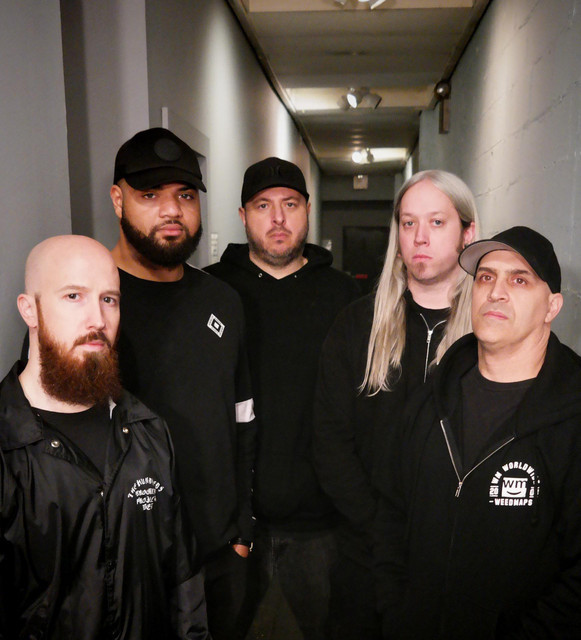
The incident also demonstrates how metal's embrace of maximum sensory impact can create unintended consequences. What begins as artistic vision can quickly become logistical nightmare, suggesting that the most successful productions balance ambition with practical venue considerations.
The CBGB Legacy and Electronic Crossover
The Prodigy's Brooklyn return after 17 years as part of CBGB Festival programming represents another facet of metal's expanding definition. While not strictly metal, their electronic aggression has influenced countless metal acts, and their appearance at a festival honoring CBGB's legacy acknowledges how punk's foundational energy translates across genres.
This cross-pollination reflects broader trends within the New York metal scene, where boundaries between electronic music, hardcore, and metal continue dissolving. Acts incorporating industrial elements or electronic textures find growing acceptance within metal programming, suggesting that genre purity matters less than intensity and innovation.
For emerging New York acts, The Prodigy's inclusion in heritage festival programming demonstrates how electronic elements can enhance rather than compromise metal authenticity. The key lies in using technology to amplify aggression rather than replace it, maintaining the physical impact that defines heavy music.
Streaming Economics and Artistic Ethics
Mars Volta's Cedric Bixler-Zavala's recent criticisms of Spotify's investment practices highlight ongoing tensions between artistic integrity and platform economics. His statements about the streaming service's military investments reflect broader concerns about how digital music distribution indirectly funds activities that contradict many metal artists' values.
These ethical considerations become particularly relevant for independent metal acts who rely on streaming revenue but question the moral implications of platform partnerships. New York's diverse metal ecosystem includes numerous bands operating on strict ethical principles, creating potential conflicts between financial necessity and ideological consistency.
The situation suggests that successful metal careers in 2026 require not just musical competence but also strategic thinking about platform relationships and their broader implications. Artists must balance practical revenue needs with ethical considerations, particularly as fan awareness of these issues increases.
Regional Scene Implications
These developments collectively suggest that New York's metal scene operates within increasingly complex creative and commercial landscapes. The state's heritage as birthplace for numerous influential metal movements creates both opportunities and pressures for contemporary acts. Veterans like Pro-Pain demonstrate that extended creative development periods can yield powerful results, while The Smashing Pumpkins show how anniversary programming can create new revenue streams.
For emerging acts, these models offer different templates for sustainable careers. Some may benefit from the comprehensive anniversary tour approach, treating milestone celebrations as major creative projects. Others might find greater success in extended development periods, allowing material to mature away from commercial pressures.
The key insight across all these approaches involves understanding metal's evolution beyond simple genre boundaries. Success in 2026 requires strategic thinking about timing, presentation, and ethical considerations alongside traditional concerns about songwriting and performance. New York's metal acts are well-positioned to navigate these complexities, given the region's history of innovation and authentic artistic development.
As metal continues expanding its definition while maintaining core intensities, New York's diverse heavy music ecosystem provides ideal testing ground for these various approaches to career development and artistic authenticity.