Documentary Authenticity and Big Four Returns Challenge Metal's Narrative Control Revolution
The convergence of artist-controlled storytelling and legendary band returns is fundamentally reshaping how metal artists manage their public narratives, creating a revolution in authenticity that extends far beyond traditional publicity strategies. This shift toward narrative control represents a significant departure from industry-managed messaging, with implications that resonate throughout New York's diverse heavy music ecosystem.
Documentary Truth-Telling Meets Industry Skepticism
Ann Wilson's commitment to unflinching honesty in her authorized documentary "In My Voice" establishes a bold template for artist-controlled storytelling that prioritizes authentic narrative over sanitized publicity. Her insistence that the film "tells the story" rather than serving as a "whitewash" demonstrates how veteran artists are reclaiming control over their legacies through direct, unfiltered communication with audiences.
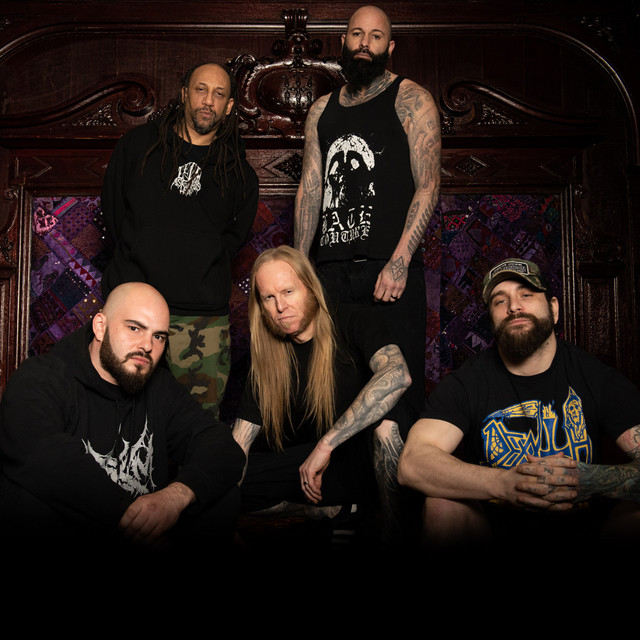
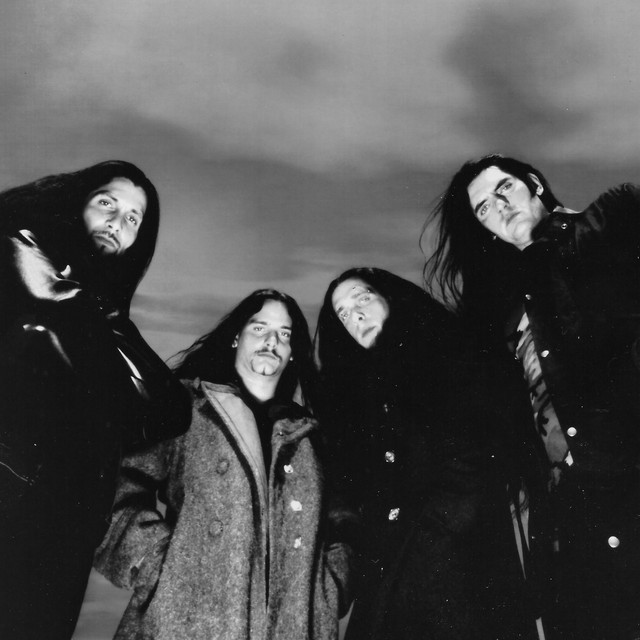
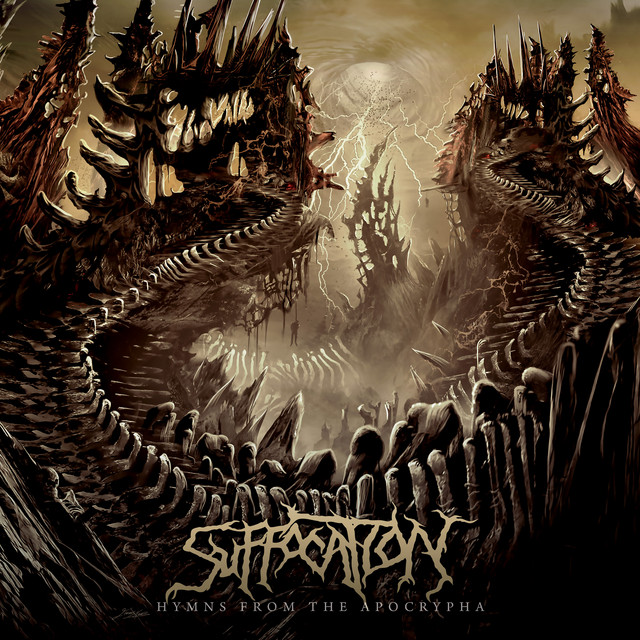
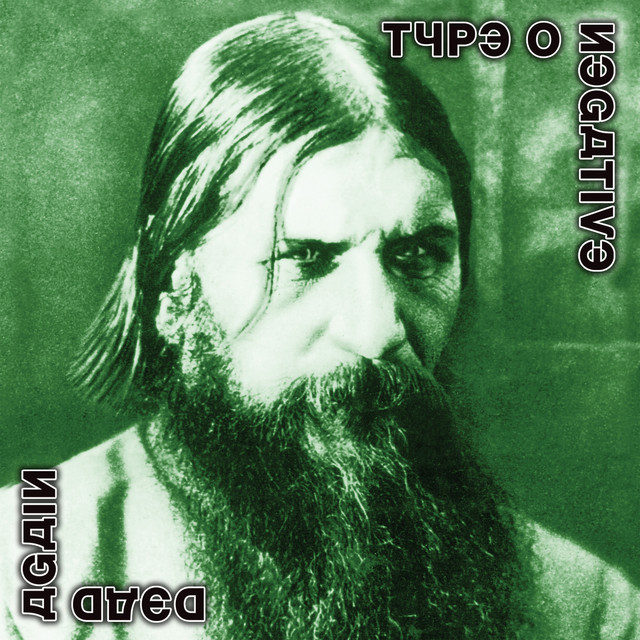
This approach to documentary filmmaking reflects broader industry trends toward transparency and authentic representation, particularly relevant for New York's metal scene where bands like Suffocation and Type O Negative have long valued authentic expression over commercial polish. Wilson's methodology suggests that successful narrative control requires courage to address difficult subjects rather than avoiding them.
The contrast between authorized honesty and typical industry messaging creates new expectations for how metal artists engage with their histories. When established artists demonstrate willingness to confront uncomfortable truths about their careers, it establishes precedent for emerging acts to prioritize authenticity over calculated image management.
Big Four Veterans Demonstrate Strategic Patience
Anthrax's return with "Cursum Perficio," their first album in ten years, exemplifies how strategic timing can maximize impact while maintaining artistic integrity. Scott Ian's political commentary regarding child protection demonstrates how veteran metal artists leverage their platforms for social messaging that transcends traditional promotional boundaries.
The band's decade-long absence from recording creates anticipation that cannot be manufactured through frequent releases or social media campaigns. This patience-based approach to career management offers valuable lessons for New York's metal bands navigating between creative authenticity and commercial viability. The exclusive vinyl variant partnership with Metal Injection demonstrates how limited-edition strategies can generate collector interest while maintaining underground credibility.
Ian's willingness to address political issues during promotional interviews illustrates how veteran artists can integrate social commentary into their public presence without compromising their musical message. This balance between artistic expression and political engagement provides a template for regional acts seeking to address social issues through their platforms.
Exhibition Events and Legacy Celebration
Slayer's extended "Reign in Blood" anniversary celebrations demonstrate how strategic legacy management can maintain relevance while honoring historical achievements. The addition of anniversary shows to their victory lap approach suggests that even retired bands can leverage their catalogs for meaningful fan engagement without compromising their farewell statements.
This celebration-focused approach to legacy management offers insights for New York's veteran metal acts considering how to honor their contributions while maintaining artistic dignity. The "Reign in Blood" anniversary strategy proves that specific album celebrations can generate more authentic engagement than generic reunion tours or nostalgic greatest-hits presentations.
The success of targeted anniversary programming suggests that regional scenes benefit when veteran acts choose focused celebration over broad nostalgia. Local bands can observe how specific achievement recognition creates more meaningful connections with audiences than general career retrospectives.
Electronic Crossover and CBGB Legacy
The Prodigy's participation in CBGB Festival weekend, marking their first New York City performance in seventeen years, demonstrates how electronic pioneers can bridge into metal contexts while maintaining their core identity. Their Under The K Bridge Park appearance suggests strategic venue selection that honors both their electronic roots and the festival's punk heritage.
This crossover programming reflects broader trends in festival curation that prioritize genre-blending over traditional boundaries. For New York's metal scene, The Prodigy's inclusion demonstrates how electronic elements can enhance rather than dilute heavy music programming, creating opportunities for local acts exploring similar sonic territories.
The CBGB brand's continued relevance through festival programming illustrates how historical venues can maintain cultural impact through strategic event curation. This legacy utilization provides models for New York metal venues and promoters seeking to honor the region's musical history while programming contemporary acts.
Regional Implications and Scene Development
These developments in narrative control and strategic patience create templates that New York's metal bands can adapt for their own career development. The emphasis on authenticity over promotion, strategic timing over constant output, and focused celebration over general nostalgia offers practical guidance for regional acts at various career stages.
Pro-Pain's return with "Stone Cold Anger" after more than a decade demonstrates how New York metal veterans can maintain their intensity while embracing strategic timing. Gary Meskil's preserved "fire, fury and unerring ability to write" proves that extended absences can enhance rather than diminish artistic impact when the return is properly timed and authentically motivated.
The combination of veteran returns and electronic crossovers creates diverse opportunities for New York's metal scene to explore both traditional and experimental approaches. Bands can observe how established acts balance authenticity with innovation, using these examples to develop their own strategies for sustainable career development.
Performance Innovation and Technical Challenges
Dethklok's Milwaukee concert disruption due to smoke effects triggering fire alarms highlights the technical challenges facing modern metal performances. While this incident occurred outside New York, it demonstrates how ambitious stage production can create unexpected obstacles that touring acts must navigate.
The smoke alarm incident illustrates broader issues surrounding metal's theatrical presentation and venue safety requirements. New York metal bands planning elaborate stage shows can learn from this experience about coordinating special effects with venue management and fire safety protocols to prevent similar disruptions.
These technical challenges emphasize the importance of thorough preparation and venue communication for metal acts incorporating visual elements into their performances. The incident serves as a reminder that theatrical ambition must be balanced with practical venue limitations and safety requirements.
Creative Evolution and Artist Development
Alissa White-Gluz's Blue Medusa project, releasing "Flying Monkey" as their second single, demonstrates how established metal vocalists can explore new creative territories while leveraging their existing fan bases. The rapid success of "Checkmate" proves that side projects can generate significant enthusiasm when they offer genuine artistic exploration rather than mere diversification.
This approach to creative expansion offers insights for New York metal musicians considering side projects or collaborative ventures. White-Gluz's success with Blue Medusa suggests that authentic creative exploration resonates more strongly with audiences than calculated commercial ventures.
The project's momentum demonstrates how established artists can use their reputations to launch experimental work while maintaining their primary band commitments. This balance between exploration and consistency provides valuable guidance for regional artists considering similar creative expansions.
As 2026 progresses, these developments in narrative control, strategic timing, and authentic expression continue reshaping expectations for how metal artists engage with their audiences and manage their careers. The emphasis on truthful storytelling, patient development, and focused celebration creates new standards for artistic integrity that will influence both veteran acts and emerging bands throughout New York's metal scene and beyond.