Summer Nu-Metal Revival and Traditional Recording Philosophy Create New Career Templates for Metal's Business Evolution
The summer touring circuit is witnessing an unexpected nu-metal resurgence, while veteran acts demonstrate that traditional recording methods remain viable in an increasingly digital industry. These parallel developments are creating new templates for career sustainability that could reshape how regional metal scenes approach both performance and production strategies.
Nu-Metal's Strategic Summer Return
The announcement of Nonpoint, SOiL, Spineshank, and (Hed)p.e.'s summer touring package represents more than nostalgia marketing—it signals a calculated business strategy that acknowledges nu-metal's enduring fanbase while capitalizing on the genre's streaming renaissance. This four-band lineup combines acts that maintained consistent touring schedules with those returning after extended absences, creating a template for how dormant genres can re-enter the market.
The timing aligns perfectly with broader industry trends showing renewed interest in late 90s and early 2000s metal subgenres. Unlike the typical "anniversary tour" approach that many veteran acts employ, this package positions these bands as active contemporary forces rather than historical curiosities. For regional scenes, this demonstrates how genre-specific touring packages can create sustainable revenue streams without relying solely on local draw or major label support.
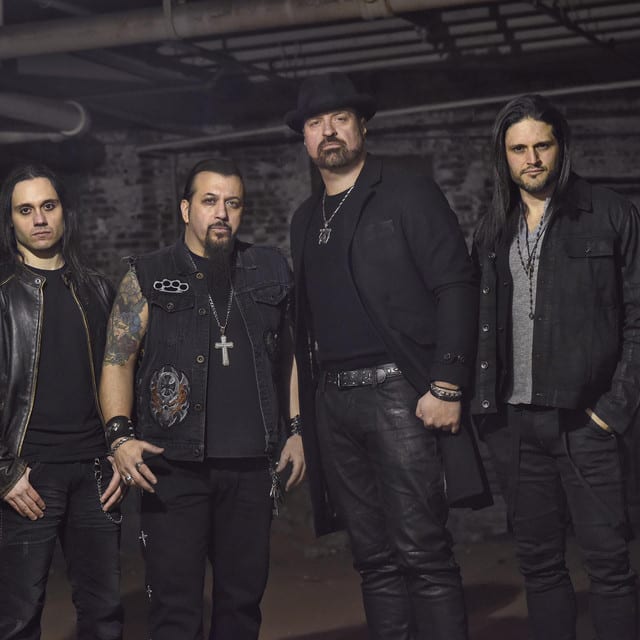
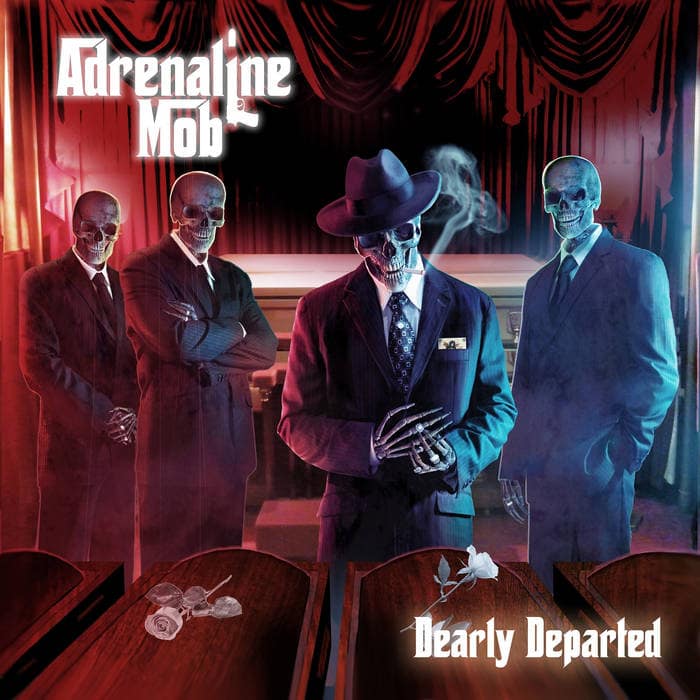
The groove metal elements present in several of these acts connect directly to Adrenaline Mob's approach to blending accessibility with heaviness, showing how New York artists have contributed to the template these touring acts now employ. The business model—combining established headliners with complementary supporting acts—offers lessons for how regional metal bands can structure their own touring strategies.
Traditional Recording Philosophy Challenges Industry Standards
While the industry pushes toward faster, more technology-dependent production methods, John Bush's recent comments about Armored Saint's recording approach reveal a counter-movement that prioritizes musical authenticity over technological convenience. His emphasis on allowing music to "breathe" rather than relying on digital shortcuts represents a philosophy that could reshape how both major and independent acts approach album production.
This traditional approach directly challenges the prevailing wisdom that modern metal requires extensive digital manipulation to compete commercially. Bush's statements suggest that audiences are responding positively to more organic production values, creating opportunities for bands willing to invest in traditional recording methods. The implications extend beyond sound quality to encompass the entire creative process, from songwriting to final mix decisions.
The contrast between Armored Saint's methodical approach and Korn's revelation about writing nearly 40 songs for their upcoming album illustrates two valid but distinct strategies. While Korn's prolific output demonstrates one path to maintaining relevance, Armored Saint's emphasis on quality over quantity offers an alternative that may prove more sustainable for bands with limited resources.
Professional Development Through Veteran Perspectives
The recent discussions from established artists provide valuable insights into professional development within the metal industry. Bruce Kulick's reflections on his Kiss tenure offer practical lessons about managing expectations and maintaining dignity during career transitions. His acknowledgment that he "knew at some point it would probably end" demonstrates the kind of realistic career planning that benefits artists at all levels.
Similarly, Dirk Verbeuren's perspective on joining Megadeth illustrates how established artists can continue evolving their careers by aligning with legendary acts. His comments about Dave Mustaine's role in creating thrash metal reflect the kind of industry knowledge that helps musicians understand their place within genre history—crucial information for developing long-term career strategies.
Gary Meskil's discussion of hardcore's essential vocalists provides another angle on professional development, showing how artists can build authority within their genres through thoughtful analysis of their influences. This approach to establishing expertise creates opportunities for speaking engagements, writing opportunities, and educational roles that supplement touring income.
Regional Scene Implications
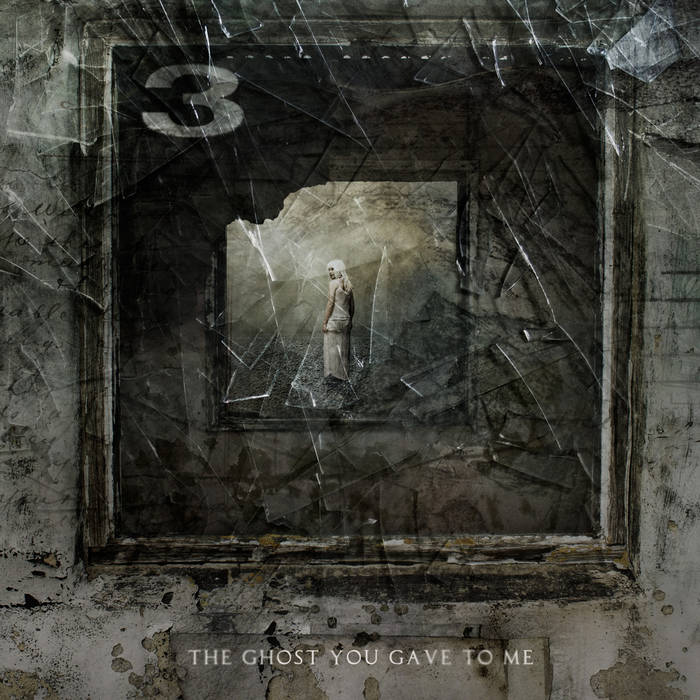
These developments create multiple opportunities for New York's metal scene. The success of nu-metal touring packages suggests that regional festivals could benefit from genre-specific programming rather than attempting to appeal to all metal subgenres simultaneously. Local promoters might find more success by focusing on specific movements—whether that's progressive metal acts like 3 or the kind of experimental approaches that Spire represents.
The traditional recording philosophy discussion offers particularly relevant insights for New York's studio infrastructure. As major acts increasingly value organic production methods, regional recording facilities that specialize in traditional techniques could attract higher-profile clients willing to travel for authentic sound. This represents a potential revenue stream that doesn't require major equipment investments—just expertise and commitment to craft.
The professional development aspects highlighted by veteran artists provide templates that emerging New York metal acts can adapt to their own career planning. Understanding how to manage transitions, build genre expertise, and maintain professional relationships becomes increasingly important as the industry evolves away from traditional label support structures.
Business Model Evolution
The combination of strategic touring packages, traditional recording approaches, and veteran wisdom creates a business model that prioritizes sustainability over rapid growth. This approach acknowledges that most metal acts will never achieve mainstream success but can build sustainable careers through careful planning and authentic artistic development.
Randy Blythe's recent emphasis on political engagement adds another dimension to this model, showing how artists can build authority and fan loyalty through thoughtful commentary on contemporary issues. This approach requires genuine conviction rather than calculated positioning, but it creates opportunities for deeper fan connections that translate into long-term career sustainability.
The international touring plans announced by A Perfect Circle and Puscifer for 2026 demonstrate how established acts are planning further into the future, suggesting that successful metal careers require long-term strategic thinking rather than reactive decision-making. This forward-planning approach could benefit regional scenes willing to adopt similar methodical approaches to career development.
Technology and Authenticity Balance
The tension between technological advancement and musical authenticity runs throughout these recent developments. While some acts embrace extensive digital production and social media engagement, others prioritize traditional methods and direct fan communication. The most successful approach appears to involve selective adoption of technology that enhances rather than replaces human creativity.
This balance becomes particularly relevant for regional scenes that may lack access to cutting-edge technology but possess strong musical communities and authentic creative environments. The emphasis on allowing music to "breathe" suggests that technological limitations might actually provide competitive advantages for acts willing to embrace them as creative constraints rather than obstacles.
As the industry continues evolving, these examples provide valuable templates for how metal acts can build sustainable careers without sacrificing artistic integrity. The key appears to be understanding which innovations serve the music and which ones merely follow industry trends.