Rock Expo Spectacles and Fan Phone Attacks Expose Metal's Celebrity Circus Culture as Iron Maiden Veterans Prepare Literary Legacies
Gene Simmons' upcoming Legends Of Rock Expo in Las Vegas represents everything that's simultaneously brilliant and absurd about metal's celebrity culture in 2026. Scheduled for September at Westgate Las Vegas Resort & Casino, the expo promises "once-in-a-lifetime moments" with legends like Geezer Butler, Stewart Copeland, and Dave Davies. It's the kind of high-production spectacle that makes veteran musicians accessible to fans while transforming musical legends into convention attractions.
But this expo culture exists in stark contrast to the raw reality of modern metal performances, where fans literally weaponize their phones against performers. Oli Sykes of Bring Me The Horizon discovered this firsthand during a St. Louis show when a fan's phone struck him in the head, leaving him dizzy and forcing the band to cut "YOUtopia" from their setlist. The incident perfectly encapsulates the toxic relationship between audience desperation for content and performer vulnerability.
Celebrity Expo Culture Versus Underground Authenticity
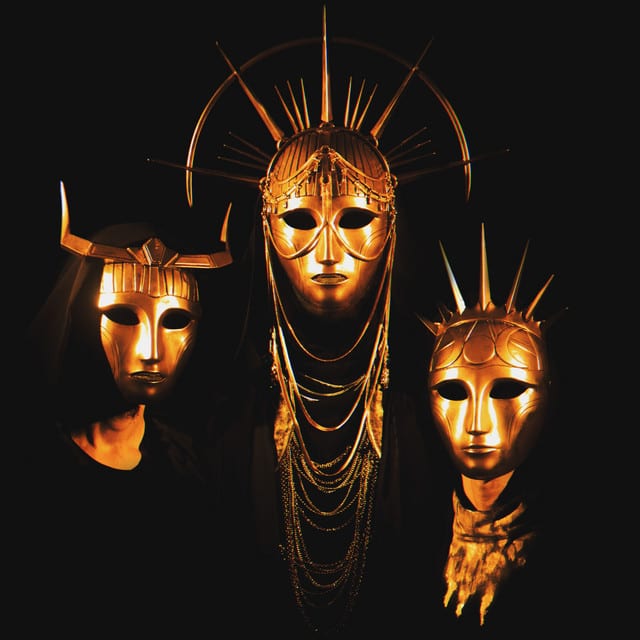
The disconnect between Vegas expo presentations and actual metal performance reality creates fascinating tensions for regional scenes like New York's. While Simmons packages rock legends as expo attractions, local venues continue hosting shows where genuine musical connection happens without VIP experiences and convention halls. The Imperial Triumphant approach to avant-garde metal performance, for instance, relies on intimate venue atmospherics that can't be replicated in casino convention spaces.
Simmons' expo model treats legendary musicians as collectible experiences, complete with photo opportunities and premium access packages. It's a far cry from the underground ethos that built metal's foundation, yet it serves an undeniable purpose in preserving access to artists who might otherwise remain unreachable. The question becomes whether these sanitized celebrity encounters enhance or diminish the raw power that originally made these musicians legendary.
Meanwhile, the St. Louis phone incident reveals how modern audiences struggle with boundaries between documentation and participation. Fans feel entitled to capture every moment, even when that impulse literally harms the performers they claim to support. It's a behavior pattern that regional scenes must navigate carefully as social media pressure intensifies.
Iron Maiden's Literary Legacy Strategy
Nicko McBrain's announcement of his autobiography "Hello Boys And Girls!" scheduled for October 2026 represents a more sophisticated approach to legacy management than casino expos. The Iron Maiden drummer's decision to publish through Harper Nonfiction suggests serious literary ambitions rather than quick cash-grab celebrity memoir territory.
McBrain's timing is strategic - Iron Maiden remains actively touring and recording, making this autobiography a mid-career reflection rather than a retirement farewell. For one of the best metal bands of all time, having individual members document their experiences preserves institutional knowledge while the band continues creating new material. It's a model that younger bands should observe carefully.
The literary approach also contrasts sharply with the expo spectacle model. Where Simmons creates temporary convention experiences, McBrain builds permanent historical record. His book will exist long after Vegas weekend events fade from memory, contributing to metal's scholarly documentation and cultural legitimacy.
Zakk Wylde's Career Philosophy Resonates With Regional Scenes
Zakk Wylde's recent advice to young musicians - "Dedicate your life to it, 'cause you don't wanna have some crummy job that you hate" - carries particular weight for New York metal scene participants. His journey from New Jersey gas station worker to Ozzy Osbourne's guitarist represents the classic American metal success story, but his advice requires careful interpretation in 2026's economic reality.
Wylde's philosophy works best when combined with practical business understanding rather than naive artistic martyrdom. The New York metal scene offers numerous examples of musicians who've built sustainable careers through dedication combined with smart networking and diversified income streams. Sanhedrin exemplifies how heavy metal bands can maintain artistic integrity while building professional sustainability.
The challenge for new metal bands 2026 becomes balancing Wylde's total commitment philosophy with realistic financial planning. Pure dedication without business acumen often leads to the "crummy jobs" he warns against, while pure business focus can drain the passion that makes metal meaningful.
International Touring Announcements Signal Recovery
Amorphis announcing their "Borderland Tour 2027" dates with Insomnium and Unto Others represents the international touring circuit's continued recovery and expansion. While these specific dates focus on European markets, the announcement pattern indicates robust planning for metal bands touring 2026 and beyond.
For regional scenes, these international touring announcements create ripple effects through opening slot opportunities and venue booking precedents. When major acts confirm extensive touring plans, it signals venue confidence and insurance stability that benefits smaller acts seeking tour support.
The Finnish melodic death metal touring package also demonstrates how regional metal styles can achieve global reach through strategic partnerships. New York's diverse metal scene contains numerous bands that could benefit from similar collaborative touring approaches, particularly Crushing Force and other melodic death metal acts that share aesthetic territory with these international headliners.
Mastodon's Emotional Evolution
Brann Dailor's preview of Mastodon's "emotional" new album, including his homage to Chris Cornell, represents another veteran band embracing vulnerability and artistic growth. His vocal contributions since 2009's "Crack The Skye" demonstrate how 80s metal bands and their successors continue evolving rather than repeating established formulas.
Dailor's cleaner vocal approach complementing Troy Sanders and Brent Hinds' rougher styles creates textural variety that younger bands should study. The willingness to incorporate emotional range rather than maintaining consistent aggression shows artistic maturity that regional scenes can emulate.
The Cornell tribute element also highlights metal's increasing comfort with cross-genre influence acknowledgment. Where earlier generations might have hidden non-metal influences, contemporary artists openly celebrate diverse inspirations, creating richer musical conversations.
Regional Scene Implications
These celebrity spectacles, fan behavior incidents, and veteran band strategies offer valuable lessons for New York's metal community. The contrast between Vegas expo culture and authentic underground performance highlights the importance of maintaining genuine artistic spaces while building professional opportunities.
Local venues and promoters can learn from both models - creating special events that celebrate metal history without losing the intimate connection that makes regional scenes vital. The key lies in balancing accessibility with authenticity, ensuring that commercial success doesn't eliminate the raw power that originally attracted fans to heavy music.
For emerging bands, the combination of Wylde's dedication philosophy, McBrain's legacy documentation approach, and Mastodon's emotional evolution provides a roadmap for sustainable artistic development. Success requires total commitment balanced with strategic thinking and willingness to grow beyond initial stylistic limitations.
As 2026 continues unfolding, these tensions between spectacle and authenticity, celebrity and artistry, will continue shaping how metal culture develops both nationally and regionally. New York's metal scene, with its diverse venues and sophisticated audiences, remains ideally positioned to navigate these challenges while maintaining the underground credibility that makes heavy music meaningful.