Legacy Acts Face Retirement Crossroads While Second-Generation Collaborations Define Metal's Generational Evolution
The metal world is witnessing a fascinating generational shift as veteran acts openly discuss retirement plans while the children of rock legends forge their own collaborative paths. This transformation reflects broader changes happening across the heavy music landscape, including here in New York's diverse metal ecosystem.
The Retirement Reality Check
Sevendust drummer Morgan Rose recently revealed that retirement discussions were seriously considered before the creation of their latest album "One." This level of transparency about career transitions represents a significant departure from the traditional rock star mystique, where aging was rarely acknowledged publicly. Rose's candid admission that retirement was "absolutely discussed" before moving forward with new material demonstrates how modern metal veterans are approaching their careers with unprecedented honesty.
Similarly, Tesla bassist Brian Wheat has been forthright about the economic realities facing working musicians. His statement that the band members are "not wealthy guys" and depend on live performances for their livelihood shatters romantic notions about rock star finances. This transparency creates important conversations about sustainability in metal careers, particularly relevant for New York metal scene artists navigating similar economic challenges.
The retirement discussion trend extends beyond individual artists to entire scenes. Massachusetts metallers Shadows Fall are celebrating their 30th anniversary with a special hometown concert in Springfield, marking what could be a capstone moment for the pioneering metalcore act. Their decision to book only one show for the year suggests a measured approach to legacy preservation rather than aggressive touring schedules.
Second-Generation Collaborative Ventures
While veterans contemplate their exits, rock royalty offspring are creating their own musical narratives. Stanley Simmons, the collaborative project between Evan Stanley and Nick Simmons—sons of Kiss legends Paul Stanley and Gene Simmons respectively—released their third single "Temporary Love" alongside a music video. This partnership represents something different from typical nepotistic ventures; it's a genuine creative collaboration between two individuals who grew up understanding the music industry's complexities.
The Stanley Simmons project signals how second-generation musicians are approaching their inherited legacies. Rather than attempting to recreate their fathers' theatrical hard rock formula, they're exploring contemporary sounds while maintaining professional production standards. This approach could influence how other legacy families navigate the challenging balance between honoring heritage and establishing independent artistic identities.
Genre Evolution and Cover Song Strategies
Crossbreed's announcement of covering EMF's "Unbelievable" following their first new album since 2009 represents another fascinating trend in metal's current landscape. The choice to cover a 1990s alternative dance hit demonstrates how modern metal acts are mining unexpected source material for creative inspiration. This cross-pollination between genres reflects the increasingly diverse listening habits of both musicians and audiences.
The cover song strategy has evolved beyond simple tribute gestures into sophisticated promotional tools. By selecting recognizable but unexpected source material, bands like Crossbreed can attract attention from both their existing fanbase and curious newcomers drawn by the familiar song title. This technique could prove particularly valuable for new metal bands 2026 seeking to break through increasingly crowded digital landscapes.
Political Commentary and Artistic Responsibility
Megadeth's Dave Mustaine recently addressed questions about celebrity political influence, stating he doesn't believe people should listen to celebrities about voting decisions. This perspective represents a nuanced approach to the intersection of entertainment and politics, particularly relevant as metal artists increasingly face pressure to take public stances on social issues.
Mustaine's position reflects a broader conversation within metal about artistic responsibility and audience expectations. While some artists embrace political messaging as integral to their creative expression, others prefer maintaining focus on musical rather than ideological content. This debate continues shaping how metal artists, including those in the New York scene, navigate public discourse while maintaining artistic integrity.
Album Development Cycles and Creative Patience
Extreme guitarist Nuno Bettencourt's description of their upcoming seventh album as "a true rock and roll album, and it's nonstop" suggests careful attention to cohesive artistic vision rather than rushed production timelines. This approach to album development reflects industry-wide shifts toward quality over quantity, particularly important as streaming platforms make individual songs more prominent than full album experiences.
The emphasis on creating "true rock and roll" albums speaks to authenticity concerns throughout the metal community. Artists increasingly face pressure to maintain genuine creative expression while adapting to modern promotional and distribution realities. This balance proves especially challenging for 80s metal bands and other veteran acts working to stay relevant without compromising their core artistic identities.
Solo Project Exploration and Creative Expansion
Chad Gray's openness to releasing new solo material alongside his work with Mudvayne and Hellyeah demonstrates how modern metal musicians are embracing multiple creative outlets. His "30 Years Of Madness" live series provides opportunities for experimental performances while maintaining his established band commitments.
This multi-project approach reflects broader changes in how metal artists build sustainable careers. Rather than depending solely on single band success, many musicians are developing diverse creative portfolios including solo work, collaborations, and special project performances. This strategy could particularly benefit New York metal artists who have access to diverse collaborative opportunities within the region's rich musical ecosystem.
Local Scene Implications
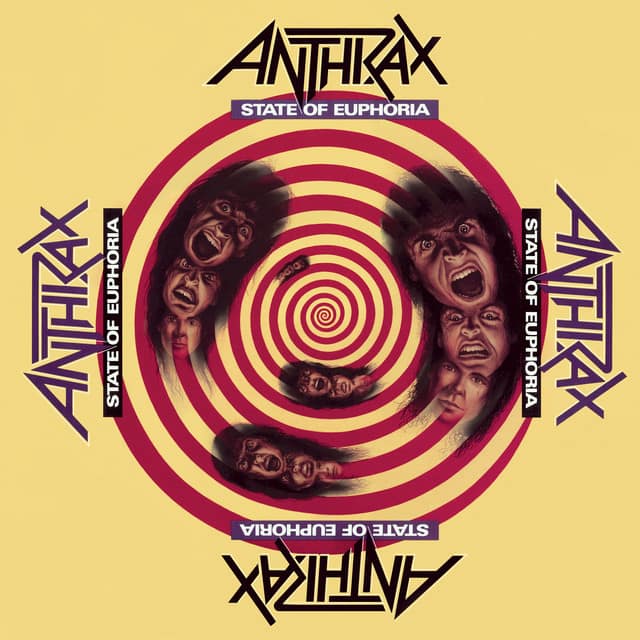
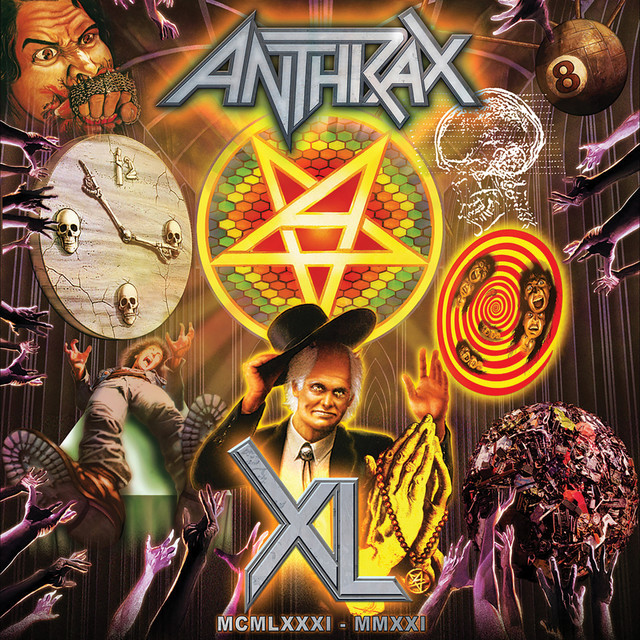
These industry-wide trends create significant opportunities for New York's metal community. The state's veteran acts like Anthrax have long demonstrated how to balance legacy maintenance with continued creative evolution, providing roadmaps for younger artists navigating similar challenges.
The transparency about career realities and retirement planning could prove particularly valuable for emerging New York metal acts. Understanding the economic and creative challenges faced by established artists helps younger musicians make informed decisions about their own career development strategies.
As the metal world continues evolving through generational transitions, collaborative innovations, and changing industry dynamics, New York's diverse metal scene remains well-positioned to both contribute to and benefit from these broader transformations. The combination of veteran experience, emerging talent, and creative infrastructure continues making the Empire State a crucial center for heavy music development.