Lineup Transformations and Retirement Discussions Define Veteran Metal Bands' Career Transitions as New York Scene Witnesses Generational Evolution
The metal world is experiencing a fascinating period of transition as veteran bands navigate drummer changes, contemplate retirement, and embrace reinvention strategies that reflect decades of industry evolution. Recent developments showcase how established acts are handling career pivots with unprecedented transparency, creating valuable case studies for New York metal scene veterans and emerging bands alike.
Drummer Departures Drive Creative Renewals
Godsmack's debut performance with new drummer Wade Murff at Welcome To Rockville festival marks another significant lineup transition in modern metal. The Massachusetts veterans showcased their adaptability by seamlessly integrating Murff alongside core members Sully Erna, Robbie Merrill, and Sam Hill, demonstrating how established acts can maintain their sonic identity while embracing fresh rhythmic perspectives.
This drummer transition reflects broader patterns across heavy music, where rhythmic changes often catalyze creative renewal rather than disruption. For bands celebrating multiple decades of activity, lineup evolution becomes essential for maintaining artistic vitality and avoiding creative stagnation.
The strategic timing of Murff's introduction at a major festival environment suggests careful planning around high-visibility opportunities. This approach creates positive momentum for upcoming tour cycles while allowing both band and audience to adjust gradually to the new dynamic.
Retirement Conversations Shape Band Longevity
Perhaps more revealing is Sevendust drummer Morgan Rose's candid discussion about retirement considerations prior to their "One" album creation. His frank admission that "retirement was absolutely discussed" offers rare insight into veteran bands' decision-making processes and the factors that ultimately drive continued activity versus stepping away.
Atlanta's Sevendust represents the type of consistent, touring-focused metal act that many best metal bands aspire to emulate. Their upcoming first European headline tour in eight years, following successful arena support slots with Alter Bridge, demonstrates how strategic planning and selective touring can reinvigorate band careers even after retirement discussions.
Rose's transparency about internal band conversations reflects metal's evolving culture of honesty regarding career sustainability. Rather than projecting endless commitment, veteran musicians increasingly acknowledge the physical and creative challenges of multi-decade careers while explaining their motivations for continuing.
Post-Hardcore Innovation Continues
Southern California's Movements announced their fourth full-length album "Happier Now" for September release via Fearless Records, accompanied by dual singles "Dissolve Me" and "Back In My Ways." This prolific output schedule demonstrates how post-hardcore bands maintain relevance through consistent content creation rather than extended album cycles.
The post-hardcore scene's emphasis on emotional vulnerability and technical proficiency continues attracting diverse audiences, creating opportunities for crossover appeal beyond traditional metal demographics. Movements' reputation for combining technical skill with accessible songwriting offers valuable lessons for New York's hardcore and metalcore acts seeking broader audience development.
Instrumental Releases Expand Fan Engagement
Sleep Token's instrumental version of "Even In Arcadia" commemorates the album's anniversary while showcasing their complex musical arrangements without vocal overlay. This strategy allows fans to appreciate the band's sophisticated instrumental work while creating additional content from existing material.
The timing of instrumental releases around album anniversaries represents smart catalog management, extending promotional cycles without requiring extensive new recording investments. For New York's progressive and technical metal bands, this approach offers sustainable ways to maintain fan engagement between major album releases.
Vocalist Transitions and Creative Control
Erik Grönwall's departure from Skid Row after two years highlights the ongoing challenges veteran bands face in maintaining stable lineups while pursuing creative evolution. His statement about wanting to continue but being unable to "find common ground" suggests artistic differences rather than personal conflicts drove the separation.
These high-profile vocalist changes demonstrate how creative control discussions become increasingly complex as bands balance individual artistic visions with collective decision-making. For established acts, finding vocalists who complement existing musical directions while bringing fresh perspectives requires careful negotiation of creative boundaries.
Grönwall's transition to solo work following his Skid Row tenure reflects broader industry trends toward individual artistic expression alongside band commitments. This dual-career approach allows musicians to explore personal creative interests while maintaining collaborative relationships.
Genre Boundary Expansion
DragonForce's addition of Alissa White-Gluz from Arch Enemy represents significant genre boundary crossing, bringing extreme metal credibility to their power metal foundation. White-Gluz's enthusiasm for "bringing such iconic music to life with these amazingly skilled musicians" suggests genuine artistic interest beyond simple guest appearances.
These cross-genre collaborations create opportunities for audience expansion and artistic challenge, particularly valuable for bands seeking creative renewal after extensive catalog development. For New York's diverse metal scene, such collaborations demonstrate effective strategies for building bridges between different metal subgenres.
Regional Scene Implications
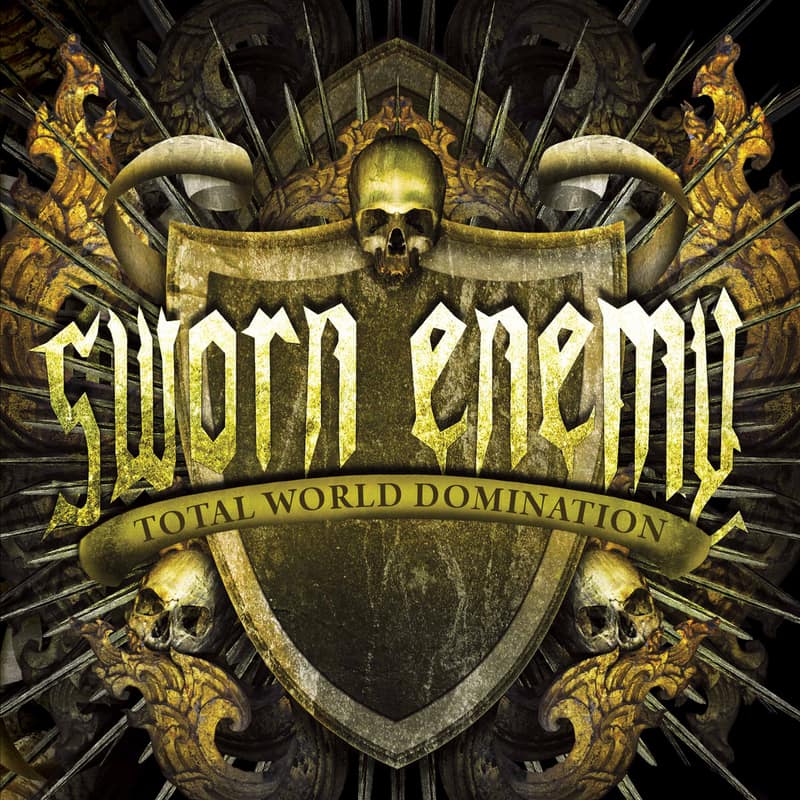
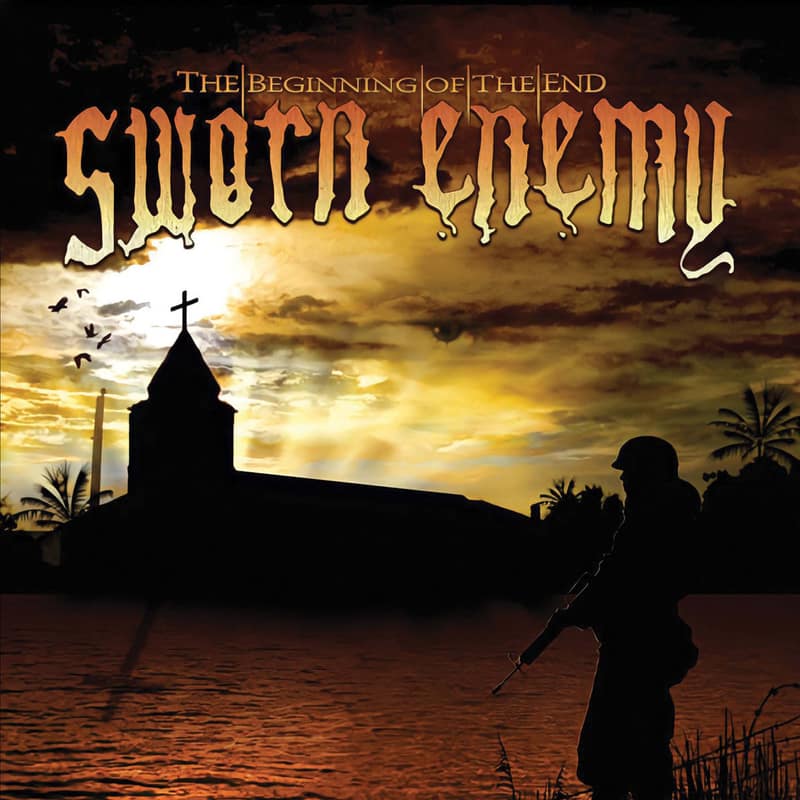
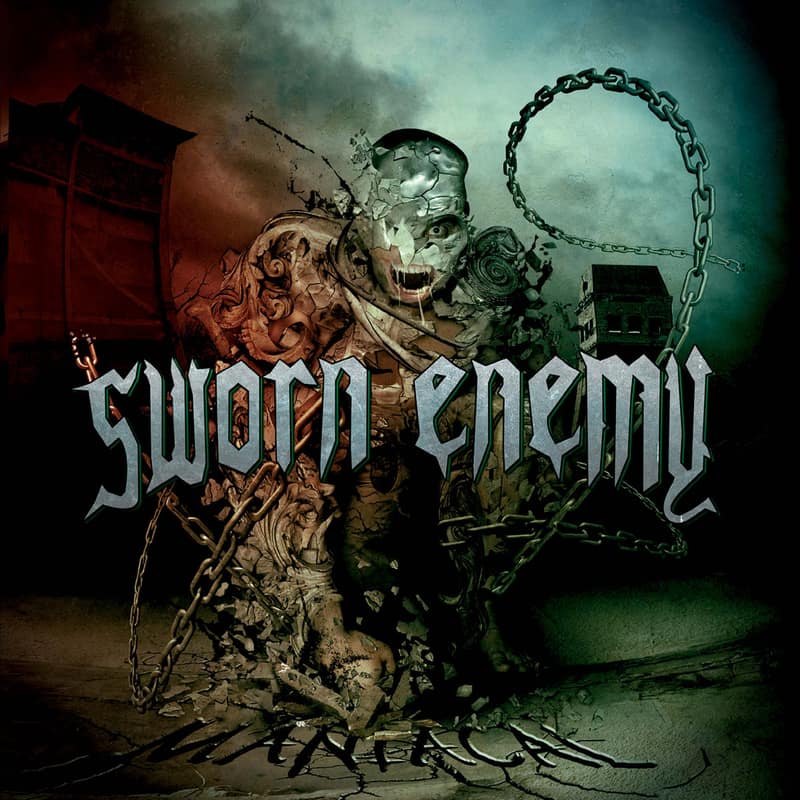
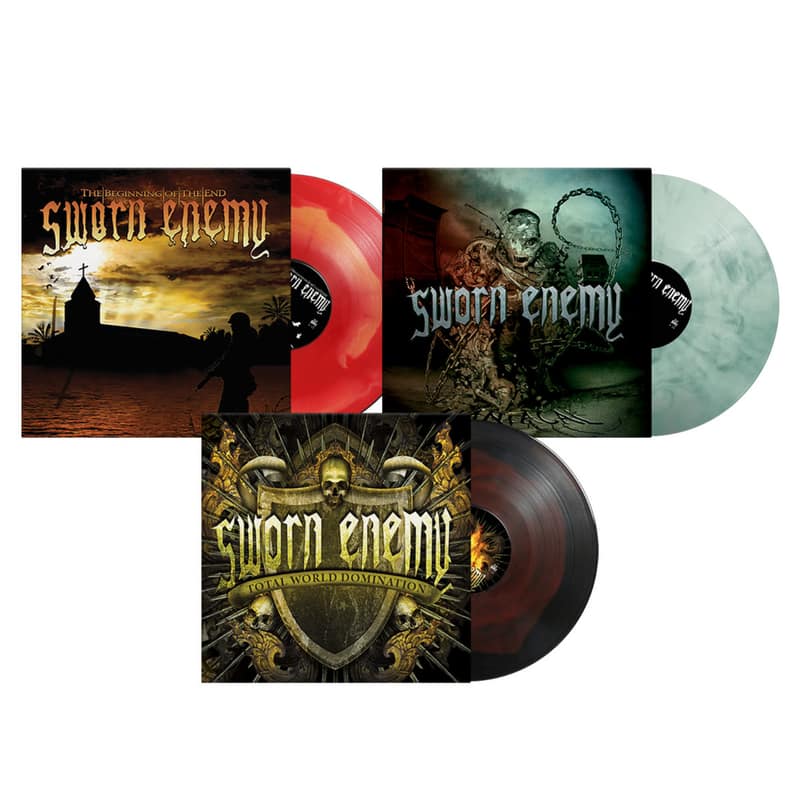
New York's veteran metal acts can draw valuable lessons from these industry developments regarding lineup transitions, retirement planning, and creative reinvention. Bands like Sworn Enemy and other established regional acts benefit from observing how national bands navigate similar challenges while maintaining their core artistic identities.
The emphasis on transparency in band communications, strategic touring decisions, and collaborative approaches to creative differences reflects industry maturation that benefits regional scenes. Local bands can implement similar communication strategies and business practices without requiring major label support or national touring infrastructure.
For emerging New York bands, these examples demonstrate the importance of establishing clear creative processes and communication protocols early in band development. Understanding how veteran acts handle internal discussions about career direction and artistic evolution provides valuable frameworks for long-term band sustainability.
Economic Realities and Sustainability
Tesla bassist Brian Wheat's frank discussion about live performance economics reveals important truths about metal band finances. His acknowledgment that "we are not wealthy guys" and that live performances represent primary income sources reflects realities facing most professional metal musicians, regardless of career length or past success.
These economic discussions provide crucial context for understanding band decision-making regarding touring frequency, lineup stability, and career longevity. For metal bands touring 2026, understanding these financial realities helps explain strategic choices about tour routing, festival participation, and career pacing.
Wheat's comments also validate the experiences of regional and underground bands, demonstrating that financial challenges persist across all levels of metal band activity. This transparency helps newer bands develop realistic expectations about music industry economics and career sustainability.
Future Implications
As veteran metal bands increasingly embrace transparency about internal processes, retirement considerations, and economic realities, the entire heavy music ecosystem benefits from improved communication and realistic expectations. These discussions create healthier environments for artistic collaboration and career planning across all levels of band activity.
The combination of lineup evolution, strategic touring decisions, and cross-genre collaboration demonstrates how established bands maintain relevance while honoring their artistic legacies. For New York's metal scene, these examples provide valuable templates for navigating similar transitions while maintaining regional identity and community connections.