Collaborative Death Metal Projects and Anniversary Celebrations Drive Technical Innovation Across Regional Metal Networks
The death metal underground continues to evolve through strategic collaborations and milestone celebrations, as evidenced by recent developments that showcase both veteran expertise and emerging technical innovation. These partnerships are creating new pathways for regional scenes to access legendary talent while pushing creative boundaries in extreme music.
Legendary Vocalist Collaborations Reshape Technical Death Metal
The announcement of Ablation's collaboration with Frank Mullen on their track "Victim Kink" represents a significant moment for technical death metal. Mullen, the former vocalist for New York death metal pioneers Suffocation, brings decades of experience to this partnership from the debut record 'Lethal Abuse.' This type of cross-generational collaboration demonstrates how established veterans can mentor emerging technical acts while exploring new creative territories.
For New York's death metal scene, Mullen's continued involvement in collaborative projects validates the region's ongoing influence in extreme music. His work with Suffocation helped define brutal death metal's technical parameters, and his willingness to guest on newer acts' material shows how the Empire State's metal legacy continues expanding through strategic partnerships. Local technical death metal acts like Crator and Thortoise operate in this same collaborative spirit, building connections that strengthen the regional extreme metal network.
These collaborations also highlight death metal's increasing sophistication in production and arrangement. When legendary vocalists contribute to newer projects, they bring not just name recognition but decades of technical knowledge about vocal placement, rhythm integration, and studio methodology that elevates the entire production.
Cross-Genre Partnerships Signal Creative Flexibility
The formation of a new project between Dying Wish's Emma Boster and Lionize's Nate Bergman, featuring their Death Cab for Cutie cover, illustrates how metal musicians are increasingly comfortable crossing genre boundaries. These artists, who connected through memorial services, demonstrate how personal connections often drive the most meaningful creative partnerships.
This trend toward cross-genre collaboration reflects metal's growing confidence in its ability to reinterpret material from entirely different musical worlds. When metal musicians tackle indie rock classics, they're not just showing versatility—they're expanding metal's cultural reach and demonstrating technical skills that translate across multiple genres.
For regional metal scenes, this creative flexibility opens new opportunities for collaboration with non-metal artists, potentially expanding audience reach and venue options. New York's diverse musical landscape particularly benefits from this approach, as the state's metal acts can more easily find common ground with artists from adjacent genres.
Anniversary Celebrations Drive Production Innovation
Iron Maiden's 50th anniversary celebration, featuring both their "Run For Your Lives" world tour and the upcoming "Iron Maiden: Burning Ambition" release, showcases how anniversary milestones can drive significant production innovation. Partizan Studio's creation of animated visual worlds for this celebration represents the type of multimedia approach that's becoming essential for major metal anniversary events.
These large-scale anniversary productions set new standards for how metal bands can celebrate their legacies while incorporating cutting-edge technology. The combination of live touring and multimedia releases creates multiple revenue streams while offering fans diverse ways to engage with classic material.
Regional metal acts can learn from these anniversary strategies, even on smaller scales. New York bands with significant catalog depth might consider similar multimedia approaches for their own milestone celebrations, creating documentation that preserves their contributions to the local scene while generating renewed interest in their material.
Visual Album Rollouts Embrace Minimalist Strategies
Koyo's launch of their "Barely Here" music video alongside their new album represents a more focused approach to visual promotion. Rather than overwhelming audiences with multiple simultaneous releases, this strategy concentrates attention on key tracks while supporting broader album promotion.
This minimalist approach to music video production often works particularly well for emerging acts with limited promotional budgets. By focusing resources on fewer, higher-quality visual pieces, bands can create more impactful promotional materials that generate stronger audience engagement.
The timing of video releases alongside album launches also demonstrates sophisticated understanding of modern promotional cycles, where visual content needs to support broader release strategies rather than competing for attention with other band materials.
Future Recording Timelines Reflect Strategic Planning
Dream Theater's announcement of their next recording timeline—targeting late 2026 or early 2027 for studio work, with tours planned for late 2027 or early 2028—illustrates how established progressive metal acts are planning increasingly extended creative cycles. This strategic approach allows for thorough development while maintaining fan engagement through touring.
These extended timelines reflect progressive metal's increasing technical complexity, where thorough pre-production and arrangement development become essential for achieving desired artistic results. Regional progressive acts like Transatlantic operate within similar extended development cycles, understanding that sophisticated material requires substantial preparation time.
For emerging progressive metal bands, these timelines provide realistic expectations about professional development in technical genres. Rather than rushing material to market, strategic planning allows for proper creative development while building sustainable career trajectories.
Regional Scene Implications and Development Strategies
These industry developments create several opportunities for New York's metal scene. The success of veteran collaborations suggests that local legendary musicians should be actively encouraged to work with emerging regional acts, creating mentorship opportunities that strengthen the entire scene network.
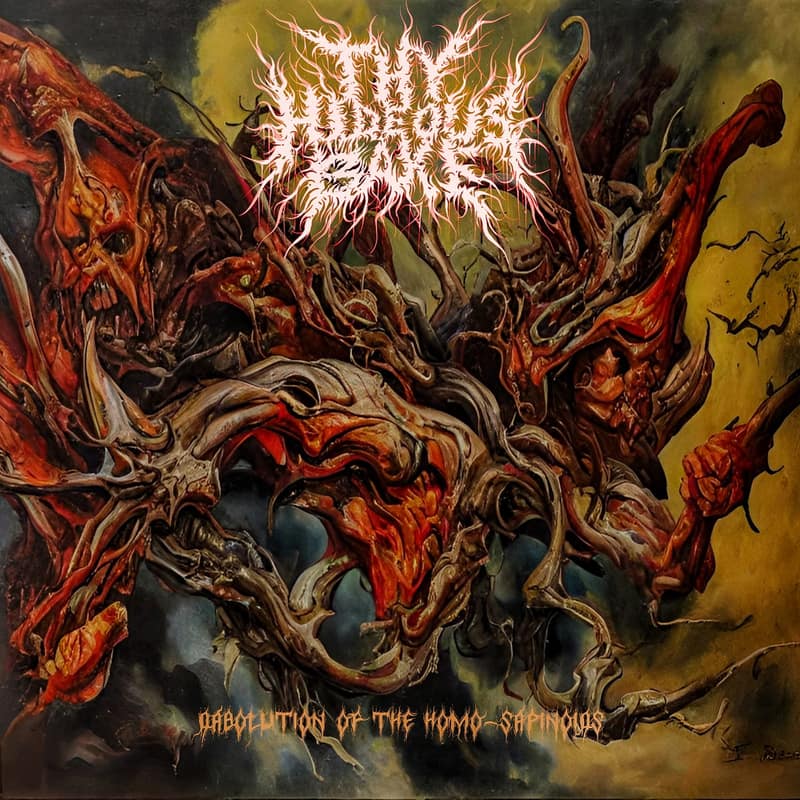
The emphasis on technical innovation in death metal particularly benefits New York's brutal death metal community, including acts like Thy Hideous Bake and Merciless Mutilation, who can leverage the region's reputation for extreme metal excellence while building their own collaborative networks.
Cross-genre collaboration strategies also open new possibilities for New York metal acts to work with the state's extensive non-metal music community, potentially accessing new venues, audiences, and creative resources that might otherwise remain unavailable to purely metal acts.
The regional metal scene benefits most when these national trends are adapted to local conditions and resources. Rather than attempting to replicate major-label promotional strategies, New York metal acts can focus on building sustainable collaborative networks that support long-term creative development while maintaining the underground authenticity that defines the region's metal identity.