Arizona Thrash Legends and Florida Documentary Screenings Drive 2026's Independent Metal Renaissance
The independent metal landscape is experiencing a remarkable renaissance in 2026, as veteran thrash legends announce ambitious new projects while innovative documentary screenings reshape how fans experience extreme music culture. From Arizona's desert thrash to Colorado's atmospheric death metal, the movement toward artistic independence is creating unprecedented opportunities for regional scenes across the country.
Thrash Metal's Four-Decade Evolution Continues
Arizona thrash metal pioneers Flotsam and Jetsam have announced their forthcoming album "Rats In The Temple," scheduled for release on August 28, 2026, via Napalm Records. After nearly four decades in the metal underground, the band's commitment to releasing new material demonstrates the enduring vitality of 80s metal bands who refuse to rest on their laurels.
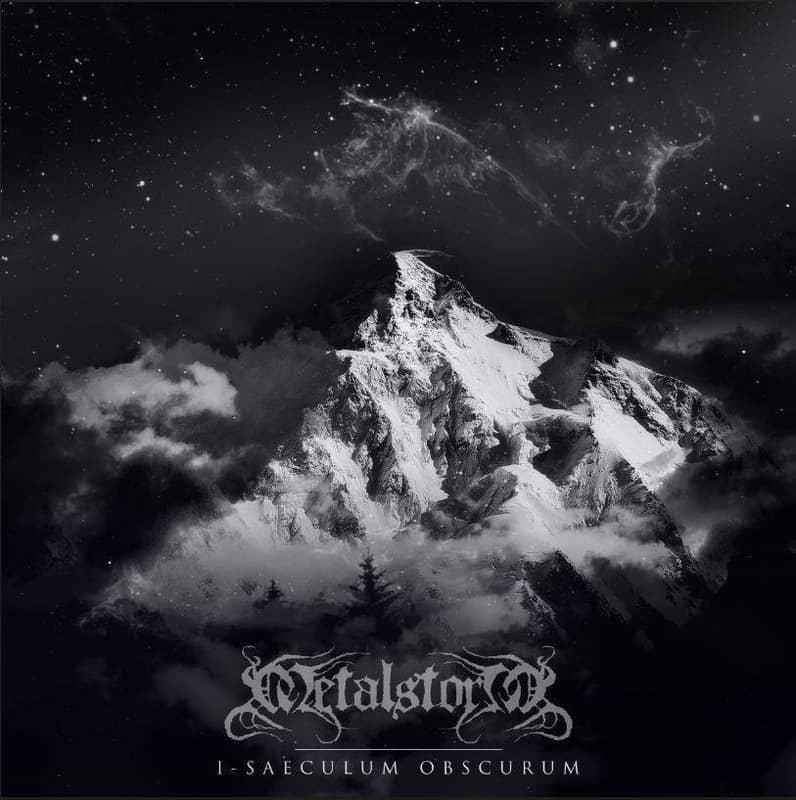
The announcement signals a broader trend among veteran thrash acts who are experiencing what many consider a modern renaissance period. Rather than simply touring on classic material, these pioneers continue pushing creative boundaries while maintaining the aggressive precision that defined the genre's golden era. For New York's thrash community, including acts like Social Disorder and Metal Storm, this veteran commitment to new material provides both inspiration and validation for their own creative endeavors.
The choice of Napalm Records as a label partner reflects the sophisticated business strategies that modern thrash acts employ. Independent labels with strong distribution networks allow veteran bands to maintain creative control while reaching global audiences—a model that New York's thrash scene continues to study and adapt for their own releases.
Documentary Culture Transforms Metal Appreciation
Blood Incantation's documentary "All Gates Open: In Search of Absolute Elsewhere" is receiving theatrical screenings at Alamo Drafthouse locations, representing a significant evolution in how extreme metal reaches mainstream audiences. The Colorado death metal innovators' emphasis on presenting their work "in its ideal context—in theaters" demonstrates the growing sophistication of metal's cultural presentation.
This theatrical approach to metal documentaries creates new possibilities for regional scenes to showcase their own stories. The success of cinema screenings for extreme metal content suggests that audiences are hungry for deeper exploration of the genre's creative processes and cultural significance. For New York's diverse metal community, this trend opens doors for documenting everything from the state's brutal death metal explosion to its doom metal underground.
The Alamo Drafthouse partnership particularly intrigues because it bridges the gap between metal's underground ethos and mainstream cultural consumption. By presenting extreme music in a theatrical setting, bands can reach audiences who might never attend traditional metal venues while maintaining the immersive experience that makes metal culture so powerful.
Cross-Genre Collaboration Reshapes Metal Boundaries
DragonForce's addition of Alissa White-Gluz from Arch Enemy and Blue Medusa to their lineup represents the increasingly fluid nature of modern metal collaboration. White-Gluz's enthusiasm about "bringing such iconic music to life with these amazingly skilled musicians" reflects a new era where genre boundaries matter less than musical chemistry and creative vision.
This collaborative spirit extends beyond individual band lineups to influence entire regional scenes. New York's metal community has always thrived on cross-pollination between subgenres, and the success of high-profile collaborations validates this approach. Local acts are increasingly experimenting with guest appearances, shared lineups, and genre-blending projects that reflect metal's expanding creative possibilities.
The technical demands of modern metal performance also drive collaboration, as musicians seek partners who can match their instrumental prowess across different stylistic approaches. For New York's progressive metal scene, including bands like Afterus and Eleventh Hour, these high-profile collaborations demonstrate how technical excellence can bridge seemingly disparate metal subgenres.
Production Innovation Drives Creative Evolution
P.O.D.'s completion of their new album with Turnstile producer Will Yip highlights the growing importance of producer selection in shaping modern metal sound. The recording sessions in Philadelphia's Whitman section represent a strategic choice to work with a producer known for innovative approaches to heavy music production.
Yip's involvement with both hardcore punk (Turnstile) and nu-metal revival (P.O.D.) demonstrates how production expertise transfers across metal subgenres. This cross-pollination of production techniques creates new sonic possibilities that influence regional scenes nationwide. New York's recording studios and producers are increasingly studying these approaches to offer local bands access to cutting-edge production methods.
The geographic choice of South Philadelphia for recording also reflects how bands are seeking creative environments beyond traditional metal recording capitals. This decentralization of metal recording creates opportunities for regional scenes to develop their own distinctive production signatures while learning from industry innovations.
Independent Distribution Networks Strengthen
Recent label signings and distribution announcements demonstrate the robust health of independent metal distribution networks. From Napalm Records' continued expansion to earMUSIC's partnerships with legendary acts, independent labels are providing viable alternatives to major label structures while maintaining the cultural authenticity that metal fans demand.
This independent infrastructure particularly benefits regional scenes like New York's metal community, where diverse subgenres require specialized knowledge and dedicated promotion. The success of independent distribution models validates the approach that many New York metal acts have adopted: building dedicated fanbases through independent channels rather than seeking major label validation.
The strength of independent networks also influences touring opportunities, merchandise distribution, and fan engagement strategies. As veteran acts demonstrate the viability of independent approaches, younger bands gain confidence in building sustainable careers outside traditional industry structures.
Regional Scene Implications
These national developments create significant opportunities for New York's metal scene. The success of veteran thrash acts encourages local bands to view longevity as achievable, while documentary success suggests that regional scenes have stories worth telling on larger platforms.
The collaborative spirit demonstrated by high-profile lineup changes translates directly to local scene development. New York's metal community can leverage these trends by fostering more cross-genre collaboration, supporting documentary projects about local metal history, and developing relationships with innovative producers who understand modern metal's creative possibilities.
For bands seeking to join this renaissance, the message is clear: artistic integrity combined with professional business approaches creates sustainable metal careers. The independent metal movement of 2026 proves that authenticity and commercial success can coexist when approached with both creative vision and strategic thinking.
As these trends continue developing throughout 2026, New York's metal scene is positioned to both contribute to and benefit from the broader independent metal renaissance. Whether through thrash metal innovation, documentary storytelling, or collaborative projects, the Empire State's diverse heavy music community has unprecedented opportunities to shape metal's evolving cultural landscape.