Classic Metal Lineups and Digital Video Innovation Drive Underground Scene's Mainstream Crossover Strategy
The metal landscape is witnessing a fascinating convergence of classic lineup revivals and cutting-edge digital engagement strategies, with legendary bands embracing new promotional approaches while underground acts leverage fan participation to break into mainstream visibility. This evolution signals a fundamental shift in how heavy music connects with audiences in 2026.
International Barriers Challenge Metal's Global Expansion
Venom's recent candid discussion about U.S. touring obstacles illuminates a persistent challenge facing international metal acts. The legendary British extreme metal pioneers revealed that visa complications and prohibitive costs create nearly insurmountable barriers for overseas bands seeking to reach American audiences. Their colorful comparison of international bands to "vampires" needing formal invitations to cross thresholds perfectly captures the bureaucratic nightmare that prevents many influential acts from connecting with their fan bases.
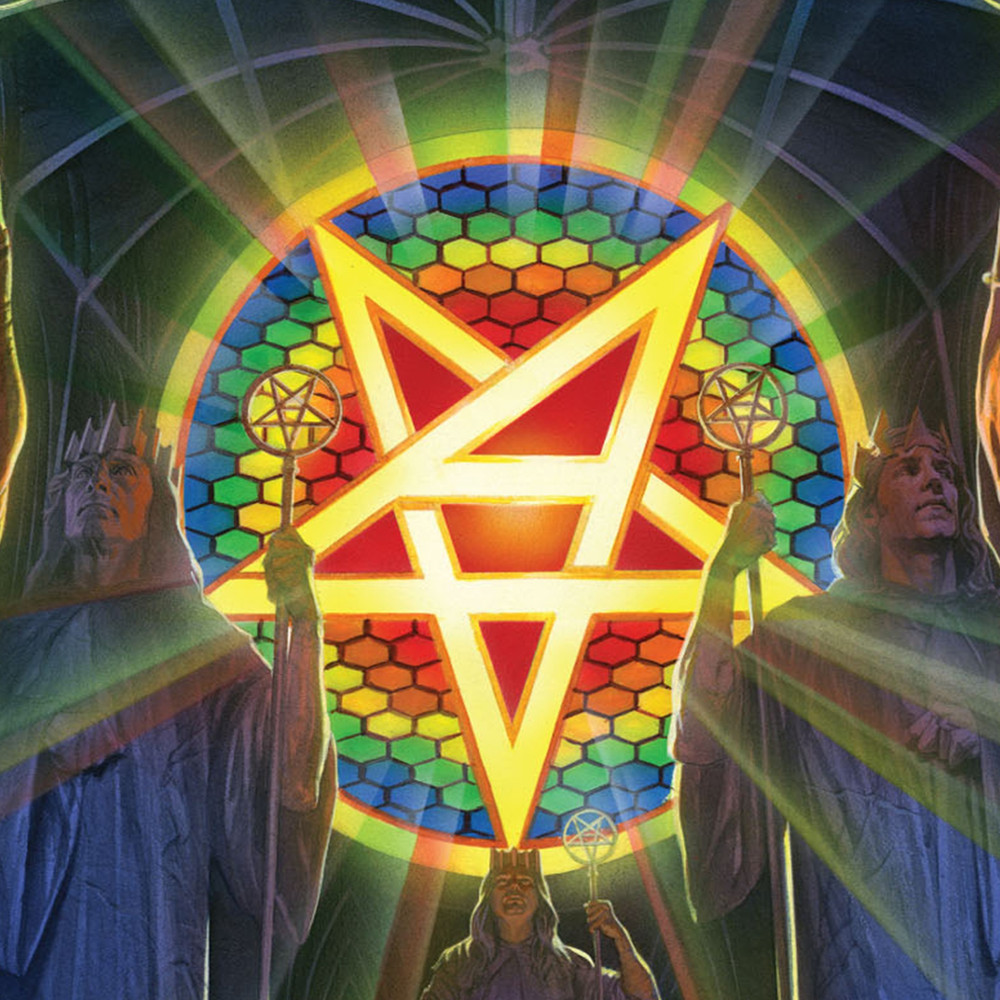
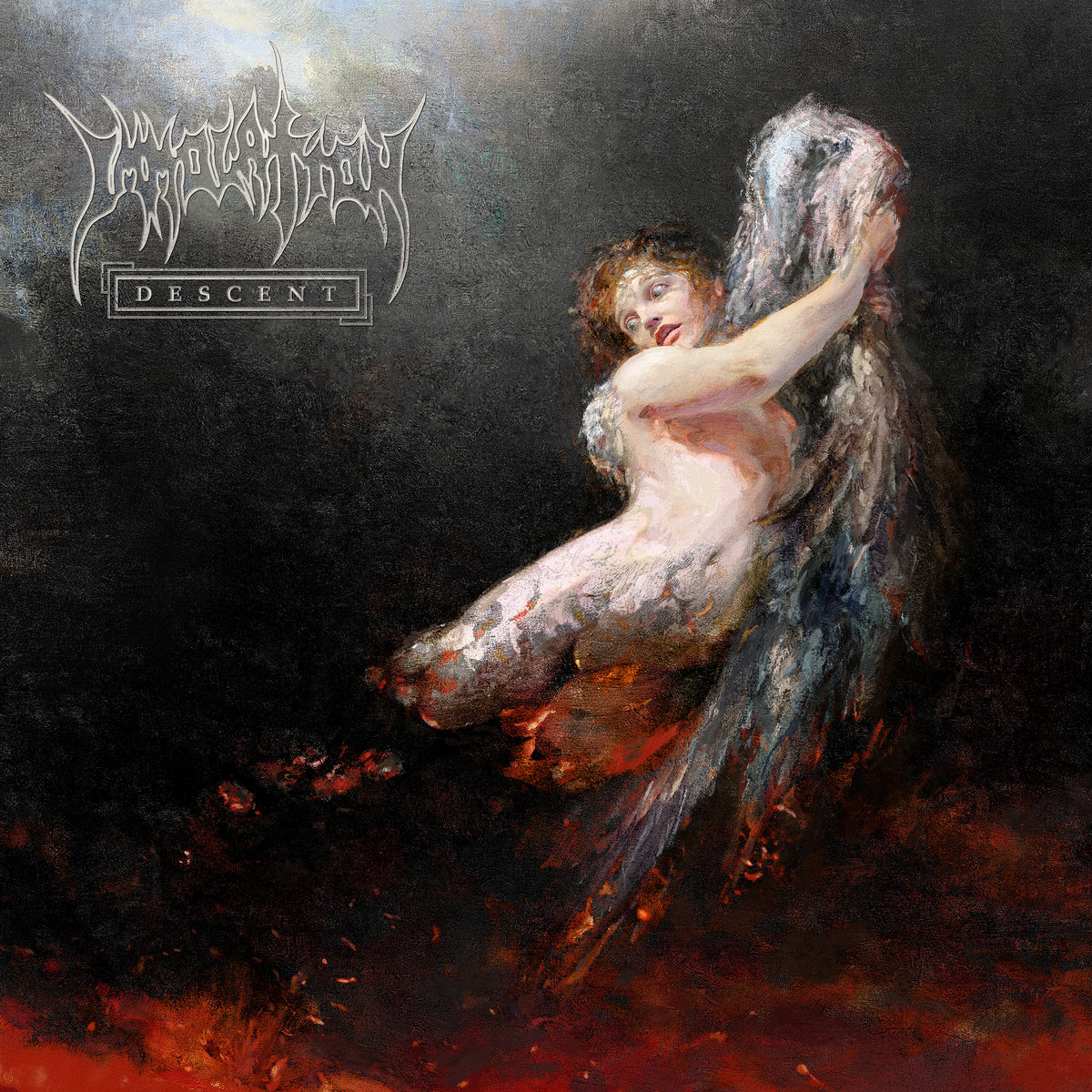
This revelation carries significant implications for New York's metal scene, which has historically thrived on international influence and cross-pollination. The state's rich metal heritage includes acts like Anthrax and Immolation, who built their reputations partly through exposure to international extreme metal movements. When iconic pioneers like Venom face such obstacles, it limits the cultural exchange that has traditionally strengthened regional scenes.
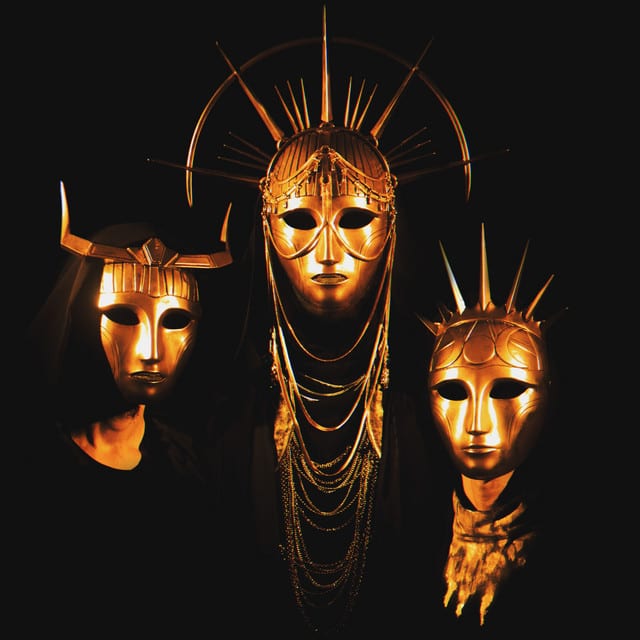
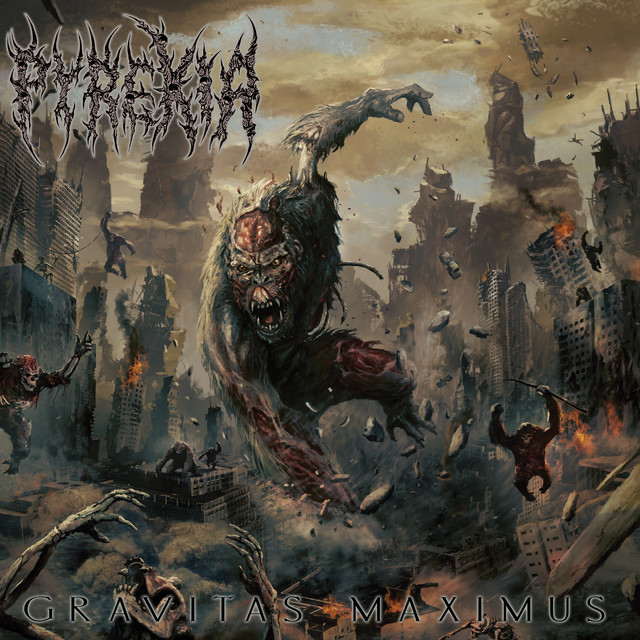
The visa and cost challenges also create opportunities for domestic metal acts. With fewer international competitors on touring circuits, New York's diverse metal community—from the avant-garde experiments of Imperial Triumphant to the brutal death metal assault of Pyrexia—faces less competition for venue slots and festival positions.
Fan-Driven Video Production Reshapes Promotional Strategies
No Cure's innovative approach to music video production represents a broader trend toward fan integration in metal's promotional ecosystem. By calling for fan participation in their Birmingham video shoot, the band demonstrates how modern metal acts are breaking down traditional barriers between performers and audiences. This participatory approach transforms passive consumers into active collaborators in the creative process.
The strategy reflects metal's underground ethos while embracing digital-age connectivity. Rather than relying solely on professional production teams, bands are discovering that fan-driven content often generates more authentic engagement and stronger community bonds. The approach also offers cost-effective solutions for emerging acts operating on limited budgets.
For New York metal bands, this participatory model presents compelling opportunities. The state's dense population centers provide large pools of potential collaborators, while the region's music industry infrastructure offers technical resources to support fan-driven projects. Underground acts could leverage this approach to build stronger local following while creating content that resonates with broader audiences.
Studio Album Cycles Accelerate Across Metal Spectrum
Multiple major acts are simultaneously completing recording cycles, suggesting 2026 will deliver a substantial wave of new metal releases. Judas Priest's progress on their follow-up to "Invincible Shield" indicates the British metal legends are maintaining creative momentum despite their veteran status. The band's guitarist reports exciting developments in their ongoing sessions, promising material that builds on their recent creative renaissance.
Motionless In White's completion of their latest album represents another significant development in metal's current recording boom. The Pennsylvania act's social media announcement of finished recording suggests their new material will arrive amid heightened competition for listener attention. Their gothic metal approach positions them within a broader atmospheric metal movement that includes various New York acts exploring similar territories.
Social Distortion's pledge to deliver more frequent releases challenges the extended album cycle model that has dominated rock and metal for decades. Frontman Mike Ness's promise to "shock everybody" with timely follow-ups reflects growing recognition that modern audiences expect more consistent content streams. This approach could influence how regional acts plan their own release strategies.
Equipment Recovery Victories Highlight Touring Vulnerabilities
Former Saliva vocalist Josey Scott's successful equipment recovery following theft demonstrates both the persistent challenges facing touring musicians and the positive outcomes possible through law enforcement cooperation. The incident underscores how equipment theft continues plaguing touring acts, particularly those operating without major label security resources.
The successful recovery also highlights the importance of community support in addressing touring challenges. When musicians face equipment theft, quick action from local law enforcement and fan networks often determines whether careers suffer permanent setbacks. Scott's positive outcome provides encouraging precedent for other affected artists.
For New York's extensive touring metal community, such incidents serve as reminders about security protocols and insurance considerations. The state's position as a major touring corridor means local acts frequently transport valuable equipment across state lines, creating exposure to theft risks. Successful recovery stories like Scott's demonstrate that proper preparation and community support can overcome these challenges.
Celebrity Endorsements Bridge Metal and Mainstream Culture
Slayer vocalist Tom Araya's role as Grand Marshal at Texas Motor Speedway represents metal's increasing integration into mainstream American entertainment. The legendary extreme metal frontman's presence at a major NASCAR event signals growing acceptance of metal aesthetics and personalities in traditionally conservative entertainment spaces.
This crossover reflects broader cultural shifts that benefit metal's commercial prospects. When extreme metal pioneers receive mainstream platform opportunities, it normalizes heavy music for audiences who might otherwise dismiss the genre. Araya's NASCAR appearance particularly significant given the sport's predominantly conservative fan base and Slayer's historically controversial imagery.
The development creates precedents for other metal acts seeking mainstream exposure opportunities. New York's metal community includes numerous acts capable of leveraging similar crossover opportunities, from the theatrical presentations of established acts to the technical proficiency that could appeal to diverse audiences.
Legacy Acts Embrace Extended Creative Processes
White Lion's continued touring activity under Mike Tramp's leadership demonstrates how legacy acts maintain relevance through consistent live performance rather than frequent recording. The band's M3 Rock Festival appearance highlights the festival circuit's importance for veteran acts seeking to connect with established fan bases while introducing their music to younger audiences.
This approach contrasts sharply with the accelerated release cycles embraced by some contemporaries. Rather than rushing new material to market, White Lion focuses on delivering polished live experiences that honor their classic catalog while maintaining contemporary production standards. The strategy acknowledges that legacy acts often serve different audience needs than emerging artists.
The approach offers lessons for New York's veteran metal acts navigating similar career phases. Rather than competing directly with younger bands on social media presence or release frequency, established acts can leverage their experience and refined performance skills to occupy distinct market positions.
As metal continues evolving through international challenges, technological innovation, and mainstream integration, the genre's fundamental strength remains its community-driven culture and commitment to authentic expression. New York's metal scene stands positioned to benefit from these broader trends while maintaining the regional character that has defined its contribution to heavy music history.