Supergroup Formation and Equipment Recovery Victories Highlight Metal's Collaborative Renaissance as New York Thrash Scene Embraces Veteran Mentorship
The metal world is witnessing an unprecedented surge in veteran collaborations and community solidarity, as evidenced by recent supergroup formations and successful equipment recovery efforts that demonstrate the genre's evolving maturity. This shift toward collaborative mentorship and mutual support creates significant opportunities for New York's thrash metal scene to benefit from decades of accumulated wisdom and industry connections.
Kings of Thrash Supergroup Signals Veteran Collaboration Movement
The formation of Kings of Thrash represents more than just another metal supergroup—it signals a fundamental shift in how veteran musicians approach their legacy years. Featuring former Megadeth members David Ellefson and Jeff Young alongside legendary Exodus vocalist Steve 'Zetro' Souza, the project's latest single "Bullets Ready" showcases how seasoned professionals can pool their expertise to create something greater than the sum of their individual contributions.
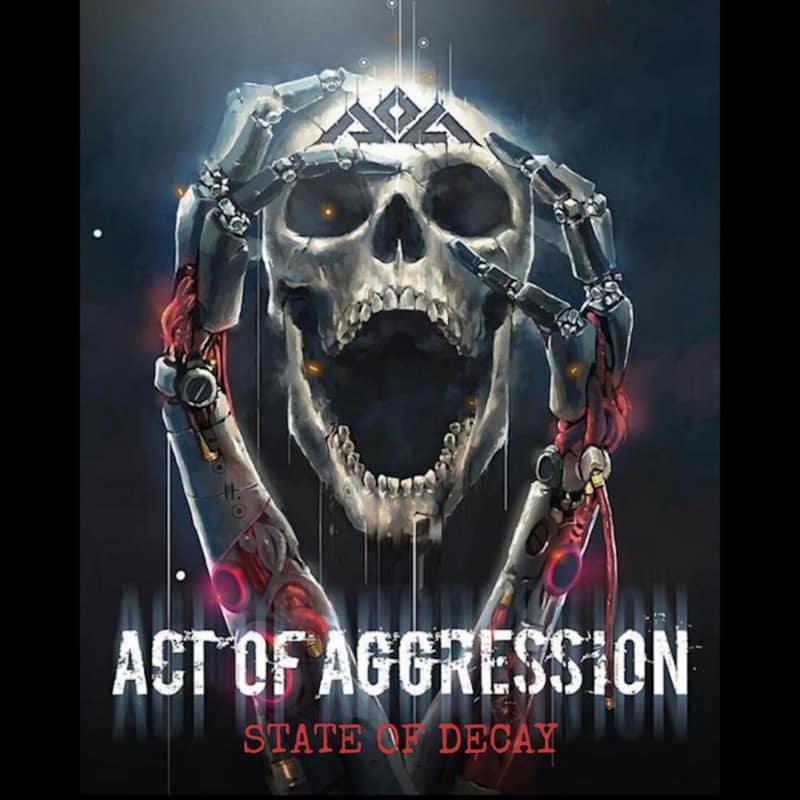
This collaborative approach offers valuable lessons for New York's thrash metal community, where veteran acts like Toxik and Act of Aggression could benefit from similar cross-pollination strategies. The Kings of Thrash model demonstrates how experienced musicians can leverage their collective networks and hard-earned industry knowledge to create viable projects that honor metal's rich history while pushing creative boundaries.
The involvement of multiple former Megadeth members in the project also highlights the enduring influence of classic 80s metal bands on contemporary heavy music. For emerging New York thrash acts, studying how these veterans maintain relevance while respecting their roots provides a masterclass in balancing authenticity with evolution.
Equipment Recovery Success Stories Build Community Trust
The successful recovery of original Saliva vocalist Josey Scott's stolen equipment trailer represents more than just a happy ending to a potentially career-damaging theft. The swift action by Tulsa Police Department and the metal community's rallying support demonstrate how the scene has developed sophisticated networks for protecting its members' livelihoods.
For touring New York metal bands, these recovery victories offer both practical lessons and emotional reassurance. The fact that Scott's equipment was returned intact, with a suspect now in custody, shows that law enforcement agencies are increasingly recognizing the value of musical equipment and treating these thefts with appropriate seriousness.
This community solidarity extends beyond simple equipment protection. The metal scene's response to such crises reveals a mature understanding of how individual band struggles affect the entire ecosystem. When veteran acts like Scott face setbacks, their recovery helps maintain the touring infrastructure that supports countless emerging artists.
New York Scene Positioned for Collaborative Growth
The current emphasis on veteran collaboration and community support creates unprecedented opportunities for the New York metal scene. With its concentration of experienced musicians and established venues, the state is perfectly positioned to host similar supergroup projects and mentorship initiatives.
Local acts across various metal subgenres could benefit from this collaborative renaissance. Progressive metal pioneers could learn from the Kings of Thrash approach to balancing multiple strong personalities, while emerging bands could gain valuable industry insights from veterans who've navigated decades of music business evolution.
The fact that these veteran collaborations are producing commercially viable results—as evidenced by Kings of Thrash's label support and professional production values—proves that experience and wisdom remain valuable commodities in metal's modern landscape. This creates incentives for established New York musicians to consider similar collaborative projects.
Equipment Security and Touring Safety Evolution
The resolution of Scott's equipment theft also highlights evolving best practices for touring security. Modern metal bands face increasingly sophisticated threats to their equipment and livelihoods, making community knowledge-sharing more crucial than ever.
For New York bands preparing for national tours, these incidents provide valuable case studies in risk management and recovery strategies. The quick resolution of Scott's situation demonstrates the importance of immediate reporting, community networking, and maintaining detailed equipment documentation for law enforcement purposes.
The metal community's response to such crises has also evolved beyond simple sympathy into actionable support networks. Social media amplification, industry connections, and direct assistance have become standard responses that help affected musicians recover more quickly and completely than would have been possible in earlier eras.
Addressing Internal Band Conflicts with Professional Maturity
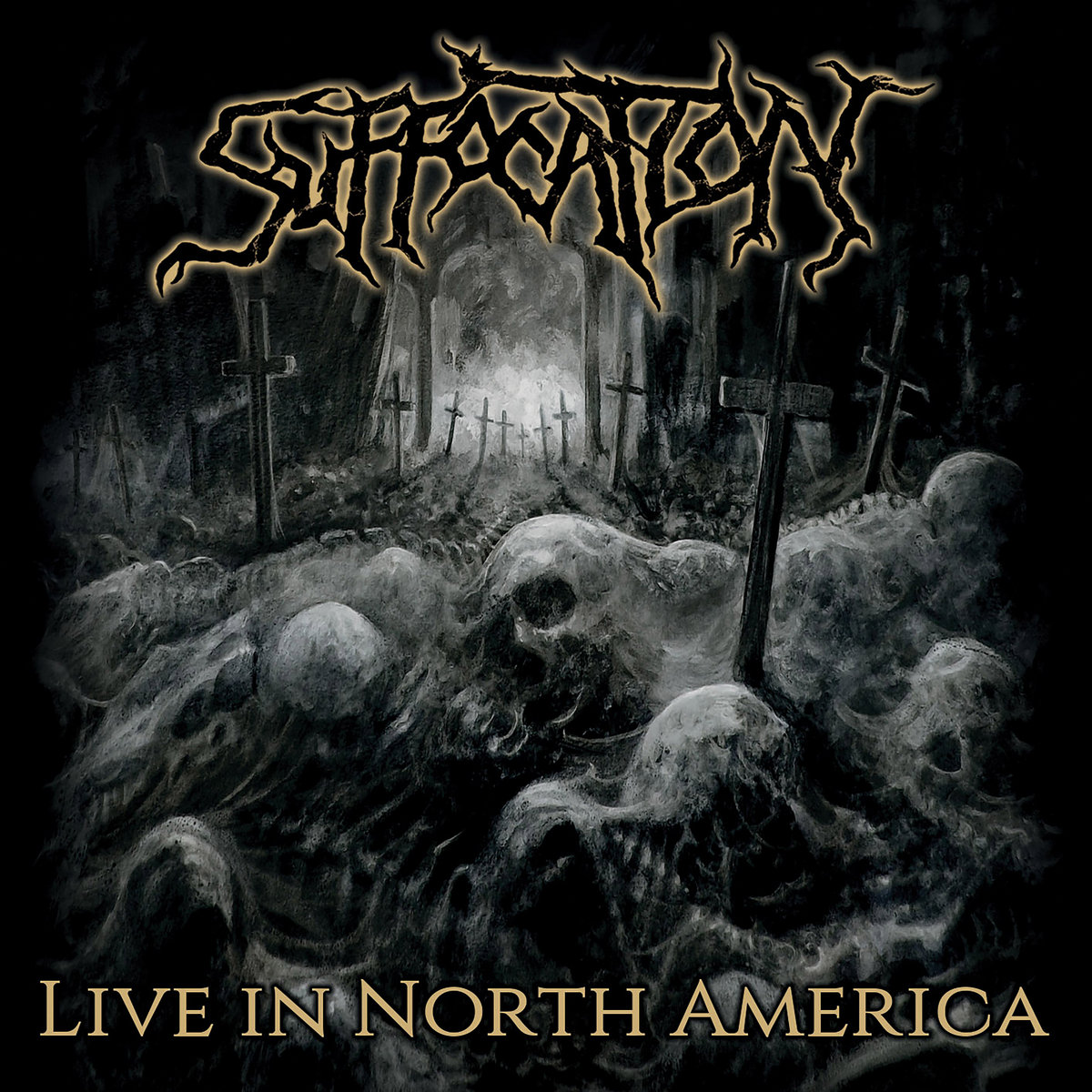
The recent public apology from former Suffocation drummer Eric Morotti regarding his departure from the legendary Long Island death metal band represents another aspect of metal's evolving professional culture. Morotti's acknowledgment that he "used language that was hurtful and disrespectful" and should have "communicated without attacking or speaking negatively about others" demonstrates a growing recognition that public disputes damage both individual careers and the broader scene.
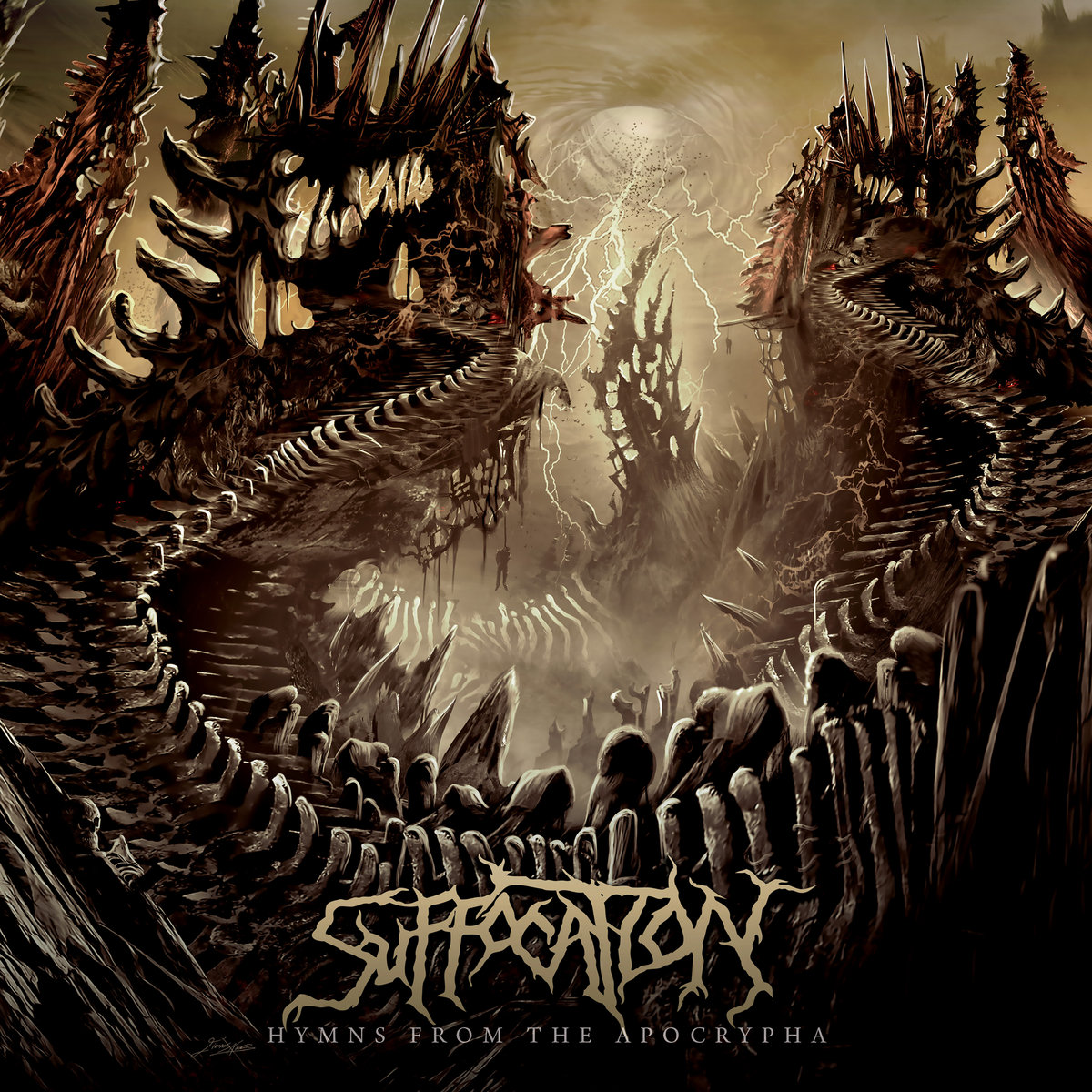
This development is particularly significant for the New York metal community, given Suffocation's status as pioneering technical death metal legends. The band's influence on countless New York extreme metal acts means their approach to handling internal conflicts sets important precedents for professional behavior throughout the regional scene.
The fact that Morotti chose to publicly address his communication failures rather than letting the controversy simmer represents a mature approach that other metal musicians can emulate. This evolution toward accountability and professional dispute resolution helps elevate metal's business culture beyond the chaos and drama that once characterized many band relationships.
International Touring Challenges Create Local Opportunities
While veteran British black metal pioneers Venom struggle with expensive and difficult US visa requirements that limit their American touring options, these international barriers create expanded opportunities for domestic metal acts. When legendary overseas bands cannot easily access American markets, it opens additional venue slots and festival positions for homegrown talent.
New York's diverse metal scene stands to benefit significantly from these international touring limitations. As promoters seek reliable domestic acts to fill gaps left by visa-challenged international bands, established regional acts gain access to larger stages and more prominent festival slots previously reserved for overseas legends.
This situation also highlights the ongoing value of developing strong regional scenes that can sustain themselves independently of international touring circuits. New York's combination of legendary venues, dedicated fan communities, and diverse musical talent creates a self-sustaining ecosystem that benefits when external competition faces administrative obstacles.
The Road Ahead for New York Metal
The convergence of successful veteran collaborations, effective community support networks, and professional conflict resolution points toward a more sophisticated and sustainable future for heavy music. New York's metal scene, with its deep roots in thrash, death metal, and hardcore punk, is uniquely positioned to capitalize on these evolving industry dynamics.
As the metal community demonstrates increasing maturity in handling both creative collaborations and business challenges, emerging New York artists can build upon these improved foundations to create more stable and successful careers. The lessons learned from Kings of Thrash's collaborative success, Scott's equipment recovery, and Suffocation's professional dispute resolution provide a roadmap for navigating modern metal's complex landscape.
The key for local bands lies in embracing both the collaborative spirit demonstrated by veteran supergroups and the professional accountability that characterizes metal's evolving business culture. By combining New York's traditional musical intensity with these emerging industry best practices, the regional scene can continue building upon its legendary foundation while adapting to contemporary realities.