Power Metal Evolution and Vocalist Departures Signal Heavy Music's Strategic Reinvention as New York Progressive Scene Prepares for Innovation Wave
The heavy music landscape is experiencing a seismic shift as power metal pioneers embrace evolution and established acts navigate major personnel changes, creating unprecedented opportunities for New York's progressive and heavy metal communities to capitalize on shifting industry dynamics. Recent developments in power metal innovation, lineup transformations, and solo career launches reveal how veteran acts are strategically reinventing themselves while opening doors for regional scenes to expand their creative horizons.
Power Metal's Electronic Evolution Creates New Sonic Territory
ZP Theart's latest single "Electric Beings" represents a fascinating evolution for the former DragonForce and Skid Row vocalist, demonstrating how power metal veterans are incorporating electronic elements without abandoning their core sound. The South African singer's solo career trajectory offers valuable insights for New York's progressive metal acts seeking to expand their sonic palette. Theart's approach—building on his 20th-anniversary reimagining projects while pushing into "high-voltage" territory—shows how established vocalists can maintain credibility while exploring new creative directions.
This electronic integration trend has particular relevance for New York's Cleopatra, whose progressive metal foundation provides an ideal platform for similar sonic experimentation. The band's heavy metal roots combined with progressive sensibilities position them perfectly to explore the kind of electronic-enhanced power metal that Theart is pioneering. As new metal bands 2026 emerge with increasingly diverse influences, established acts like Cleopatra can leverage their experience while embracing innovative approaches.
The success of Theart's solo debut "Dark To Light" demonstrates that power metal audiences are receptive to evolution when it's handled with authenticity and respect for the genre's foundations. This creates opportunities for New York's progressive metal scene to experiment with electronic elements, synthesizer integration, and modern production techniques without alienating traditional heavy metal fans.
Strategic Departures Reshape Band Dynamics
Erik Grönwall's departure from Skid Row and subsequent solo career launch with "Praying For A Miracle" illustrates how strategic band departures can benefit both artists and scenes. The Swedish vocalist's move to focus on his "Bad Bones" solo album reveals how modern metal musicians are increasingly viewing band membership as one component of broader creative careers rather than exclusive commitments.
This trend has significant implications for New York's metal ecosystem. When established musicians pursue solo projects, they often seek collaboration opportunities with regional artists, session musicians, and producers. Grönwall's deeply personal approach to his solo material—evident in the emotional weight of "Praying For A Miracle"—suggests that authenticity and personal connection are becoming more valuable than pure technical prowess or established brand recognition.
For New York's heavy metal community, including acts like Sin whose industrial metal approach aligns with the increasingly personal and experimental directions that departing vocalists are exploring, these developments create networking and collaboration possibilities that didn't exist when band loyalty was considered absolute.
Legacy Acts Embrace Renewal Through Personnel Changes
Nazareth's enthusiasm for new vocalist Gianni Pontillo—described by founding bassist Pete Agnew as "a gift from the gods"—demonstrates how veteran acts are approaching lineup changes as opportunities for creative renewal rather than necessary evils. This perspective shift has profound implications for how 80s metal bands and their modern counterparts approach longevity and relevance.
The Scottish rock legends' willingness to embrace change after decades of operation provides a blueprint for how established acts can maintain their core identity while injecting fresh energy. Pontillo's December 2025 recruitment and the band's obvious satisfaction with the collaboration suggest that strategic personnel decisions can revitalize veteran acts rather than simply maintaining status quo operations.
This renewal philosophy creates opportunities for New York's metal scene, particularly for vocalists and musicians seeking to join established acts or collaborate with veteran players. The success of Nazareth's transition suggests that regional musicians with strong skills and fresh perspectives can find opportunities with touring acts seeking to revitalize their sound and approach.
Thrash Metal Veterans Pioneer Collaborative Innovation
The Kings of Thrash project, featuring former Megadeth members David Ellefson and Jeff Young alongside Steve "Zetro" Souza for "Bullets Ready," represents a new model for how thrash metal veterans can remain active without reforming original bands or competing directly with their legacy acts. This collaborative approach offers multiple benefits: established musicians can explore new creative territory, younger artists gain access to veteran expertise, and regional scenes benefit from increased activity and attention.
The "powerful vocal duet" approach featured on "Bullets Ready"—combining Kings of Thrash vocalist Chaz Leon with Gabriel Connor—suggests that collaborative projects are becoming more sophisticated and ambitious in their arrangements. Rather than simple guest appearances or tribute performances, these ventures are developing into legitimate creative enterprises with their own artistic merit.
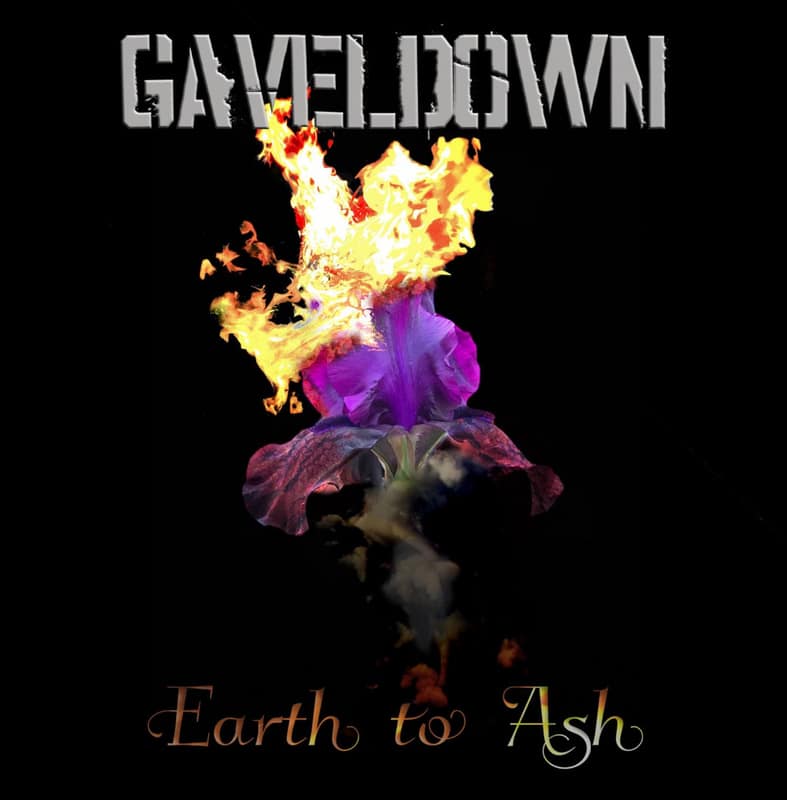
For New York's thrash and groove metal scenes, including acts like Gaveldown whose groove metal and thrash metal combination aligns perfectly with the Kings of Thrash aesthetic, these collaborative models create potential pathways for working with established musicians while maintaining independent creative control.
Symphony X's Extended Creative Process Signals Industry Evolution
Russell Allen's revelation that Symphony X has accumulated substantial material for their follow-up to 2015's "Underworld" reflects how progressive metal acts are adapting to changed industry conditions by extending creative processes and focusing on quality over rapid release schedules. Allen's confirmation that "tons of music has been written" suggests the band is taking advantage of reduced touring pressure to develop more sophisticated and comprehensive artistic statements.
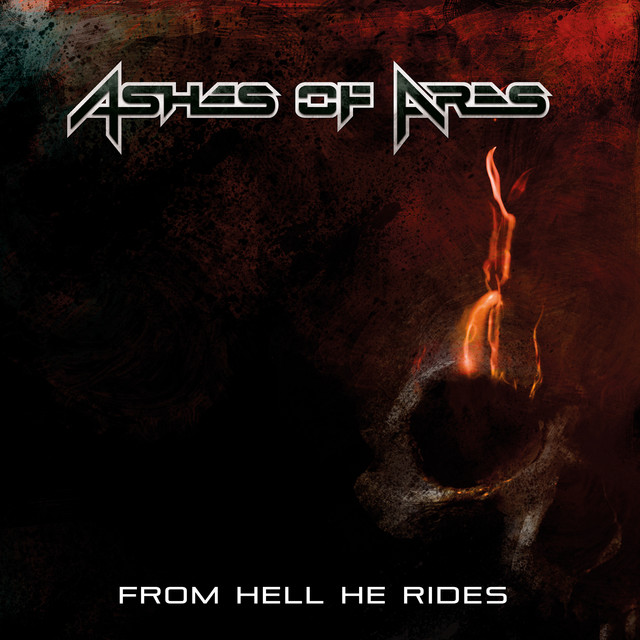
This extended development approach has particular relevance for New York's progressive metal community. Acts like Ashes of Ares, whose progressive metal approach shares DNA with Symphony X's sophisticated arrangements, can benefit from understanding how established progressive acts are navigating longer creative cycles while maintaining fan engagement and industry relevance.
The fact that Symphony X is prioritizing material development over rushing releases suggests that progressive metal audiences are willing to wait for quality, creating opportunities for regional acts to focus on developing sophisticated material rather than competing in rapid-release cycles that favor simpler genres.
Regional Opportunities in Evolving Metal Landscape
These industry developments create multiple opportunities for New York's diverse metal scene. The emphasis on personal authenticity evident in Grönwall's solo work, the collaborative innovation demonstrated by Kings of Thrash, and the electronic experimentation pioneered by ZP Theart all point toward a more open and experimental metal landscape where regional acts can compete on creativity and authenticity rather than pure marketing budgets or label support.
The success of veteran acts in embracing change—whether through new vocalists like Nazareth's Pontillo or extended creative processes like Symphony X's approach—demonstrates that metal audiences are receptive to evolution and innovation when it's handled with respect for genre foundations and authentic artistic intent.
For New York's metal community, these trends suggest that 2026 could be a breakthrough year for acts willing to embrace strategic risk-taking while maintaining their core artistic identity. The combination of veteran acts creating collaboration opportunities, audiences embracing authentic personal expression, and technology enabling more sophisticated independent production creates an environment where regional metal acts can achieve unprecedented reach and impact.
As metal bands touring 2026 adapt to these evolving dynamics, New York's scene is positioned to benefit from increased opportunities for collaboration, innovation, and creative growth that extend far beyond traditional regional limitations.