Foo Fighters' Intimate NYC Return and Genre-Defying Collaborations Reshape Metal's Commercial Boundaries

The Foo Fighters' surprise announcement of intimate shows at Irving Plaza and New Jersey's Starland Ballroom this week signals more than just another tour stop—it represents a fundamental shift in how rock and metal acts are approaching venue selection and fan engagement in 2026. While the grunge-turned-alternative rock giants celebrate their new album 'Your Favorite Toy' in smaller venues, their strategic choice reflects broader changes rippling through the heavy music landscape.
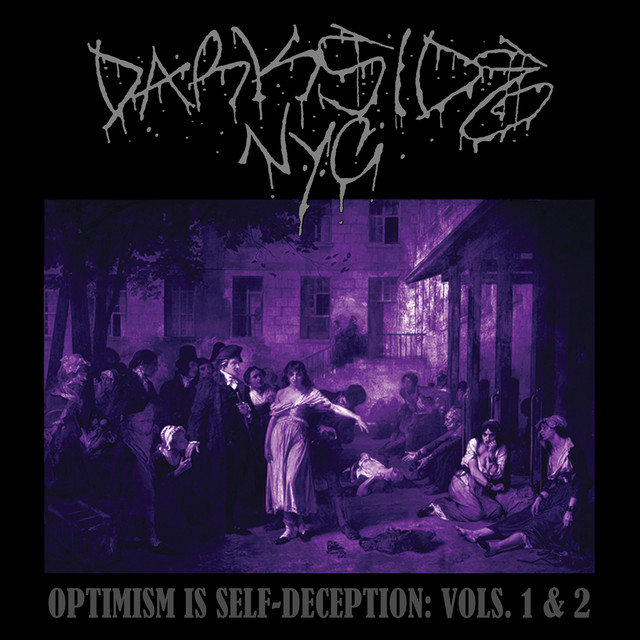
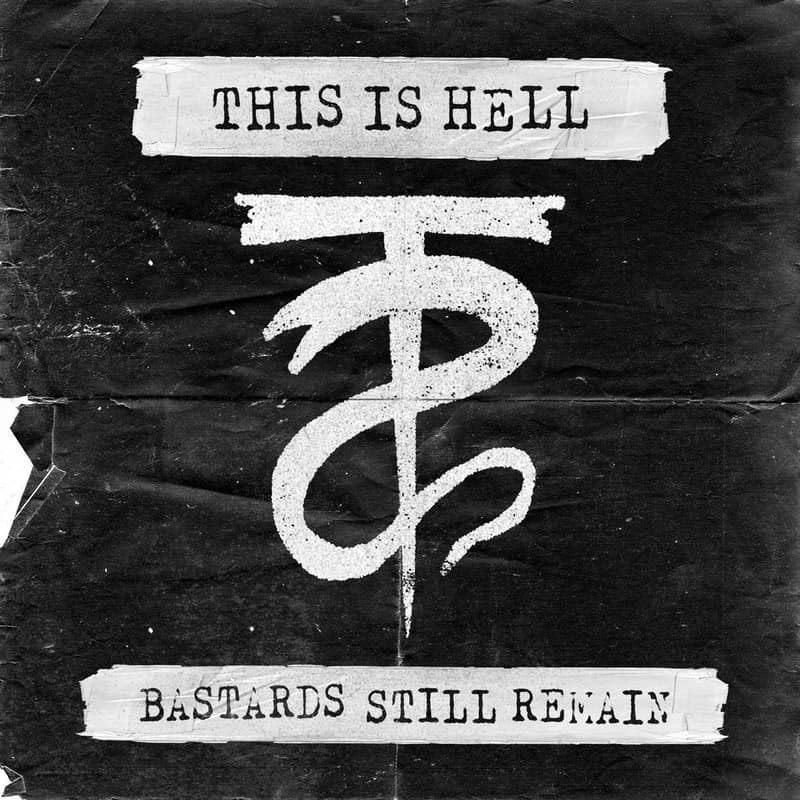
This venue downsizing trend mirrors what we're seeing across the New York metal scene, where acts are prioritizing connection over capacity. The Irving Plaza show, in particular, demonstrates how legacy acts are embracing the intimacy that New York's underground has always championed. For local acts like This Is Hell and Darkside NYC, who've built their reputations in similar-sized venues, this validation from major acts opens doors for co-billing opportunities and shared audiences.
Collaboration Culture Explodes Across Genre Lines
Perhaps more intriguing than venue choices are the unprecedented collaborations emerging across heavy music. Accept's milestone 50th anniversary project brings together musicians from Metallica, Judas Priest, Pantera, Scorpions, and Ghost—a gathering that would have been unthinkable even five years ago. This supergroup approach to anniversary releases is becoming the new standard for legacy acts looking to bridge generational gaps.
The ripple effects reach into unexpected territory. Fred Durst's guest appearance on Lauren Sanderson's "COME SAY SUM" remix exemplifies how metal bands touring 2026 are embracing cross-pollination with artists outside traditional heavy music circles. Sanderson's subsequent slot opening for Limp Bizkit creates a blueprint for how emerging artists can leverage these collaborations into touring opportunities.
For New York's groove metal scene, including acts like Caustic Method and 420 Stomp, these high-profile collaborations demonstrate new pathways for creative partnerships. The genre's emphasis on rhythmic heaviness and accessible hooks positions it perfectly for similar cross-genre experiments.
Digital Platform Wars Impact Underground Distribution
Behind the scenes, a different battle is reshaping how extreme music reaches audiences. Zao's public dispute with TuneCore over AI-generated music flagging reveals the growing tension between automated content detection systems and the authentic brutality of extreme metal. The veteran metalcore act found their legitimate recordings wrongly identified as artificial intelligence creations—a problem that threatens to impact countless underground acts.
This digital distribution crisis particularly affects new metal bands 2026 who rely heavily on streaming platforms for discovery. New York's extreme metal artists, from the brutal death metal practitioners to the most experimental black metal acts, face potential censorship from algorithms that can't distinguish between programmed drums and triggered samples, or between processed vocals and genuine screams.
The implications extend beyond individual artist frustrations. If platforms can't properly categorize extreme music, the recommendation algorithms that drive new music discovery will continue to fail underground acts. This creates opportunities for alternative distribution networks and reinforces the importance of direct fan engagement through live performance.
Post-Hardcore Evolution and Video Innovation
Roman Candle's new music video for "How To Be Considered When You're Not In The Room" represents the ongoing evolution of post-hardcore's visual language. The melodic post-hardcore quartet's approach to video production reflects broader trends toward narrative-driven content that matches the genre's emotional intensity with compelling visual storytelling.
This visual innovation trend connects directly to New York's hardcore and crossover scenes. Acts like A Deeper Dark and Soured-Ground can learn from these production approaches while maintaining the raw authenticity that defines their sound. The key is balancing professional presentation with underground credibility—something the New York scene has always navigated skillfully.
Legacy Acts Embrace Rediscovery
Dave Grohl's admission that his daughters introduced him to Alice In Chains—calling them "my favorite band now"—highlights how musical rediscovery is reshaping even veteran musicians' perspectives. This generational knowledge transfer creates interesting possibilities for how best metal bands from different eras might collaborate or influence each other's future directions.
Cradle of Filth's Dani Filth discussing new lineups and collaborations for the band's upcoming album reflects similar creative openness among extreme metal veterans. These established acts' willingness to experiment and evolve provides inspiration for New York's underground, where innovation has always been essential for survival in a competitive scene.
The announcement that Autopsy will record a new album later this year further demonstrates how death metal's founding fathers continue pushing forward. For New York's death metal practitioners, from the established acts to the emerging brutal death metal bands, these veteran releases provide both inspiration and healthy competition.
Equipment Security and Musician Solidarity
Ra Diaz's recovery of 15 stolen bass guitars serves as a reminder of the practical challenges facing touring musicians. The Korn bassist's experience with theft in Las Vegas highlights security concerns that affect artists at every level, but the successful recovery also demonstrates how musician communities rally to support their own.
This solidarity extends throughout the heavy music community. When equipment theft or other crises strike, the metal and hardcore scenes consistently demonstrate their willingness to help fellow musicians. New York's tight-knit heavy music community exemplifies this support system, where venues, promoters, and artists regularly assist each other through difficulties.
Looking Forward: Commercial Integration Without Compromise
Tom Araya's selection as Grand Marshal for the Würth 400 at Texas Motor Speedway represents another form of mainstream integration for extreme metal. The Slayer frontman's ceremonial role demonstrates how 80s metal bands are finding new revenue streams and audience exposure without compromising their artistic integrity.
These developments collectively paint a picture of heavy music's expanding commercial possibilities. From intimate venue performances to cross-genre collaborations, from motorsports ceremonies to streaming platform battles, metal and hardcore are simultaneously preserving their underground roots while exploring new territories for growth and influence.
For New York's diverse heavy music scene, these trends create both opportunities and challenges. The state's acts can leverage the growing acceptance of heavy music in mainstream contexts while maintaining the authenticity and innovation that have always defined the region's contribution to metal's evolution. As platform wars continue and collaboration culture expands, New York's metal community stands positioned to benefit from its deep roster of talented acts across every subgenre of heavy music.