Summer Tour Explosions and Memoir Revelations Transform Metal's Storytelling Economy as New York Venues Prepare for Hardcore Invasion
The summer touring economy is experiencing a seismic shift as hardcore powerhouse Dying Wish announces their ambitious U.S. tour alongside Guilt Trip, Holder, and Contention, while Testament frontman Chuck Billy prepares to release his deeply personal memoir chronicling his battle with cancer. These developments signal a fundamental transformation in how metal acts balance physical presence with intimate storytelling, creating unprecedented opportunities for New York's diverse heavy music venues and regional scene development.
Hardcore Tourism Meets Regional Venue Economics
Dying Wish's announcement of a major summer tour featuring Guilt Trip, Holder, and Contention represents more than standard touring economics—it signals hardcore's evolution into a sophisticated regional entertainment economy. The inclusion of Surfaced on select dates demonstrates how modern touring packages balance established names with emerging talent, a strategy that directly benefits venues across the Empire State's complex geographic landscape.
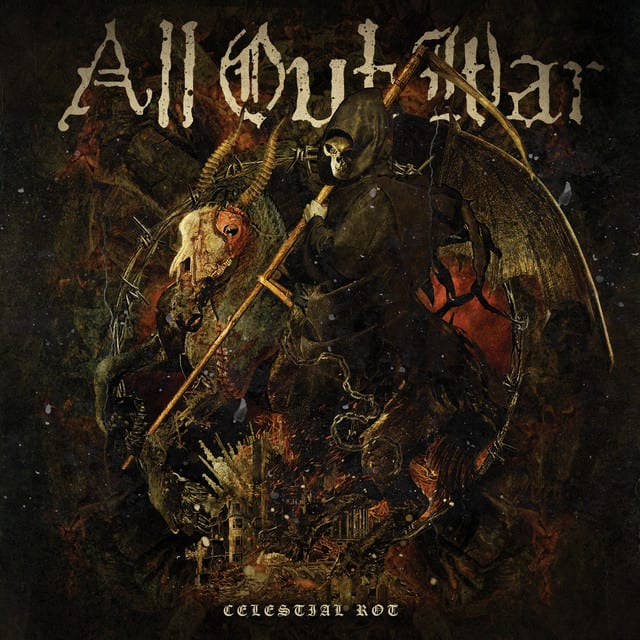
This touring model creates significant opportunities for New York's metalcore scene, particularly for established acts like All Out War, who have mastered the balance between crushing heaviness and regional touring sustainability. The hardcore touring circuit's expansion into summer months traditionally dominated by outdoor festivals suggests a maturation of indoor venue economics and year-round audience development.
The economic implications extend beyond individual shows. Multi-band packages featuring diverse styles within the hardcore umbrella create educational opportunities for audiences while providing venue owners with proven draw combinations. This approach benefits regional scenes by demonstrating how established acts can mentor emerging talent while maintaining their own career momentum.
Memorial Literature Meets Metal Marketing
Chuck Billy's upcoming memoir "Holding My Breath: The Two Testaments Of Chuck Billy" represents a fascinating evolution in metal's relationship with personal narrative. Testament's frontman chronicling his cancer journey alongside his musical career creates a template for how veteran metal acts can expand their cultural impact beyond traditional album cycles and touring revenue.
The memoir phenomenon reflects broader changes in metal's cultural positioning. Where previous generations of metal musicians often maintained mystique through distance, contemporary artists increasingly embrace vulnerability as a connection strategy. Billy's approach—dividing his story between pre- and post-diagnosis experiences—provides a framework that other veteran acts may adopt for their own storytelling projects.
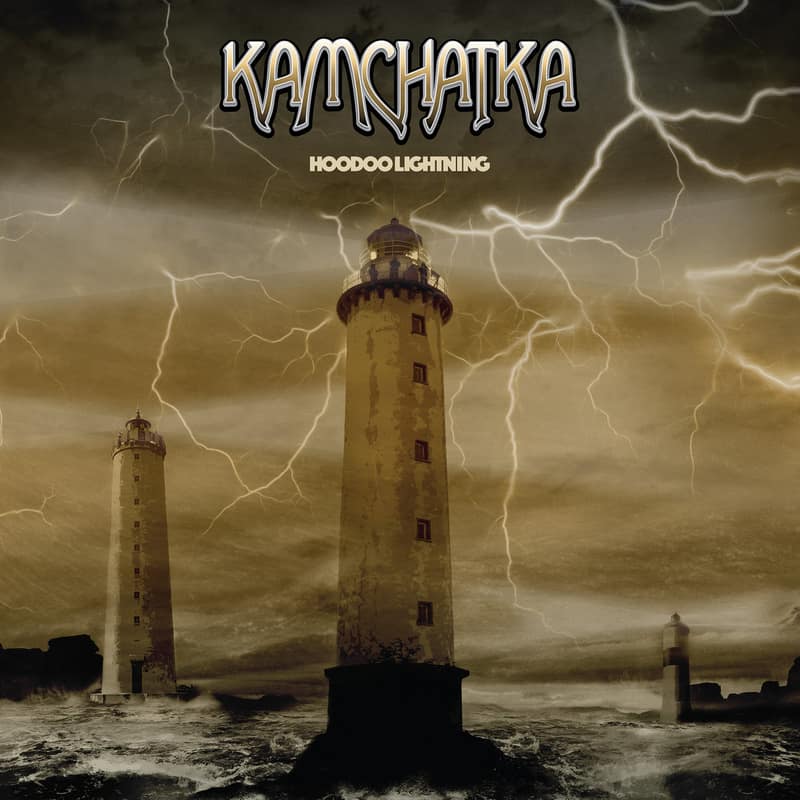
This trend toward memoir-driven career expansion creates opportunities for regional scenes by demonstrating alternative revenue streams and fan engagement strategies. New York's thrash metal veterans, including acts like Kamchatka and Trauma, can observe how established acts balance personal revelation with musical legacy management.
Anniversary Celebrations Drive Collaboration Innovation
Accept's ambitious 50th anniversary album "Teutonic Titans 1976–2026" showcases an increasingly sophisticated approach to milestone celebrations within heavy metal. By recruiting members from Metallica, Judas Priest, Pantera, Scorpions, and Ghost for collaborative tracks, Accept demonstrates how veteran acts can leverage their legacy status to create genuinely newsworthy projects rather than simple retrospective compilations.
The collaboration approach represents a significant evolution from traditional anniversary releases. Rather than remastering existing material or recording acoustic versions, Accept's strategy involves creating entirely new music that honors their legacy while incorporating contemporary metal's most respected voices. This model suggests new possibilities for how established acts can maintain relevance without compromising their core identity.
For New York's metal scene, this collaborative model provides a roadmap for how regional veterans can expand their influence through strategic partnerships. The success of such high-profile collaborations may encourage more experimental approaches within regional scenes, potentially leading to cross-genre projects that blur traditional boundaries between metal subgenres.
Psychedelic Elements Infiltrate Traditional Metal Structures
Uncle Acid & The Deadbeats' new video for "Don't Let It Control You" highlights the growing integration of psychedelic elements within traditional metal frameworks. The band's approach to visual storytelling through "horrifically trippy" aesthetics demonstrates how contemporary metal acts are expanding their artistic vocabulary beyond conventional performance footage and narrative structures.
This visual evolution reflects broader changes in how metal acts approach multimedia presentation. The emphasis on psychedelic aesthetics suggests audiences are increasingly receptive to experimental approaches that challenge traditional metal imagery. This openness creates opportunities for regional acts to develop distinctive visual identities without conforming to established metal video conventions.
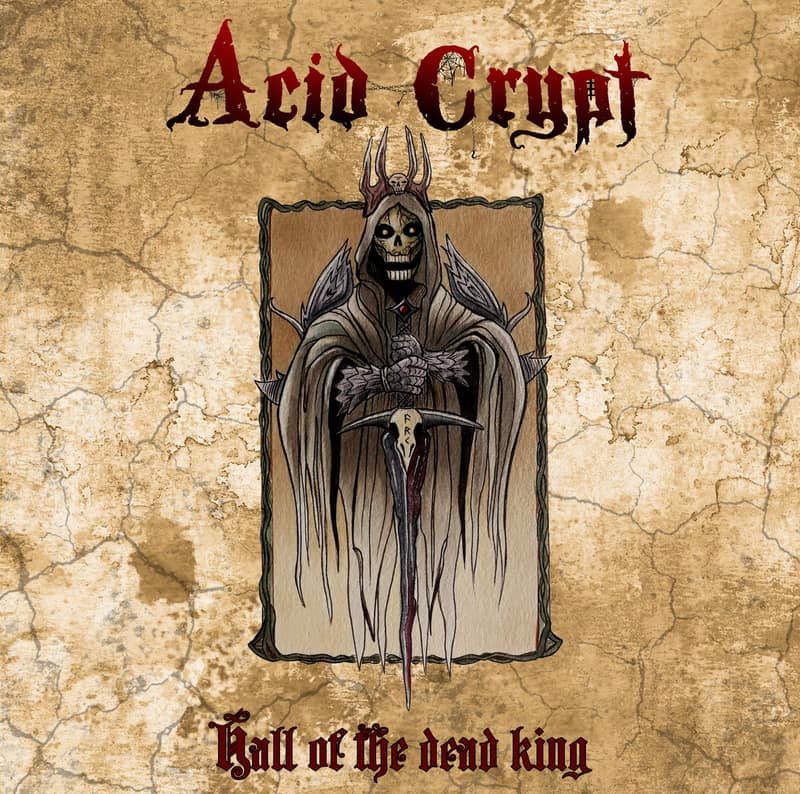
New York's doom metal community, including acts like Python and Acid Crypt, stands to benefit from this expanded acceptance of psychedelic elements within heavy music contexts. The integration of experimental visual approaches with traditional metal structures provides a template for regional acts seeking to distinguish themselves within increasingly crowded streaming environments.
July Release Windows Signal Strategic Album Timing
Boundaries' announcement of "Yearning: the unbeautiful after" for July 17 release coincides with The Menzingers' "Everything I Saw" targeting the same date, suggesting a strategic shift in metal and punk release timing. Traditional industry wisdom avoided summer releases due to touring season conflicts, but contemporary streaming economics appear to favor consistent release schedules regardless of seasonal touring patterns.
The simultaneous July releases from diverse genres—Boundaries' metalcore approach versus The Menzingers' punk evolution—demonstrate how contemporary acts prioritize streaming visibility over traditional radio promotion cycles. This shift benefits regional scenes by creating year-round release opportunities rather than concentrating new music in fall and spring windows.
The strategic timing also reflects changes in how audiences consume new music. Summer releases can capitalize on increased listening time during vacation periods and outdoor activities, while avoiding the oversaturated fall release calendar that traditionally dominated major label priorities. This democratization of release timing creates more opportunities for regional acts to compete for attention during previously underutilized periods.
Regional Scene Implications and Future Development
These diverse developments collectively suggest that New York's metal scene is positioned to benefit from industry-wide changes in touring economics, storytelling approaches, and release strategies. The success of hardcore touring packages, memoir-driven career expansion, and experimental visual approaches creates multiple pathways for regional acts to develop sustainable careers without relocating to traditional music industry centers.
The convergence of personal storytelling with aggressive music provides particular opportunities for New York artists who can leverage the state's literary and cultural heritage. The combination of Accept's collaborative approach with Chuck Billy's memoir strategy suggests that contemporary metal audiences appreciate both musical innovation and personal authenticity.
For emerging acts seeking to navigate this evolving landscape, the key appears to be balancing traditional metal values with innovative approaches to audience connection. Whether through strategic touring partnerships, multimedia experimentation, or personal narrative integration, successful acts are finding ways to expand their cultural impact beyond conventional album-tour cycles.
The summer touring explosion and memoir renaissance ultimately demonstrate that metal's future lies not in choosing between aggression and accessibility, but in finding innovative ways to deliver both simultaneously. New York's diverse metal community is uniquely positioned to lead this evolution, combining the state's cultural sophistication with the genre's fundamental commitment to authentic expression and musical intensity.