Band Evolution and Remix Innovation Signal Metal's Creative Flexibility Renaissance as New York Artists Pioneer Genre-Blending Approaches
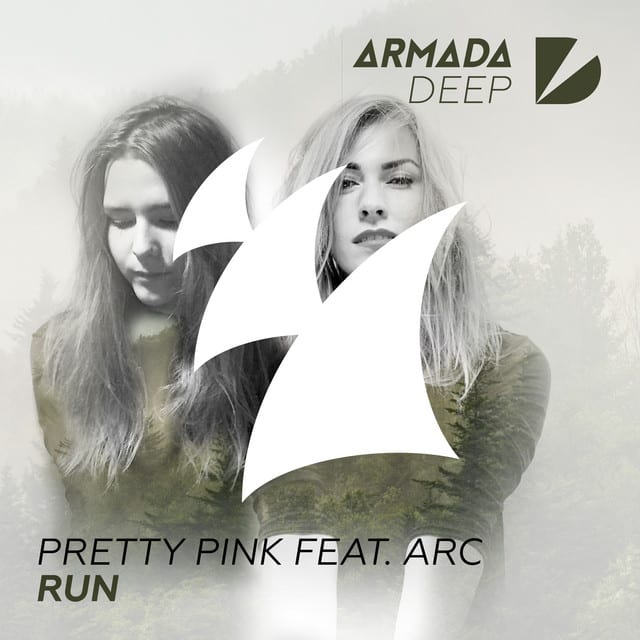
The metal landscape is experiencing a creative flexibility renaissance, as veteran acts embrace radical lineup transformations while cutting-edge artists pioneer innovative remix approaches. This evolution reflects a broader shift toward creative adaptability that's creating unprecedented opportunities for New York's diverse heavy music community.
Veteran Acts Embrace Radical Transformation
The most dramatic example of this creative flexibility comes from established acts willing to completely reimagine their core identity. When veteran bands announce they're moving forward with entirely new lineups while maintaining their original creative vision, it signals a fundamental shift in how metal acts approach longevity and artistic evolution.
This transformation approach reflects broader industry changes where brand identity becomes more important than personnel stability. Acts are discovering that creative vision can transcend individual membership, allowing established names to explore new sonic territories while maintaining their core fanbase.
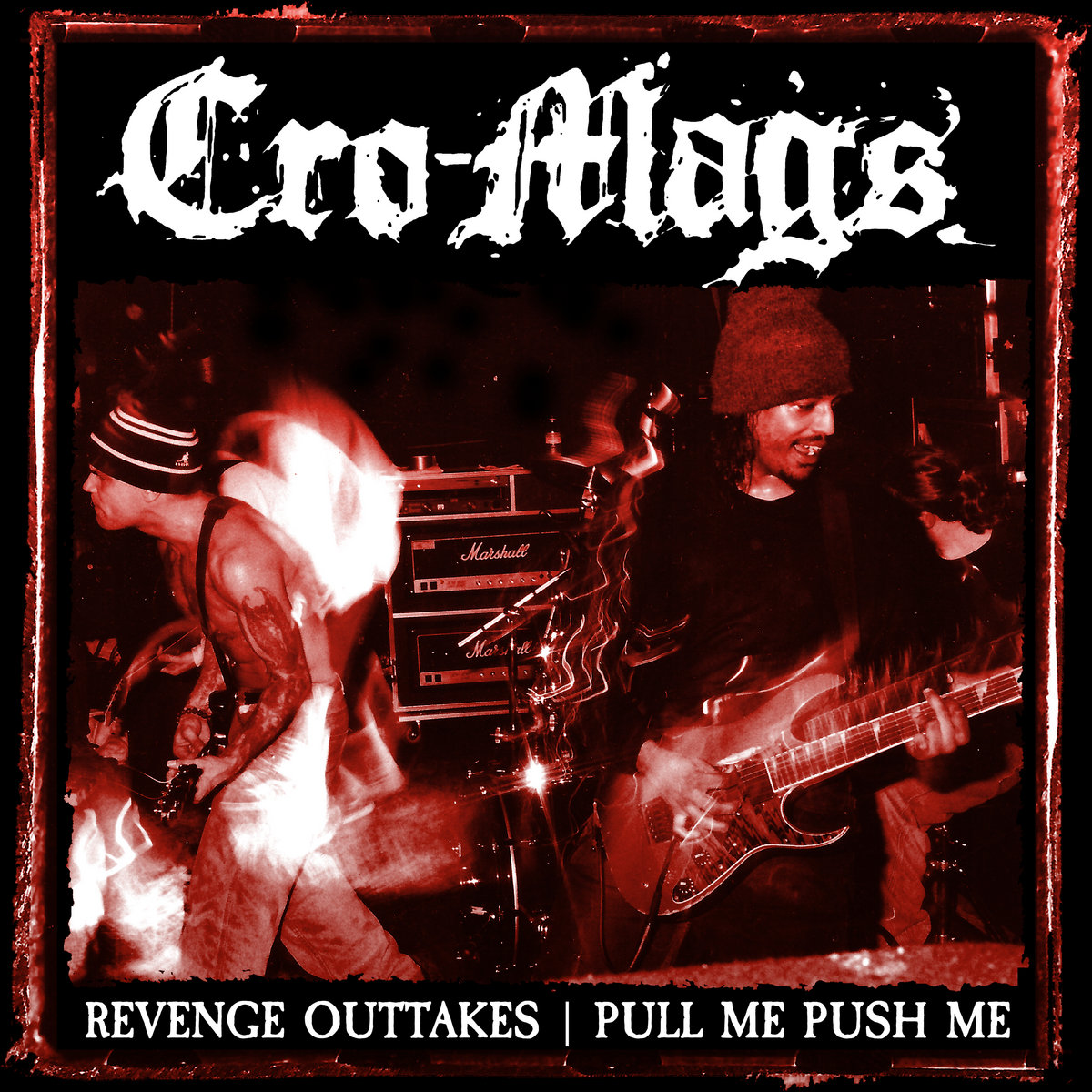
For regional scenes like New York's, this evolution model creates significant opportunities. Local musicians can now envision career paths that prioritize creative flexibility over traditional band loyalty structures. The Cro-Mags have demonstrated this approach throughout their evolution, showing how New York acts can maintain their essential identity while adapting their lineup to meet changing creative demands.
Remix Culture Transforms Metal's Digital Strategy
Simultaneously, the emergence of sophisticated remix projects signals metal's growing comfort with digital manipulation and electronic integration. When established metal acts commission professional remix treatments of their core material, they're acknowledging electronic music's influence on contemporary heavy music production.
This remix renaissance represents more than simple dance floor adaptations. Professional remix treatments can reveal hidden melodic elements in heavy compositions while introducing metal tracks to entirely new audiences through electronic music channels and DJ sets.
The technical precision required for effective metal remixing has created new collaboration opportunities between traditional heavy music producers and electronic artists. These partnerships often result in innovative production techniques that influence both genres, creating a creative feedback loop that benefits both electronic and metal communities.
Unity Through Diversity in Divided Times
Perhaps most significantly, veteran metal musicians are using their platforms to promote unity despite ideological differences. When established artists emphasize their ability to collaborate professionally despite varying personal beliefs, they're positioning metal culture as a model for broader social cooperation.
This unity message resonates particularly strongly in diverse regional scenes where musicians from different backgrounds must collaborate regularly. Metal's emphasis on shared creative passion over political alignment creates natural coalition-building that extends beyond music into community development.
The message becomes especially powerful when delivered by artists with decades of experience navigating industry challenges together. Their professional longevity demonstrates that creative collaboration can transcend personal differences, offering a template for both musical partnerships and broader social interaction.
New York's Advantage in the Flexibility Era
New York's metal scene is uniquely positioned to benefit from this creative flexibility renaissance. The state's diverse musical heritage and competitive live music environment have already produced artists comfortable with genre-blending and collaborative approaches.
The grindcore intensity of acts like Sully demonstrates how New York artists embrace extreme creative approaches, while the technical precision of bands like ARC shows the region's capacity for sophisticated musical evolution. These diverse approaches reflect the broader creative flexibility that's becoming essential for contemporary metal success.
Regional networking advantages also position New York acts to capitalize on collaboration opportunities. The state's proximity to major recording centers and diverse musician population creates natural partnership potential that can result in innovative remix projects and cross-genre collaborations.
International Success Through Creative Risk-Taking
The global metal community's enthusiasm for creative risk-taking has created new opportunities for innovative approaches to classic material. When established acts debut unexpected cover versions at international shows, they demonstrate how creative flexibility can generate significant media attention and fan engagement.

This risk-taking approach extends beyond simple cover versions to comprehensive reimagining of classic compositions. Professional arrangements that maintain essential melodic elements while introducing contemporary production techniques can create powerful bridges between classic and modern metal aesthetics.
International audiences have shown particular appreciation for creative reinterpretations that honor source material while demonstrating technical innovation. This reception suggests that creative flexibility, rather than rigid traditionalism, may be key to sustained international success.
Production Innovation Drives Creative Evolution
Behind these creative developments lies a production revolution that's making sophisticated remix and reinterpretation projects more accessible. Modern digital audio workstations and plugin technology allow regional acts to achieve professional remix quality without major label budgets.
This democratization of production technology has particular implications for scenes like New York's, where technical innovation and DIY ethics intersect productively. Local acts can now experiment with remix approaches and electronic integration that were previously limited to major label artists with significant production budgets.
The result is a creative environment where artistic vision matters more than financial resources, allowing innovative regional acts to compete directly with established artists in terms of production quality and creative sophistication.
The Future of Metal's Creative Flexibility
This creative flexibility renaissance suggests fundamental changes in how metal culture approaches artistic evolution and collaboration. Rather than viewing genre boundaries and lineup stability as essential elements, contemporary metal increasingly values adaptability and creative risk-taking.
For emerging artists, this evolution creates unprecedented freedom to experiment with unconventional approaches while maintaining connections to metal's essential aesthetic elements. The success of remix projects and radical lineup changes demonstrates that audiences value creative ambition over traditional approaches.
As this trend continues, regional scenes that embrace creative flexibility and collaboration will likely see increased opportunities for both local development and international recognition. New York's diverse musical heritage and innovative artist community position the state's metal scene to lead this creative renaissance, setting new standards for how contemporary heavy music can evolve while maintaining its essential power and intensity.
The convergence of technological accessibility, creative ambition, and audience enthusiasm for innovation has created an environment where metal's future will be defined by adaptability rather than tradition—a development that promises exciting opportunities for artists willing to embrace creative risk-taking.