Sebastian Bach's Legacy Focus and Triumph's Return Signal Classic Metal's Aging Gracefully Renaissance
The conversation around aging in metal has taken on new dimensions as veteran acts confront both physical limitations and artistic legacy preservation. Recent statements from Canadian rock legends Triumph's Rik Emmett about vocal range changes and Sebastian Bach's philosophical approach to recorded legacy reveal how 80s metal bands are adapting to the realities of decades-long careers while maintaining relevance in today's heavy music landscape.
Vocal Realities and Physical Limitations
Triumph's first tour in over three decades brings with it honest admissions about the physical toll of metal performance. Rik Emmett's candid discussion with Rochester's 13WHAM about his changing vocal abilities represents a refreshing departure from the typical rock star bravado. The acknowledgment that "certain notes" are no longer accessible speaks to a broader phenomenon affecting countless metal veterans who built their reputations on technical precision and vocal athleticism.
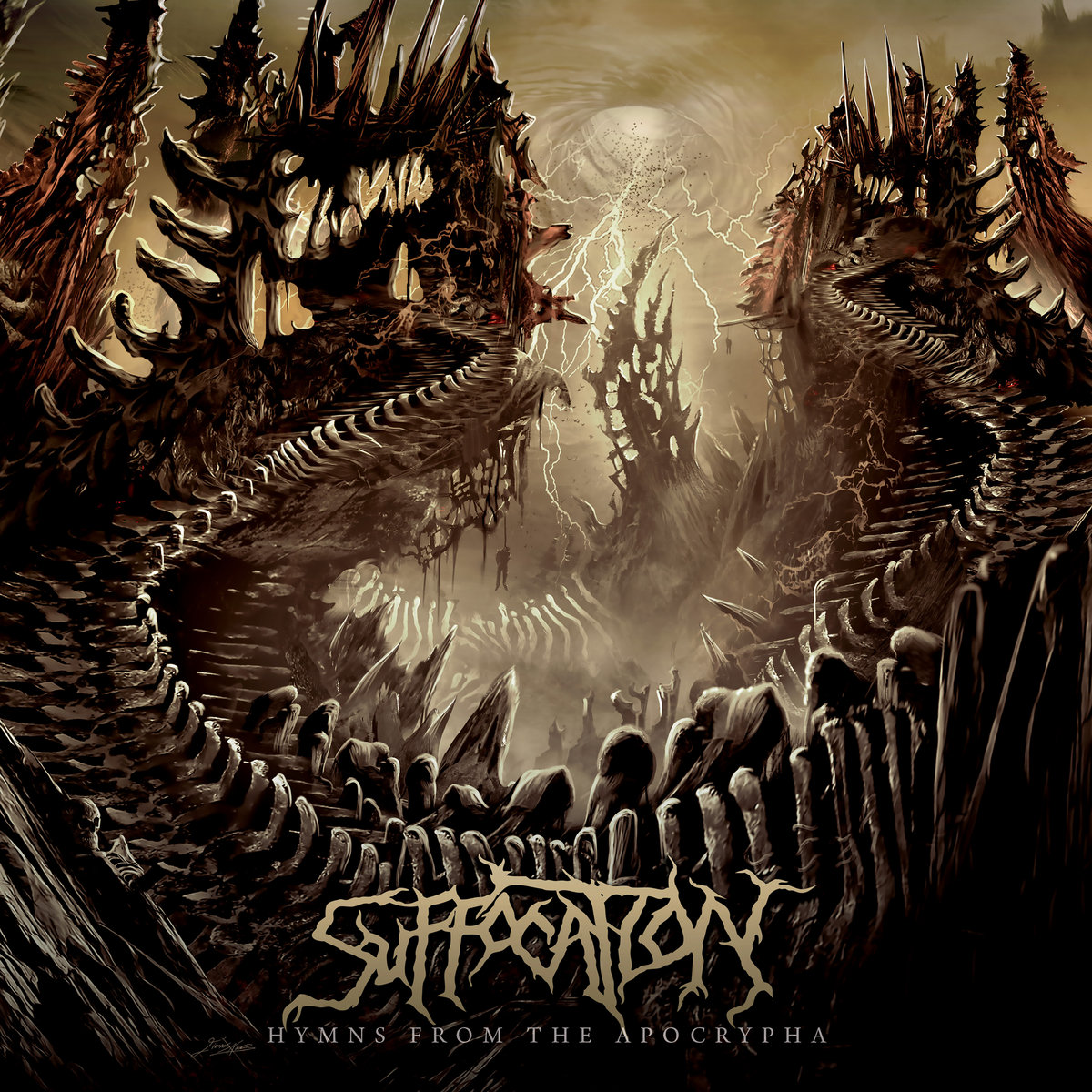
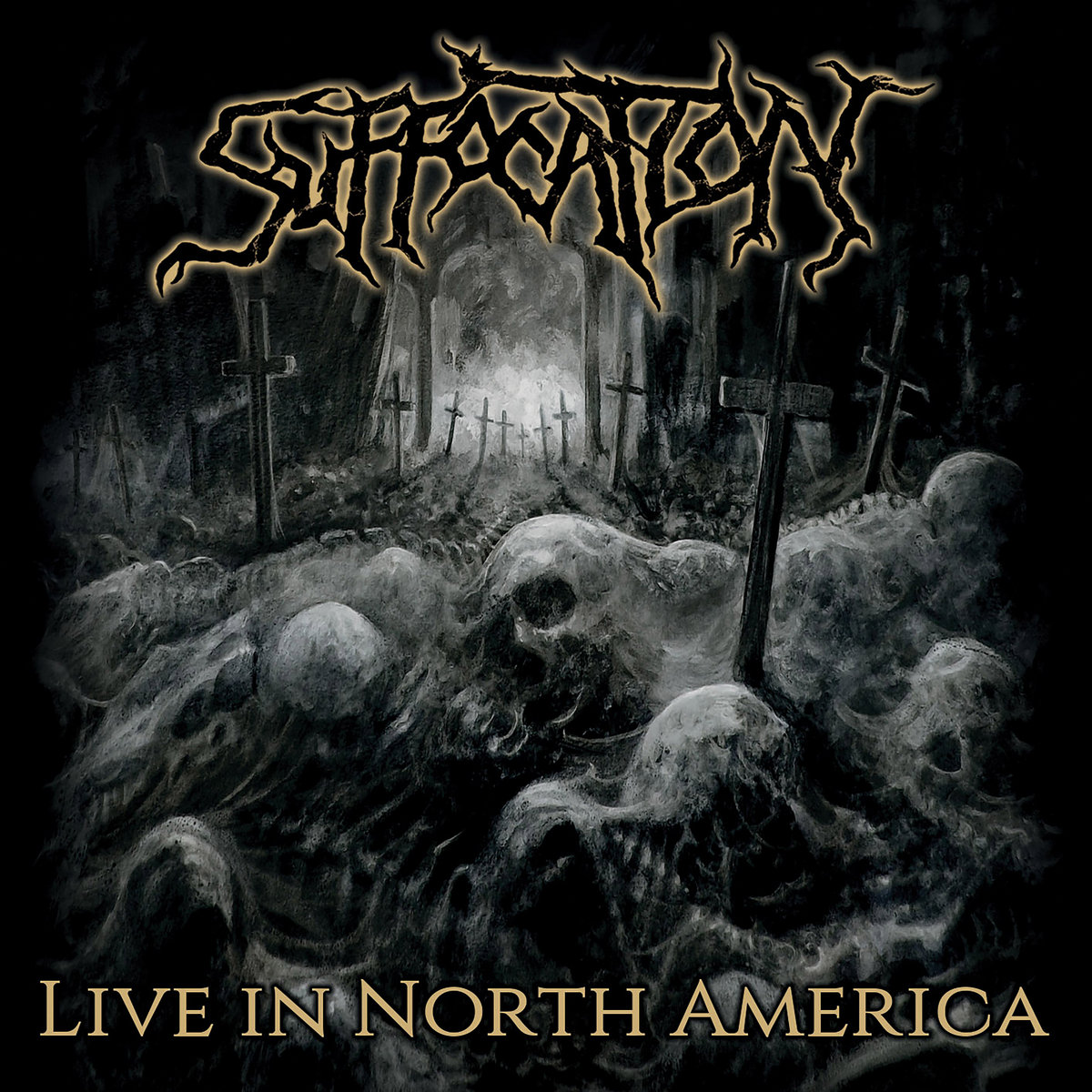
This honesty creates an interesting parallel with New York's own technical death metal scene, where bands like Suffocation have maintained brutal precision across multiple decades. The contrast between maintaining technical death metal's demanding physical requirements and classic rock's melodic vocal challenges highlights how different subgenres present unique aging obstacles for veteran performers.
For Emmett and drummer Gil Moore, the 2026 tour represents more than nostalgia—it's a calculated artistic statement about what remains possible within acknowledged limitations. This approach could influence how other metal bands touring 2026 frame their own comeback narratives, moving away from promises of unchanged prowess toward honest celebrations of evolved artistry.
Legacy Through Recorded Output
Sebastian Bach's perspective on recorded legacy offers a contrasting but complementary viewpoint to Triumph's touring challenges. His continued performance of material from "Child Within The Man" two years after its release demonstrates how solo artists can leverage recorded work as career foundation rather than simply promotional stepping stones.
Bach's statement about records serving as earthly legacy reflects a mature understanding of how metal careers function in streaming-dominated markets. Unlike the touring-dependent model that many metal acts rely upon, this philosophy suggests recorded output as the primary vehicle for artistic immortality. This approach resonates particularly well with New York's diverse metal community, where bands across genres from atmospheric black metal acts like Cur to doom specialists create recordings designed for long-term impact rather than immediate commercial success.
The emphasis on recorded legacy also addresses how the New York metal scene can preserve its innovations beyond individual performer longevity. Local acts have increasingly focused on creating definitive statements through albums rather than banking careers solely on live performance energy, a strategy that Bach's comments validate for veteran and emerging acts alike.
Public Opinion and Regional Scene Development
The announcement of Public Opinion's "The Curse of Public Opinion" album featuring Vinnie Caruana represents exactly the kind of collaborative approach that strengthens regional metal ecosystems. SideOneDummy's involvement signals how established labels continue investing in artists who understand both legacy preservation and contemporary relevance.
Caruana's participation exemplifies how veteran musicians can contribute to new metal bands 2026 without compromising artistic integrity. This collaborative model offers a template for how New York's metal scene can leverage its established talent base to support emerging acts, creating mentorship opportunities that benefit both generations of musicians.
Collaboration Networks and Guest Appearances
The trend toward featured collaborations, exemplified by Stitched Up Heart's work with Nonpoint's Elias Soriano and Extinction A.D.'s partnership with Incendiary's Brian Audley, reveals how modern metal artists are building career sustainability through strategic partnerships. These collaborations create cross-promotional opportunities that extend beyond traditional touring circuits.
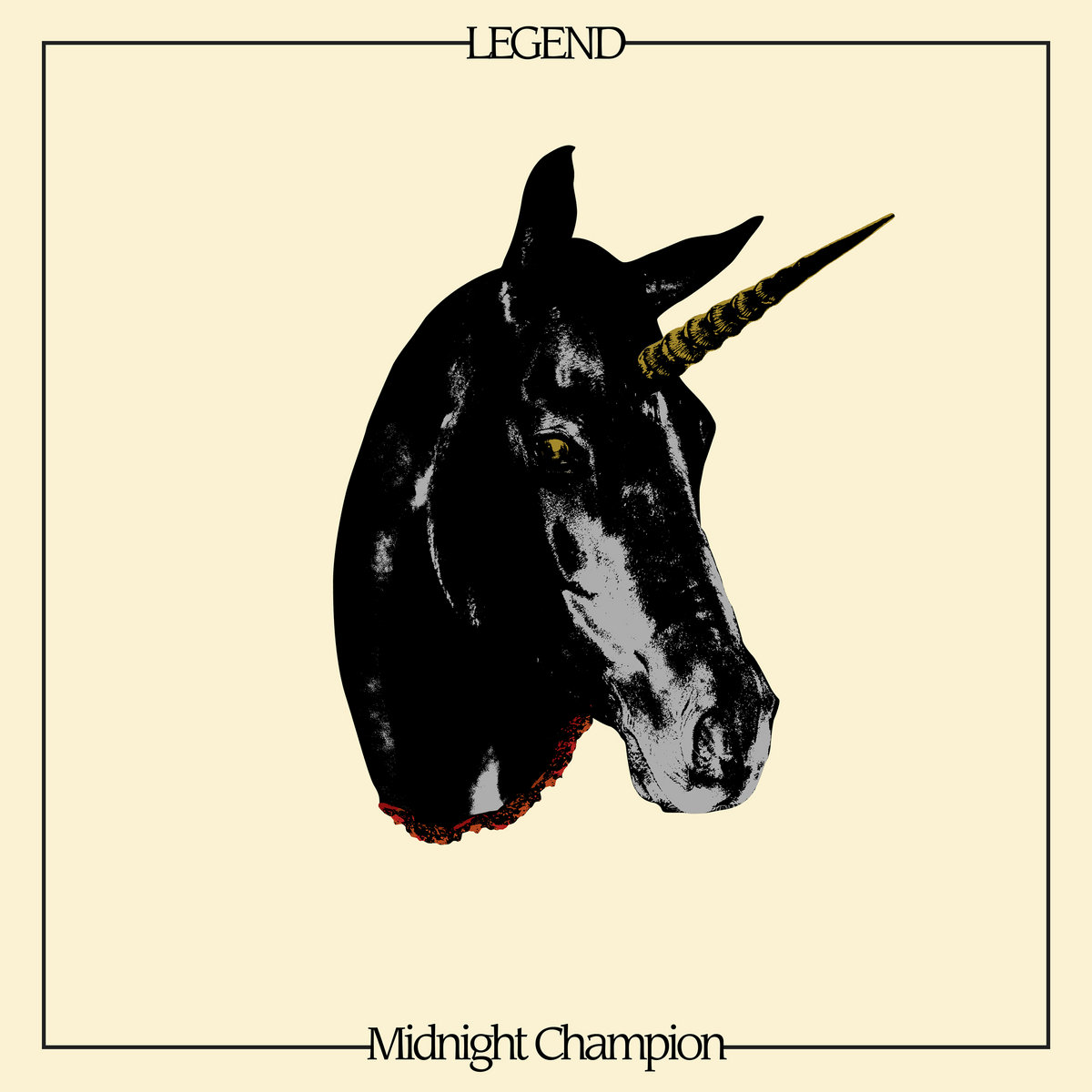
For New York metal acts, this collaboration model offers particular advantages given the state's diverse regional scenes. Heavy metal traditionalists like Legend could potentially benefit from strategic partnerships with acts from complementary subgenres, creating opportunities for audience crossover without stylistic compromise.
The geographic advantage that New York provides for such collaborations cannot be understated. With major recording facilities, diverse local scenes, and proximity to industry infrastructure, Empire State metal acts are positioned to capitalize on collaboration trends more effectively than bands in less connected regions.
International Touring and Local Opportunities
Today Is The Day's spring touring plans with Napalm Death and Pentagram represent the kind of international extreme metal packaging that creates opportunities for local support acts. These touring combinations demonstrate how veteran extreme metal acts can maintain relevance while providing exposure opportunities for regional scenes.
The inclusion of legendary doom pioneers Pentagram alongside grindcore innovators Napalm Death creates an educational touring package that exposes audiences to metal's historical depth. New York's metal community, with its strong representation across doom, death, and black metal subgenres, stands to benefit from the increased attention such tours bring to extreme music formats.
Drum Innovation and Technical Evolution
Gojira's Mario Duplantier's new drum solo "Avalanche" highlights how technical innovation continues driving metal forward even as veteran acts confront aging challenges. This focus on individual technical showcases provides a model for how metal musicians can demonstrate continued growth regardless of band context or career stage.
The emphasis on drum innovation particularly resonates with New York's technical death metal community, where rhythmic complexity serves as a defining characteristic. Acts exploring the intersection of technical proficiency and artistic maturity can draw inspiration from how established musicians continue pushing their instrumental boundaries.
The Broader Implications
Mike Portnoy's enthusiasm for Rush's "Fifty Something" tour demonstrates how metal's community celebrates artistic longevity across genre boundaries. This cross-pollination of respect between progressive metal, classic rock, and extreme metal subgenres creates cultural space for veteran acts to continue evolving without abandoning their foundational approaches.
The combination of honest assessment about physical limitations, strategic collaboration approaches, and continued technical innovation suggests that metal's aging gracefully renaissance is just beginning. Rather than fighting against time's effects, veteran acts are increasingly finding ways to work within changing parameters while maintaining artistic integrity.
For New York's metal scene, these developments create numerous opportunities. Veteran local acts can adopt similar honesty-forward approaches to touring and recording, while emerging bands can benefit from collaboration opportunities with established musicians who understand both legacy preservation and contemporary market realities.
The success of this aging gracefully approach ultimately depends on audience acceptance of evolved artistry over unchanging recreation. Early indicators suggest that metal fans, particularly those who've grown alongside their favorite bands, appreciate authentic artistic development over artificial attempts to recreate past glories. This cultural shift creates space for both veteran comeback tours and intergenerational collaboration projects that strengthen the entire heavy music ecosystem.