Streaming Billions and Guitarist Shuffles Reshape Metal's Commercial Landscape as New York Artists Adapt
The metal industry's rapid transformation accelerated this week as streaming milestones, significant lineup changes, and evolving band strategies signal major shifts in how heavy music operates commercially. These developments create both challenges and opportunities for New York's diverse metal community.
Streaming Success Stories Drive Genre Evolution
Disturbed's recent achievement of reaching multiple billion-stream songs on Spotify represents more than just impressive numbers—it demonstrates how certain metal acts have successfully navigated the streaming economy's demands. Their accomplishment highlights the growing importance of catalog depth and cross-generational appeal in today's digital landscape.
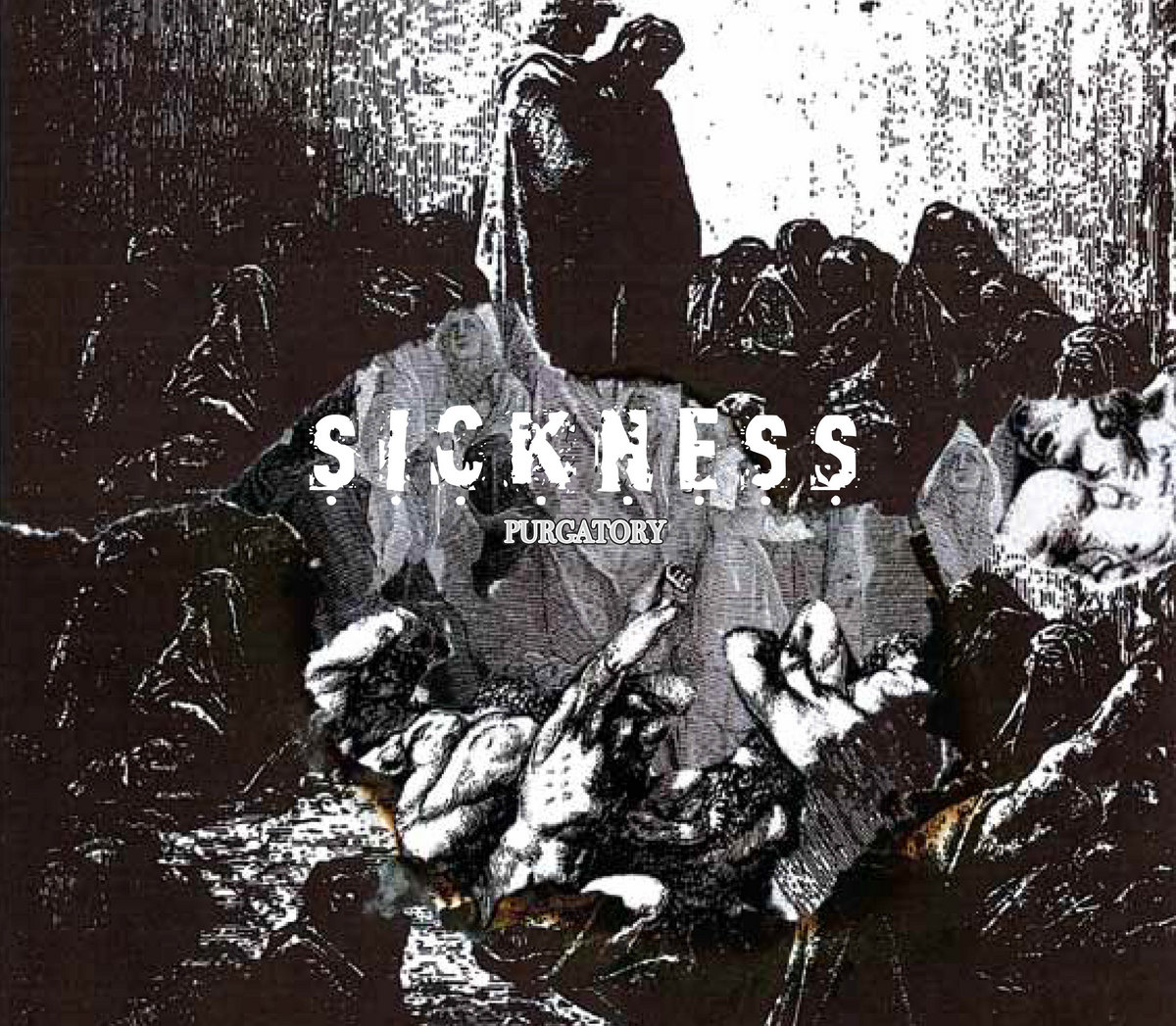
This streaming success story contrasts sharply with the underground metal scene's approach, where bands prioritize artistic integrity over commercial metrics. New York's Sickness exemplifies the thrash metal scene's commitment to raw intensity over polished streaming optimization, representing the authentic aggression that built the genre's foundation.
The billion-stream milestone phenomenon raises questions about what constitutes success in modern metal. While mainstream recognition brings financial stability, many artists worry about diluting their sound to achieve streaming algorithm favor. This tension particularly affects emerging acts trying to balance artistic vision with commercial viability.
Lineup Changes Signal Industry Instability
The recent guitarist addition to 40 Below Summer marks another significant lineup change in the nu-metal revival movement. Anthony Bordonaro's joining from Redefined demonstrates how veteran musicians continue circulating through different projects, bringing experience and fresh perspectives to established acts.
These personnel shuffles reflect broader industry trends where musicians increasingly view band membership as fluid rather than permanent. The modern metal scene's project-based approach allows artists to explore different creative outlets while maintaining multiple revenue streams. This flexibility helps musicians adapt to an industry where traditional album sales no longer guarantee financial stability.
For New York's metal community, these changes create opportunities for local musicians to connect with touring acts seeking session players or temporary members. The state's proximity to major venues and its rich musical heritage make it an ideal location for bands to find skilled replacements or collaborators.
Political Tensions Divide Metal Community
The resignation of Vicious Rumors' drummer following controversial political statements highlights growing ideological divisions within metal's traditionally rebellious community. These conflicts reveal fundamental disagreements about the genre's role in addressing social and political issues.
Metal has always embraced outsider perspectives and challenged authority, but the current political climate forces bands to navigate increasingly polarized audiences. Some fans expect artists to take clear political stances, while others prefer music to remain separate from ideology. This tension particularly affects veteran bands whose fan bases span multiple generations with different worldviews.
The situation demonstrates how cancel culture debates have penetrated even metal's anti-establishment community. Bands must now consider how individual members' statements might impact group dynamics, tour bookings, and commercial partnerships. This reality creates additional pressure on musicians who traditionally viewed metal as an escape from societal constraints.
Album Cycles and Touring Strategies Evolve
Fear Factory's tour rescheduling and SNOT's continued album work illustrate how established acts adapt their strategies to modern market realities. The delay of Latin American dates shows how bands prioritize sustainable touring schedules over aggressive expansion, recognizing that overextension can damage long-term career prospects.
SNOT's careful approach to their comeback album demonstrates how reunion projects require different strategies than new band launches. With original singer Lynn Strait's tragic death still resonating with fans, the band faces the challenge of honoring their legacy while establishing a new identity with replacement vocalist Andy Knapp.
These developments affect New York's metal scene by showing how veteran acts balance nostalgia with innovation. Local bands like Engineer in the sludge metal realm understand this balance, maintaining their core sound while evolving their approach to meet contemporary audience expectations.
New Projects and Creative Partnerships
The launch of Parasite Tongue by Good Tiger and ex-Sky Eats Airplane members represents metal's ongoing evolution through side projects and creative partnerships. These collaborations allow musicians to explore different sonic territories while maintaining their primary band commitments.
Side projects serve multiple purposes in today's metal economy: they provide creative outlets for exploring different genres, offer additional revenue streams, and help maintain fan engagement between major releases. The strategy particularly benefits musicians whose main bands have lengthy album cycles or limited touring schedules.
For New York musicians, these collaborative approaches offer models for career sustainability. The state's dense population of skilled players creates numerous opportunities for cross-genre partnerships and experimental projects that might not be possible in smaller markets.
Festival Circuit Expansion
Turnstile's booking for the 2026 FORM Festival alongside diverse artists like Lorde demonstrates metal's increasing integration into broader musical landscapes. This crossover appeal helps introduce heavy music to new audiences while providing established metal acts with larger, more diverse crowds.
Festival appearances often prove more lucrative than traditional metal-only tours, allowing bands to reach fans who might not attend genre-specific shows. This economic reality encourages metal acts to develop more accessible material without completely abandoning their core sound.
The trend particularly benefits New York-based acts, as the state's proximity to major East Coast festivals creates opportunities for local bands to secure opening slots or side stage appearances. These platforms can significantly accelerate career development for emerging artists.
Visual Identity and Branding Updates
Lamb of God's decision to update their logo after 27 years reflects how even established metal acts must periodically refresh their visual identity to maintain relevance. Mark Morton's comments about their old logo feeling "dated" acknowledge that metal branding must evolve with changing aesthetic preferences.
Logo changes risk alienating longtime fans who associate specific imagery with their favorite bands' music. However, strategic updates can help acts appeal to younger audiences while signaling artistic evolution. The key lies in maintaining recognizable elements while updating outdated design approaches.
This branding evolution affects merchandise sales, which remain crucial revenue streams for metal bands. Updated logos create opportunities to refresh entire product lines while potentially increasing appeal to casual fans who might wear band shirts as fashion statements rather than musical declarations.
Looking Ahead: New York's Metal Future
These industry developments create both opportunities and challenges for New York's metal community. The state's diverse scene positions local acts to benefit from streaming success stories, lineup change opportunities, and festival circuit expansion. However, political tensions and commercial pressures require careful navigation.
New York's Soul Release and other neoclassical metal acts represent the state's ability to blend traditional heavy metal elements with innovative approaches. These bands demonstrate how local artists can maintain artistic integrity while adapting to industry changes.
The metal scene's continued evolution rewards adaptability while punishing complacency. New York's rich musical heritage and diverse talent pool provide advantages in this changing landscape, but success requires strategic thinking and willingness to embrace new opportunities while preserving the genre's essential spirit.
As streaming continues reshaping music consumption, touring logistics become more complex, and political divisions deepen, New York's metal community must remain flexible while supporting the authentic creativity that defines great heavy music. The state's bands that successfully navigate these challenges will be positioned to thrive in metal's evolving future.