Lineup Chaos and Alternative Festival Dreams Reshape Metal's Mainstream Acceptance Strategy
The metal world is experiencing a fascinating period of reinvention, with established acts navigating lineup changes while visionaries plot alternative festival circuits that could fundamentally alter how heavy music reaches mainstream audiences. From Fred Durst's ambitious plans for an alternative festival network to band roster shuffles that reflect the genre's evolving creative dynamics, these developments signal major shifts in how metal artists approach both artistic collaboration and commercial strategy.
The Alternative Festival Revolution Takes Shape
Fred Durst's recent revelation about developing a festival circuit for artists overlooked by mainstream events represents more than just industry frustration—it's a potential paradigm shift that could benefit New York's diverse metal community. When mainstream festivals consistently overlook certain acts, alternative circuits become essential for artistic visibility and fan connection.
This initiative arrives at a crucial moment for New York's heavy music scene, where acts ranging from Bad Omen to established crossover thrash pioneers like Agnostic Front could benefit from expanded festival opportunities. The Empire State's metal community has always thrived on alternative approaches to mainstream music industry structures, making Durst's vision particularly relevant for local acts seeking broader exposure.
Alternative festival circuits historically provide crucial platforms for genre development and fan cultivation. New York's metal scene, with its rich diversity spanning everything from brutal death metal to progressive compositions, stands to gain significantly from festivals designed around artistic merit rather than purely commercial considerations.
Lineup Transformations Signal Creative Evolution
Band lineup changes continue reshaping the metal landscape, with Escuela Grind's recent roster adjustments exemplifying how modern acts navigate personnel transitions while maintaining creative momentum. Their approach—converting their drummer to guitar while introducing new percussion talent—demonstrates the fluid nature of contemporary metal collaboration.
These strategic personnel moves reflect broader trends in heavy music, where artists increasingly view lineup changes as creative opportunities rather than setbacks. For New York acts like Soul Release, whose neoclassical metal and thrash fusion requires specific technical capabilities, understanding how established acts manage roster transitions provides valuable insight into maintaining artistic integrity during personnel shifts.
The willingness of bands to experiment with role changes within existing lineups suggests a maturation in how metal acts approach creative challenges. Rather than simply replacing departing members, groups are exploring how existing personnel can contribute differently to their sound evolution.
Production Networks and Artistic Authenticity
Amy Lee's observations about truth and information overload in contemporary culture resonate deeply within metal's current creative climate. Her commentary, delivered while discussing Evanescence's forthcoming album produced by industry veterans including Zakk Cervini, touches on challenges facing all modern metal artists: maintaining authenticity while navigating oversaturated information landscapes.
This tension between artistic integrity and commercial visibility affects every level of metal, from major acts working with high-profile producers to underground New York bands developing their sound in local studios. The question of maintaining genuine artistic expression while reaching broader audiences remains central to metal's continued evolution.
Production choices increasingly define how metal bands balance mainstream accessibility with genre authenticity. Working with producers associated with diverse acts from Bad Omens to Bring Me the Horizon suggests metal artists are embracing cross-genre collaboration as a path toward creative innovation rather than compromise.
Legacy Acts and Contemporary Perspectives
Richie Faulkner's defense of bands touring without complete classic lineups addresses ongoing debates about authenticity and fan expectations in metal's current era. His pragmatic approach—if fans don't want to see modified lineups, they simply shouldn't attend—reflects growing industry confidence in artistic decision-making despite fan criticism.
This perspective holds particular relevance for Testament's ongoing tour documentation and similar veteran act activities. When legendary bands continue performing with evolved lineups, they establish precedents for how metal maintains its legacy while embracing necessary changes.
New York's metal scene benefits from these discussions because they normalize artistic evolution. Local acts ranging from technical death metal innovators to progressive pioneers can observe how established artists handle criticism while pursuing creative growth.
Gaming Culture Integration and Metal's Expanding Reach
Frozen Soul's Magic: The Gathering collaboration with their latest single release represents metal's growing integration with gaming culture, opening new avenues for fan engagement and community building. These cross-medium partnerships demonstrate how contemporary metal acts expand their reach beyond traditional music industry channels.
Gaming collaborations offer particularly promising opportunities for New York metal bands seeking to connect with younger demographics while maintaining genre credibility. The natural alignment between metal's fantasy elements and gaming narratives creates authentic partnership possibilities that benefit both mediums.
Such initiatives also reflect metal's increasing confidence in its cultural relevance. Rather than treating gaming partnerships as novelty marketing, bands are recognizing shared audience interests and developing meaningful collaborative content.
Memorial Tributes and Community Solidarity
The touching tribute to Bo Lueders through CM Punk's WrestleMania gesture demonstrates metal community solidarity extending beyond music into broader entertainment spheres. When wrestling personalities honor metal figures, it reinforces heavy music's cultural impact and the interconnected nature of alternative entertainment communities.
These moments of recognition highlight metal's influence across various cultural domains while emphasizing the genre's tight-knit community values. For New York's metal scene, such displays of solidarity reinforce the importance of supporting artists and industry figures throughout their careers and beyond.
Looking Forward: New York's Metal Future
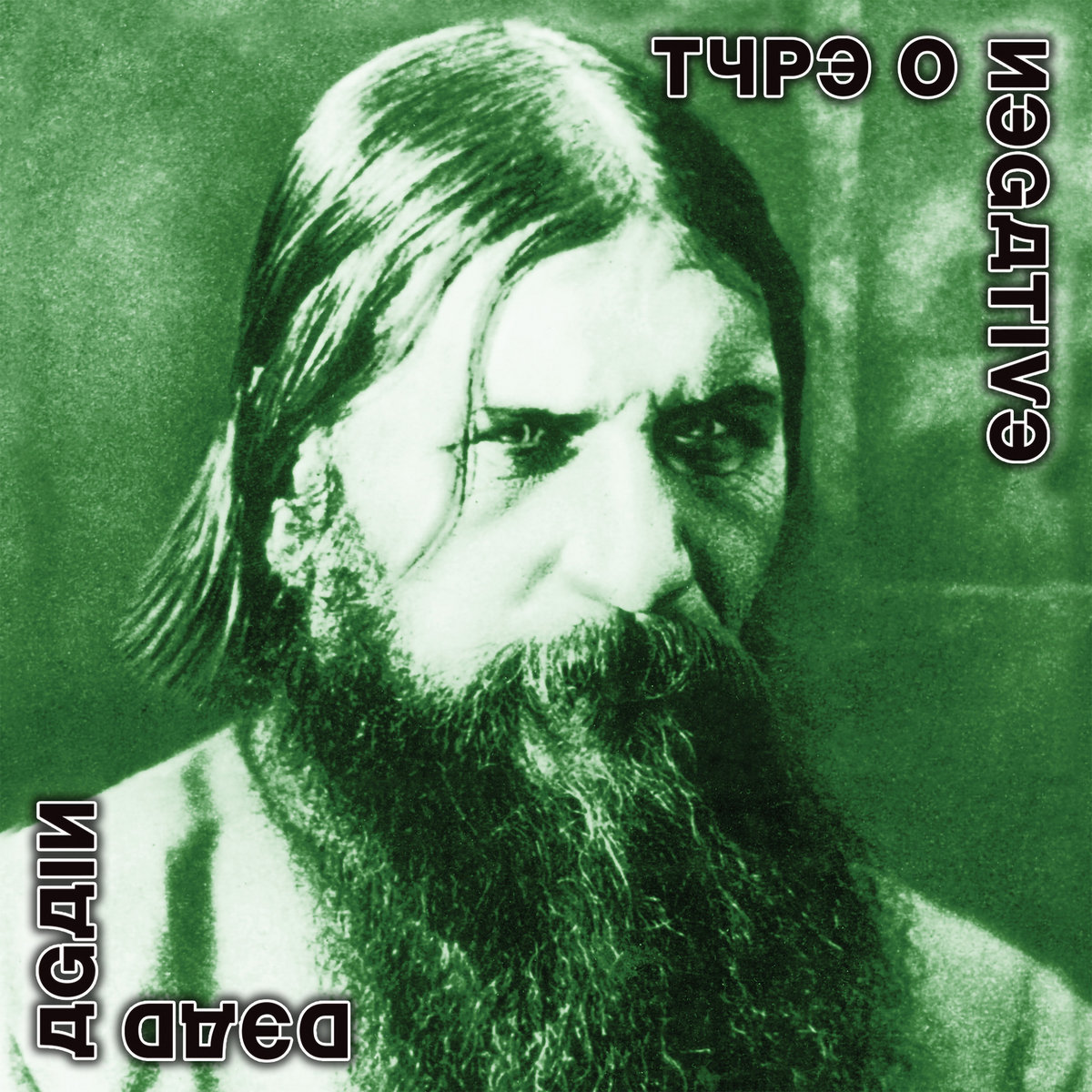
As these industry developments unfold, New York's metal community stands positioned to benefit from increased festival opportunities, evolving production approaches, and expanded cultural integration. The state's rich heavy music history, from pioneers like Type O Negative to contemporary innovators, provides a foundation for capitalizing on these emerging trends.
The combination of alternative festival circuits, evolved production networks, and cross-cultural collaborations creates unprecedented opportunities for Empire State metal acts to reach new audiences while maintaining artistic integrity. Whether through gaming partnerships, alternative festival appearances, or innovative production approaches, New York's metal future appears brighter than ever.
For emerging bands and established acts alike, these developments signal a metal industry increasingly willing to embrace change while honoring its foundational values. The key lies in recognizing opportunities while staying true to the authentic expression that defines great metal music.