Vocalist Shake-ups and Farewell Tours Trigger Empire State Metal's Generational Shift
The metal world is experiencing an unprecedented wave of lineup changes and farewell tours, creating ripple effects that extend far beyond individual bands into the broader heavy music ecosystem. From Arch Enemy's bold decision to replace their longtime vocalist with Lauren Hart to Sepultura's carefully orchestrated farewell tour featuring Greyson Nekrutman behind the kit, these high-profile transitions reveal how new metal bands 2026 and veteran acts alike are navigating the complex dynamics of artistic evolution and legacy preservation.
The most striking example comes from Sweden's melodic death metal giants Arch Enemy, who have completed their first major touring cycle with new frontwoman Lauren Hart, formerly of Once Human. Hart's debut performances during the band's seven-date Chinese tour and subsequent Tokyo shows represent more than just a simple personnel change—they signal a fundamental shift in how established metal acts approach vocalist transitions in an era where social media scrutiny and fan expectations have never been higher.
What makes this transition particularly significant is the timing and execution. Rather than announcing a lengthy farewell tour for departing vocalist Alissa White-Gluz, Arch Enemy opted for a swift, decisive change that prioritized continuity over sentimentality. This approach stands in stark contrast to the extended goodbye strategies employed by other major acts, suggesting that some bands are prioritizing artistic momentum over nostalgia-driven revenue streams.
The Farewell Tour Economy Reaches Critical Mass
Meanwhile, Brazilian metal legends Sepultura are taking the opposite approach with their carefully orchestrated farewell tour, featuring former Suicidal Tendencies drummer Greyson Nekrutman stepping into one of metal's most demanding rhythm sections. Nekrutman's recent interview revelations about the mental preparation required for such a high-stakes gig highlight the immense pressure facing musicians who must honor decades of musical legacy while bringing their own artistic identity to the role.
The farewell tour phenomenon has reached unprecedented proportions, with metal bands touring 2026 increasingly viewing final tours as essential legacy-cementing exercises rather than simple cash grabs. This trend creates unique opportunities for skilled musicians like Nekrutman, who must balance technical precision with emotional authenticity when stepping into such historically significant roles.
For New York's metal community, these high-profile lineup changes offer valuable lessons in adaptation and reinvention. Local acts like Chaos and other thrash metal practitioners in the Empire State can observe how established bands navigate vocalist transitions and apply those strategies to their own evolutionary processes.
Electronic Fusion and Cross-Genre Pollination
The current wave of lineup changes isn't limited to traditional metal substitutions. The recent split between experimental metal project Igorrr and vocalist Marthe Alexandre, followed by the announcement of replacement singer Gerda Iguchi, demonstrates how even the most avant-garde metal acts must balance artistic vision with practical touring considerations. This transition occurs as the band prepares for summer touring commitments, highlighting the business pressures that often drive creative decisions in contemporary metal.
These experimental approaches to metal composition and performance resonate particularly strongly within New York metal scene circles, where genre boundaries have always been more fluid than in other regional metal communities. The Empire State's history of embracing crossover thrash, hardcore punk integration, and progressive metal experimentation creates fertile ground for acts willing to push stylistic boundaries.
Legacy Acts Navigate Modern Expectations
The broader implications of these lineup changes extend into how veteran acts approach their historical catalogs. Accept's David Reece recently expressed interest in participating in 50th anniversary celebrations with his former bandmates, exemplifying how 80s metal bands are increasingly viewing reunion opportunities as essential components of comprehensive legacy management rather than simple nostalgia exercises.
This approach reflects a sophisticated understanding of how modern metal audiences consume music across multiple decades simultaneously. Streaming platforms have created conditions where a band's entire discography exists in perpetual present tense, making it crucial for acts to maintain coherent relationships with all eras of their creative output.
Iron Maiden's decision to skip their Rock and Roll Hall of Fame induction ceremony due to Australian touring commitments further illustrates how established metal acts prioritize direct fan engagement over industry recognition. This choice sends a clear message about metal's values hierarchy, placing live performance and fan accessibility above institutional validation.
Regional Implications and Local Opportunities
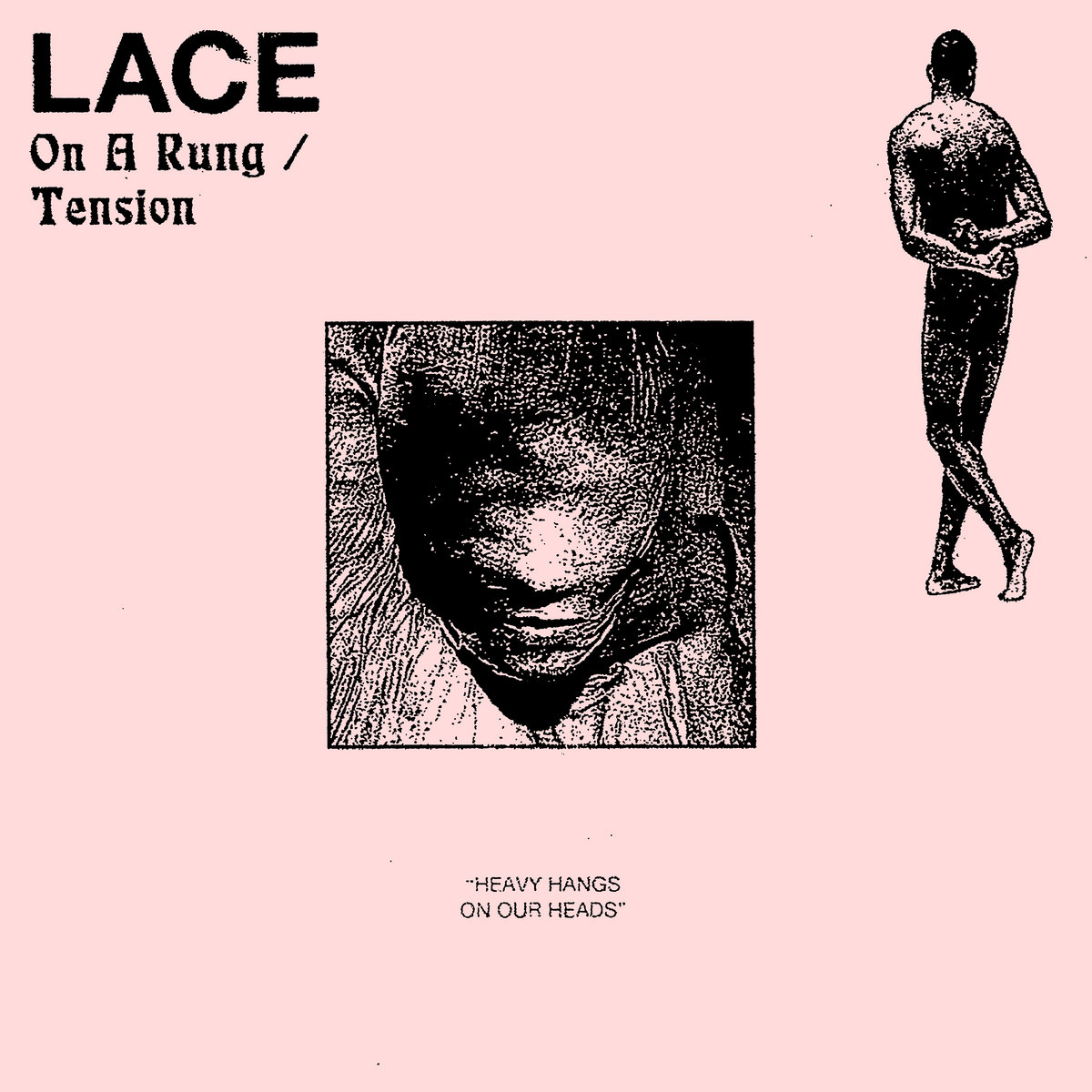
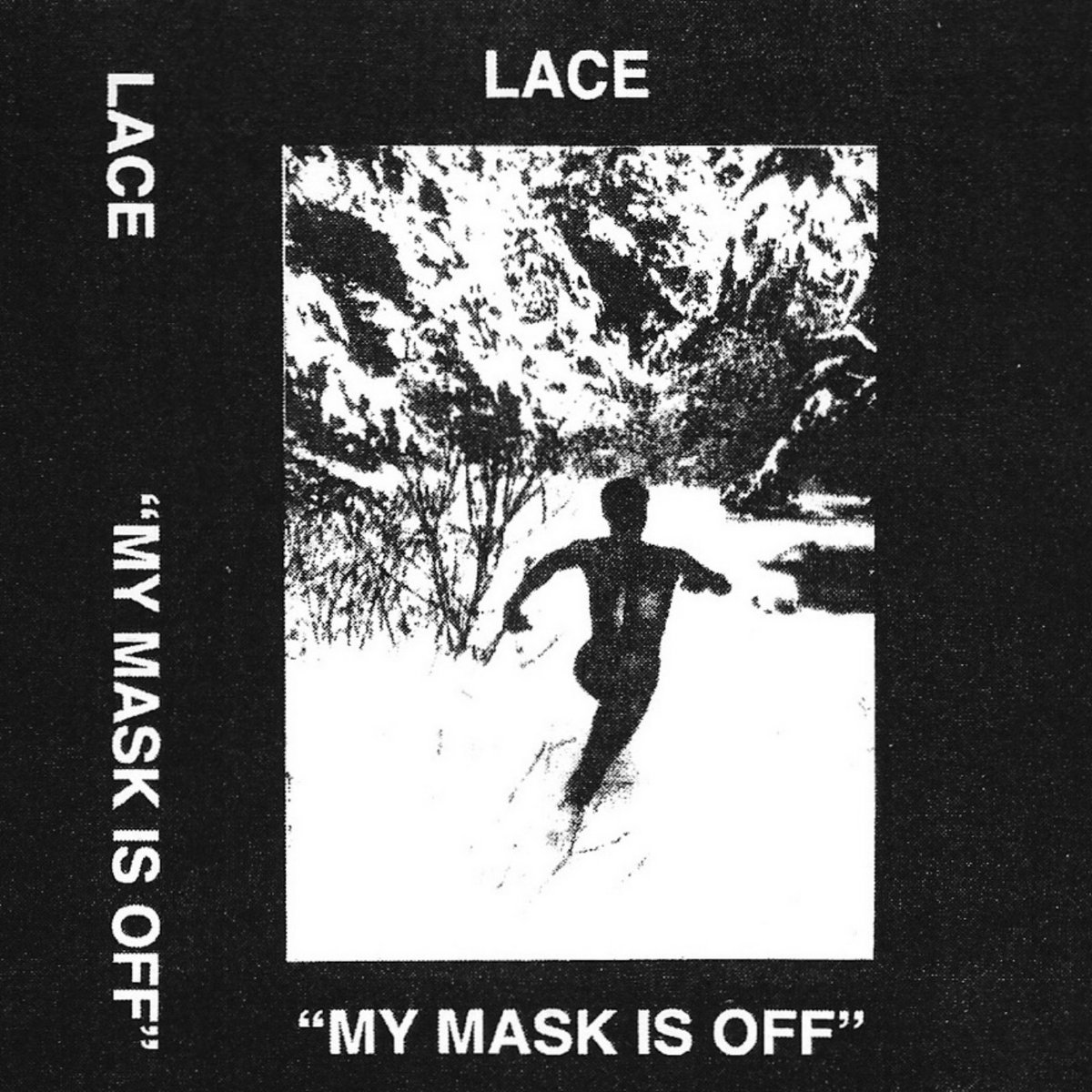
For New York's diverse metal ecosystem, these global developments create both challenges and opportunities. The increasing emphasis on lineup flexibility and cross-genre experimentation aligns perfectly with the Empire State's historically inclusive approach to heavy music. Local acts across multiple subgenres—from Lace's traditional heavy metal approach to the more experimental territories explored by progressive and extreme metal practitioners—can benefit from studying how major acts handle creative transitions.
The current environment also creates increased opportunities for skilled musicians willing to step into established bands during transitional periods. Greyson Nekrutman's trajectory from Suicidal Tendencies to Sepultura demonstrates how regional metal scenes can serve as proving grounds for musicians who eventually ascend to international prominence.
Kiss's upcoming "unmasked" performances in Las Vegas represent another evolution in how veteran acts approach fan engagement, suggesting that even the most image-conscious metal performers are willing to experiment with vulnerability and authenticity. This trend toward increased artistic risk-taking creates space for newer acts to explore their own creative boundaries without fear of alienating traditional metal audiences.
The Technology Factor
Modern metal's relationship with technology continues evolving as evidenced by Frozen Soul's surprise collaboration with My Chemical Romance's Gerard Way, demonstrating how unexpected partnerships can generate significant buzz across genre boundaries. These collaborations often emerge from social media interactions and streaming platform connections that would have been impossible during earlier metal eras.
The integration of digital marketing strategies with traditional metal promotion has become essential for both emerging and established acts. Korn's gesture of sending merchandise to baseball pitcher Mason Miller after he used "Blind" as his walk-out song exemplifies how savvy bands capitalize on unexpected cultural crossovers to expand their audience reach.
For New York metal acts, these developments underscore the importance of maintaining strong digital presences while preserving the authentic community connections that have always defined the Empire State's heavy music scene. The challenge lies in balancing technological opportunities with the genuine artistic integrity that metal audiences demand.
As 2026 progresses, the trends toward lineup flexibility, cross-genre experimentation, and innovative fan engagement strategies will likely accelerate. New York's metal community, with its deep roots in artistic diversity and technical excellence, remains perfectly positioned to lead these developments while maintaining the authentic spirit that defines truly exceptional heavy music.