Legacy Titans and Rising Death Metal Signal New York's Evolution Through Major Tours and Underground Releases
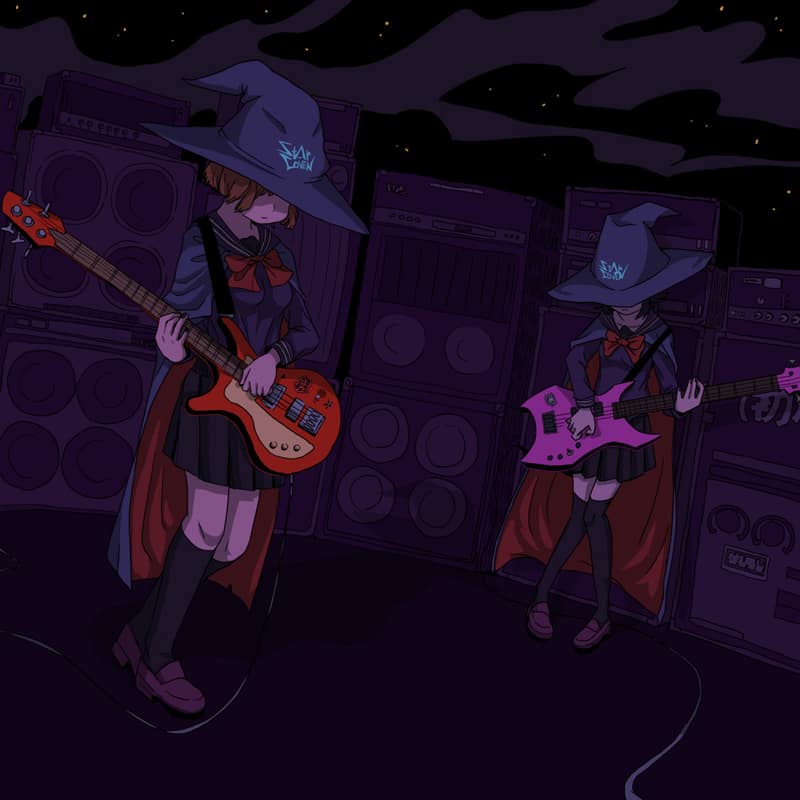
As metal legends recalibrate their approaches to performing and new death metal emerges from the underground, New York's position at the crossroads of metal's past and future becomes increasingly apparent. Recent developments from established titans alongside breakthrough releases from the extreme metal underground paint a picture of a scene that's both honoring its roots and pushing forward into uncharted territory.
Metallica's Strategic Intimacy and Regional Impact
Metallica's announcement of two "intimate" November 2026 shows at Connecticut's Mohegan Sun Arena represents more than just another tour stop—it signals a deliberate shift toward smaller venue experiences that could reshape how major acts approach the tri-state area. The proximity to New York's metropolitan region means these shows will draw heavily from the state's metal community, creating a concentrated gathering of the most dedicated fans from across the Northeast corridor.
The pairing with Suicidal Tendencies and Spiritbox creates an intriguing generational bridge, combining crossover thrash pioneers with modern metal innovators. This billing strategy reflects a broader trend among metal bands touring 2026, where established acts are increasingly willing to share stages with younger bands that represent metal's evolving sound. For New York's own crossover and thrash acts, these high-profile pairings demonstrate the continuing relevance of the styles that helped define the region's metal identity.
Death Metal's Underground Renaissance
While major tours grab headlines, the underground death metal scene continues its relentless evolution with releases like Clad In Shadows' debut LP "Monuments In Ruin." This melodic death metal offering arrives at a time when the genre is experiencing renewed creative vigor, moving beyond the retro-worship that dominated much of the past decade.
The melodic death metal approach showcased in "Monuments In Ruin" reflects broader trends in extreme metal composition, where technical proficiency meets emotional depth. This evolution resonates strongly within New York's death metal community, where bands like Monument have been exploring similar territory, blending technical prowess with groove-oriented approaches that make extreme music more accessible without sacrificing intensity.
New York's death metal practitioners have long understood that the best death metal bands aren't necessarily the most brutal—they're the ones that can balance extremity with musical sophistication. This philosophy aligns with current trends toward more nuanced approaches to extreme metal composition, where atmosphere and dynamics play increasingly important roles alongside traditional aggression.
The Rush Dilemma and Legacy Questions
Geddy Lee's frank discussion about touring under the Rush name without Neil Peart raises profound questions about how legendary acts navigate loss while honoring their musical legacy. His blunt response—"What the f*** should we call it, Iron Maiden?"—reveals the practical challenges facing any established act attempting to continue after losing a core member.
This situation resonates throughout metal's established hierarchy, where many 80s metal bands and their successors face similar crossroads. The decision to maintain a band name while acknowledging fundamental changes reflects the complex relationship between artistic identity and commercial reality that defines much of metal's current landscape.
Mental Health and Industry Evolution
The metal community's increasing openness about mental health challenges represents one of the most significant cultural shifts in the scene's recent history. From fundraising efforts reaching substantial amounts for mental health services to prominent musicians discussing their struggles with addiction and depression, metal is shedding its traditional stoicism in favor of genuine vulnerability.
This cultural evolution particularly impacts New York's metal scene, where the pressures of urban living combine with the financial challenges of maintaining musical careers in an expensive region. Local musicians are increasingly finding that discussions about mental health resonate with audiences who face similar struggles, creating deeper connections between performers and fans than traditional metal bravado ever achieved.
Helmet's Page Hamilton discussing his journey toward sobriety exemplifies this trend, demonstrating how established musicians are using their platforms to normalize conversations about personal challenges. For New York's metal community, these examples provide roadmaps for addressing the industry's long-standing issues with substance abuse and mental health neglect.
Venue Dynamics and Performance Philosophy
Dark Angel's decision to abandon traditional encores reflects broader questions about concert rituals and audience expectations. Ron Rinehart's perspective that encores force fans to "beg for another song" challenges long-established performance conventions that many consider essential to the live metal experience.
This philosophy shift could significantly impact how New York venues and local bands approach their performances. The region's diverse venue landscape—from intimate clubs to major amphitheaters—has traditionally embraced encore culture as part of the expected concert experience. However, as artists increasingly question these conventions, local scenes may need to adapt their expectations accordingly.
Technical Innovation and Genre Evolution
The current emphasis on technical proficiency without sacrificing emotional impact reflects metal's ongoing maturation as an art form. Projects like the proposed but ultimately unrealized Three Tremors collaboration between Geoff Tate, Bruce Dickinson, and Rob Halford demonstrate the continuing appeal of supergroup concepts, even when practical realities prevent their realization.
New York's metal scene benefits from this technical evolution, as the region's musicians have access to world-class educational institutions and recording facilities that enable sophisticated musical development. The combination of technical resources and creative diversity creates an environment where new metal bands 2026 can develop sounds that honor traditional metal values while incorporating contemporary innovations.
Looking Forward: New York's Metal Trajectory
As major acts experiment with intimate venue experiences and underground bands push creative boundaries, New York's metal scene stands positioned to benefit from both trends. The region's unique combination of major venue accessibility and thriving underground networks creates opportunities for musicians at every level of the metal hierarchy.
The New York metal scene continues evolving through this balance of established influence and underground innovation. Whether through supporting major tours that bring international attention to the region or fostering the development of extreme metal acts that push creative boundaries, New York maintains its position as a crucial hub in metal's ongoing development.
For those interested in experiencing this evolution firsthand, checking out upcoming shows provides opportunities to witness both established acts and emerging talents. The scene's continued growth also depends on new participants, making it essential for emerging bands to submit your band and contribute to New York's metal legacy.
As we move deeper into 2026, the convergence of legacy acts reevaluating their approaches and underground bands creating innovative extreme metal suggests that New York's metal scene will continue serving as both a guardian of metal's traditions and a laboratory for its future evolution.